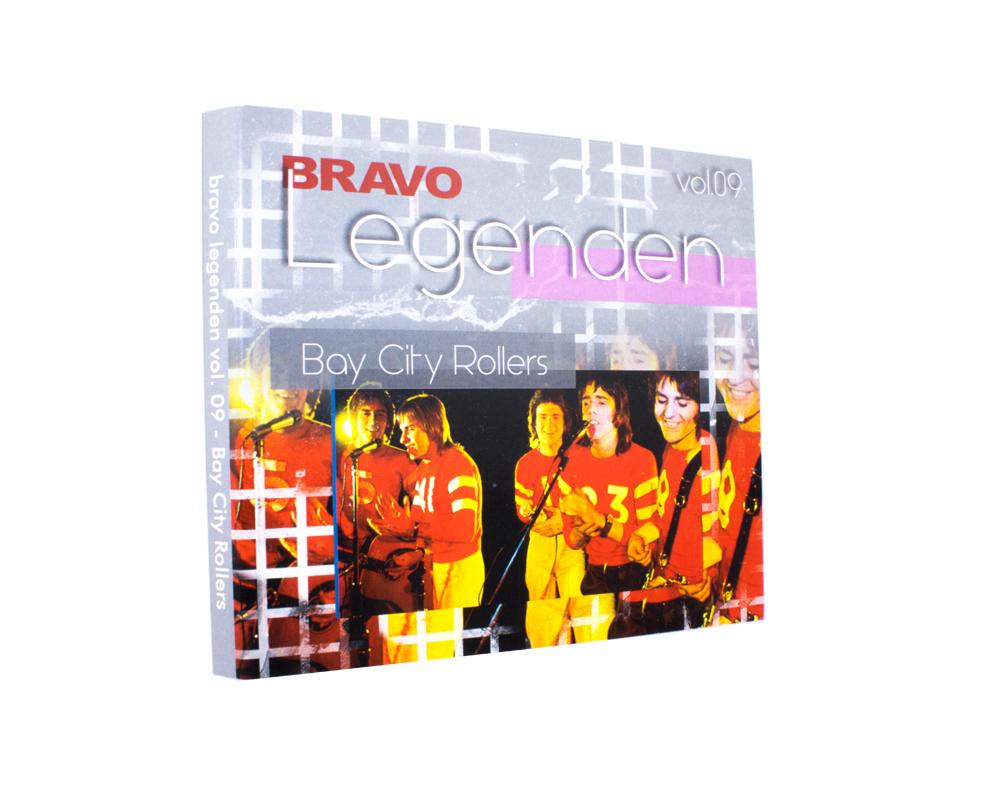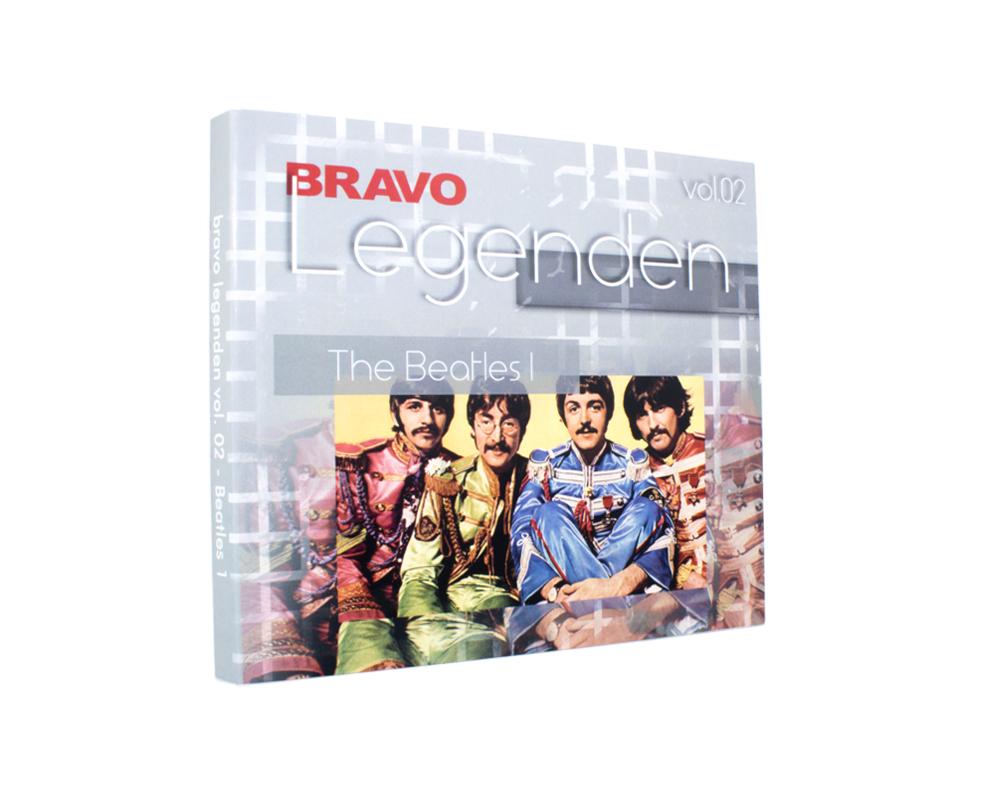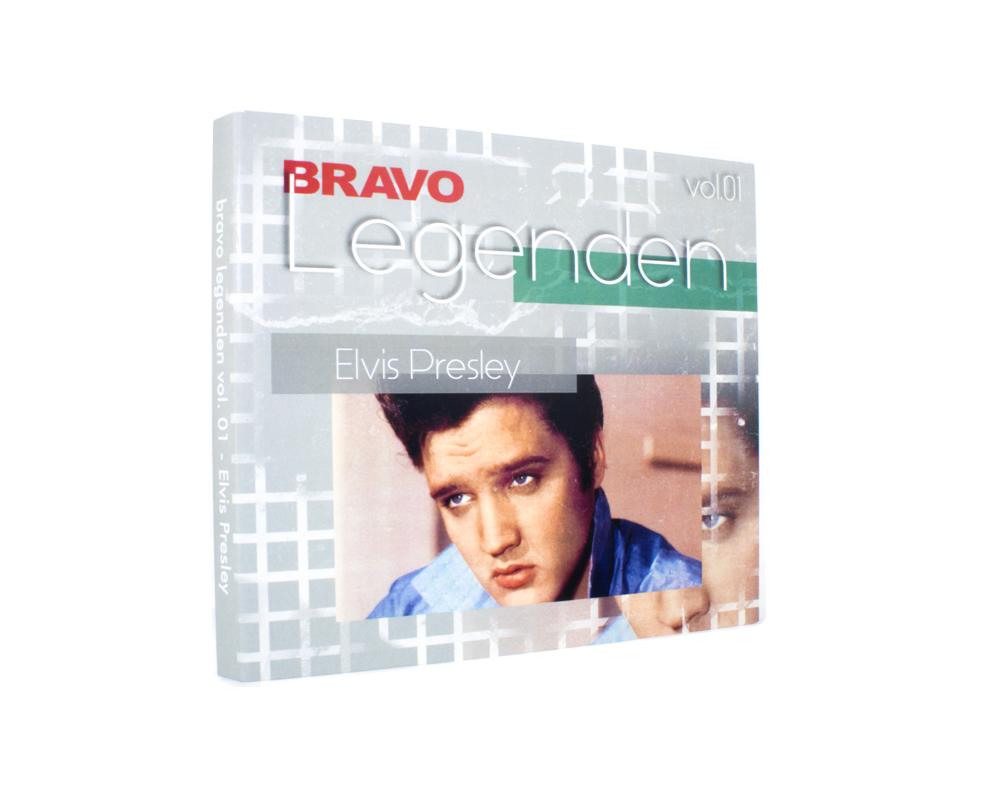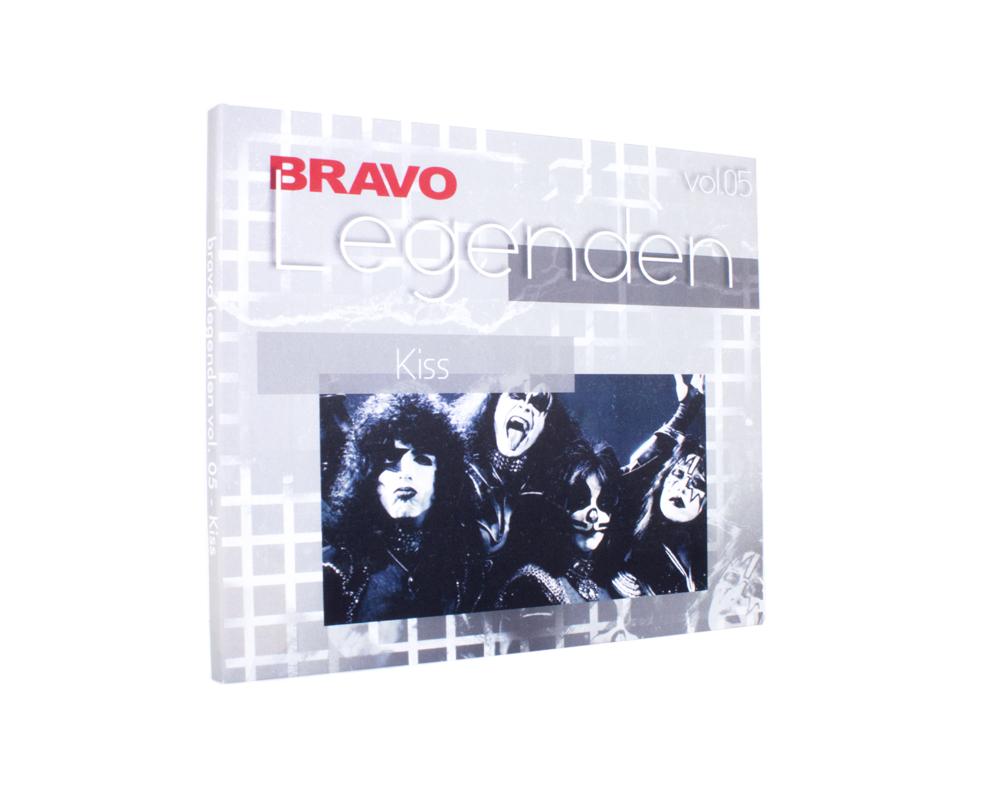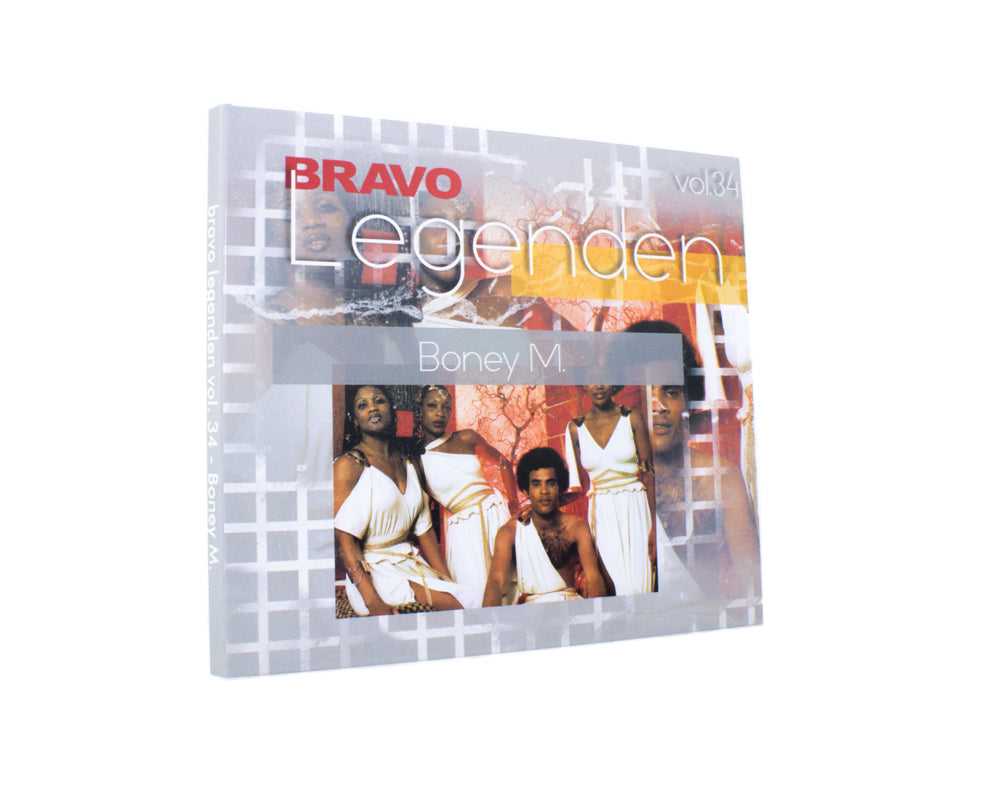
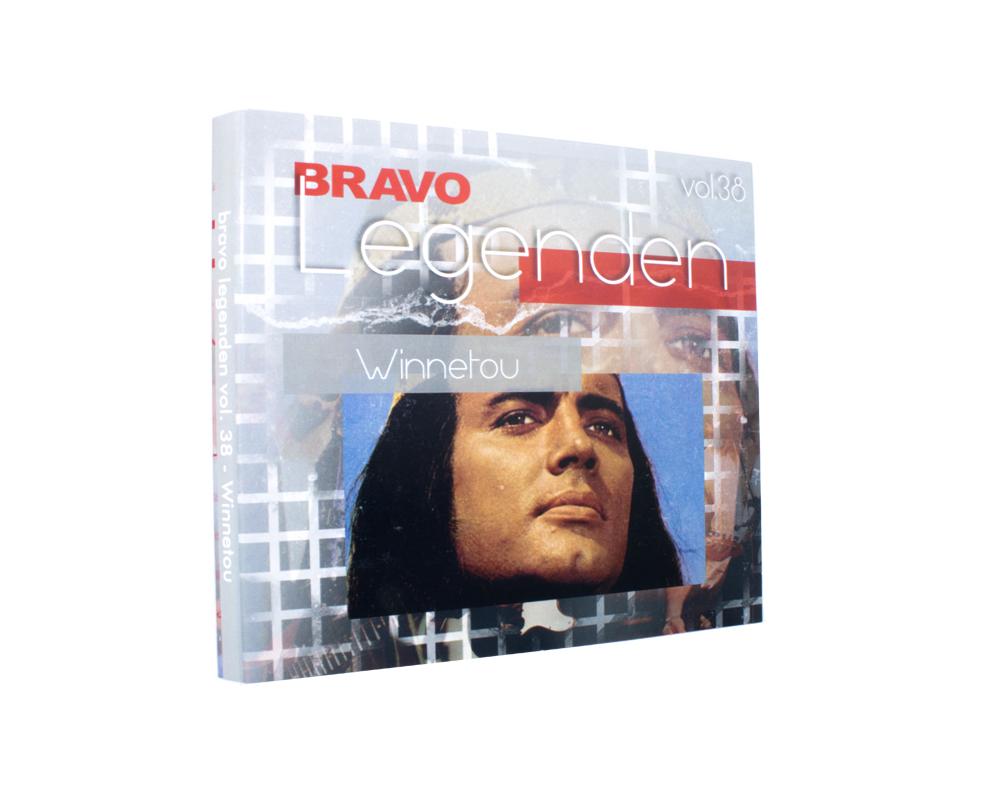
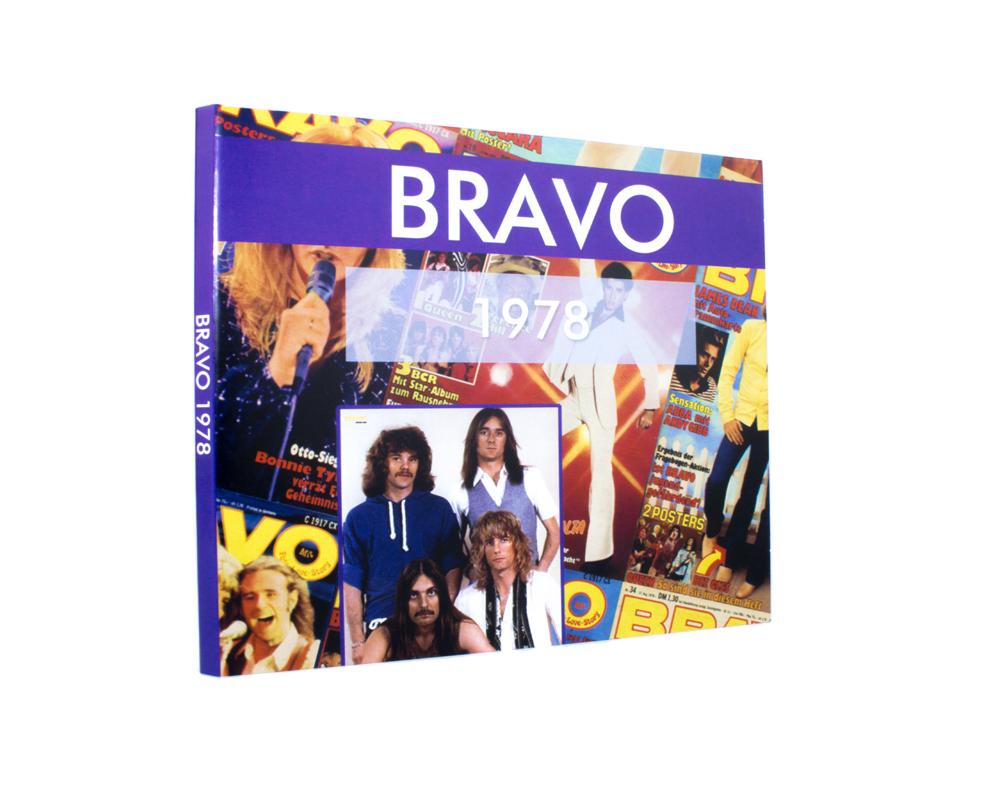
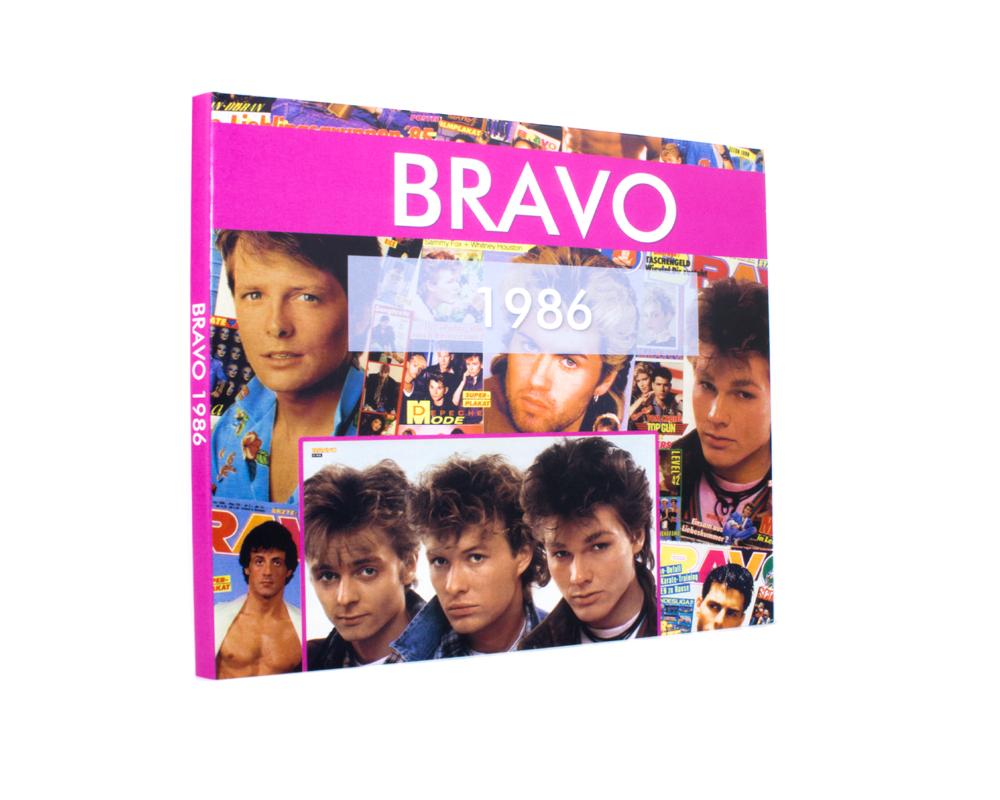
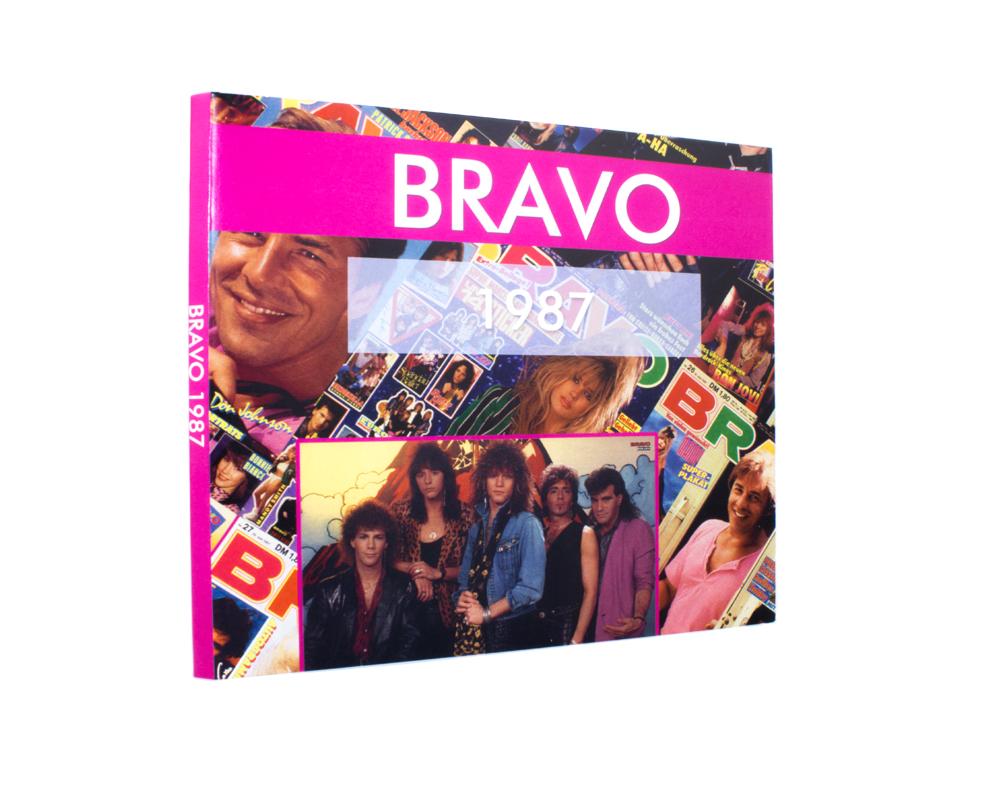
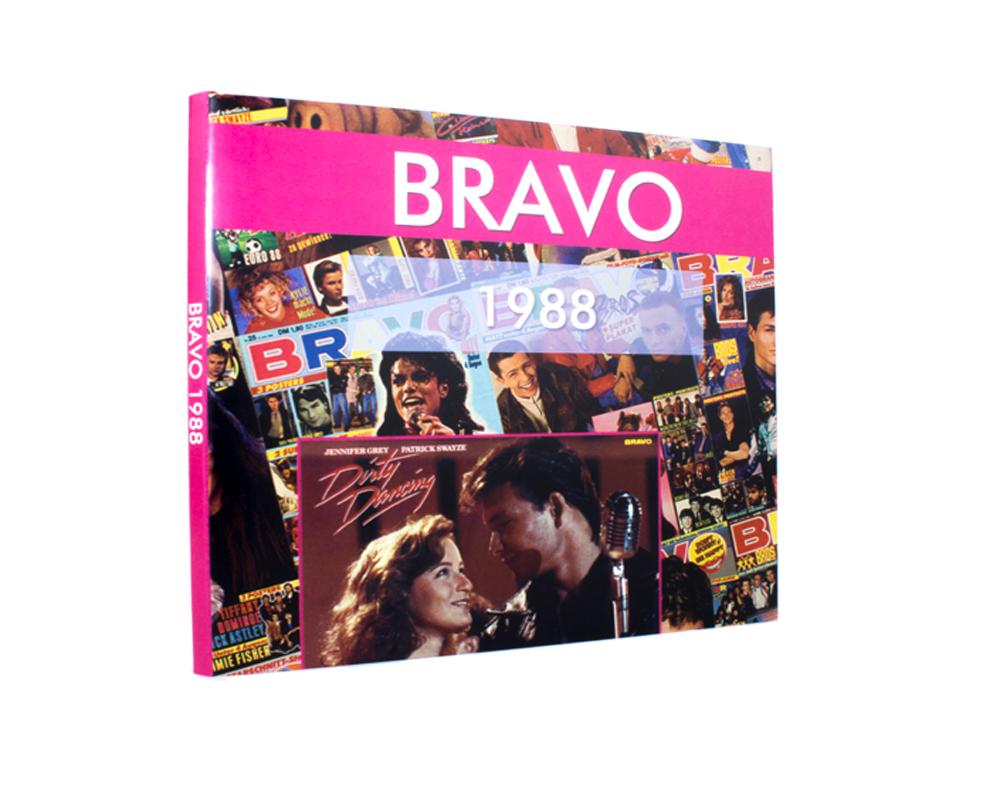
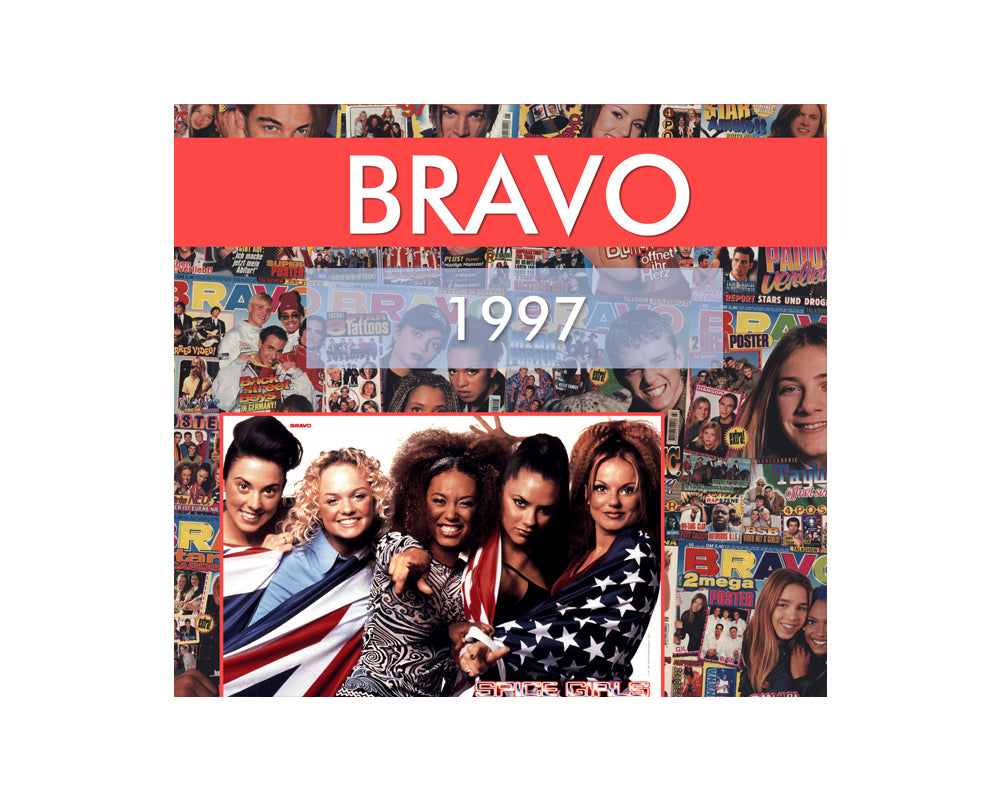
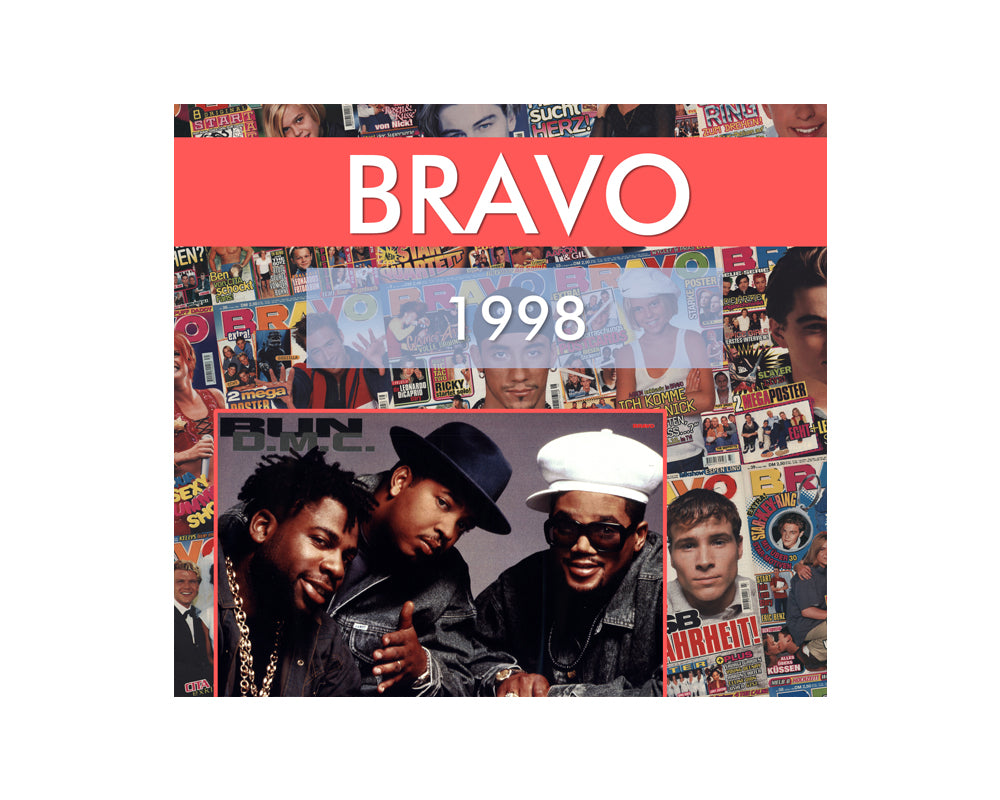
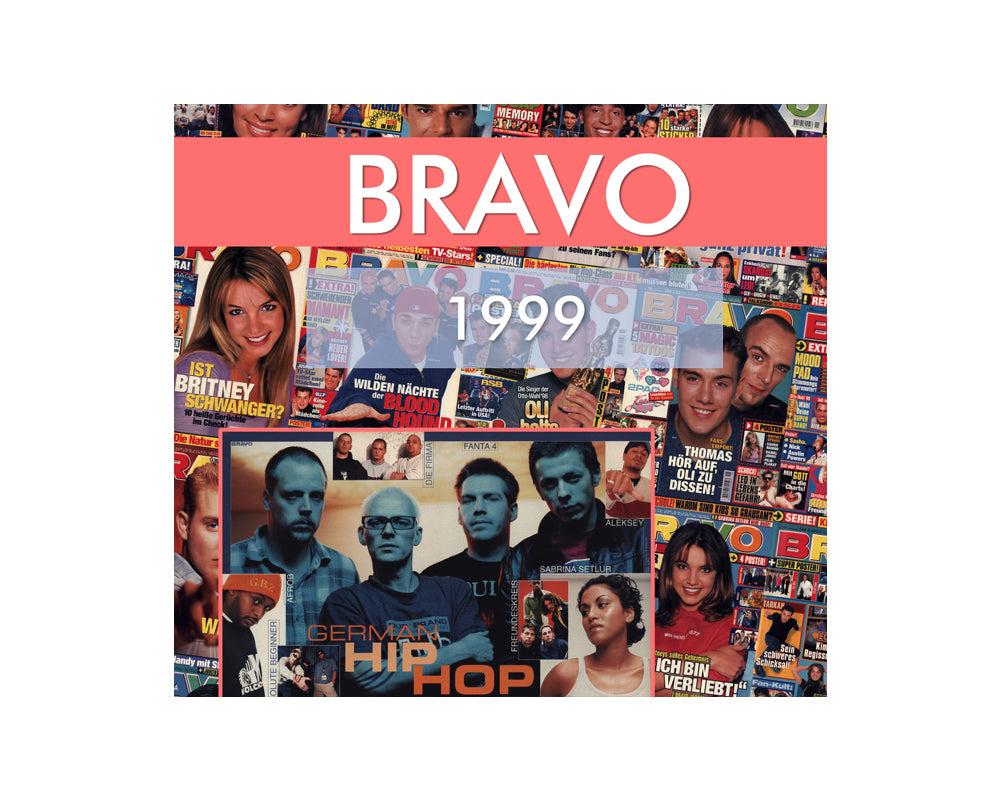
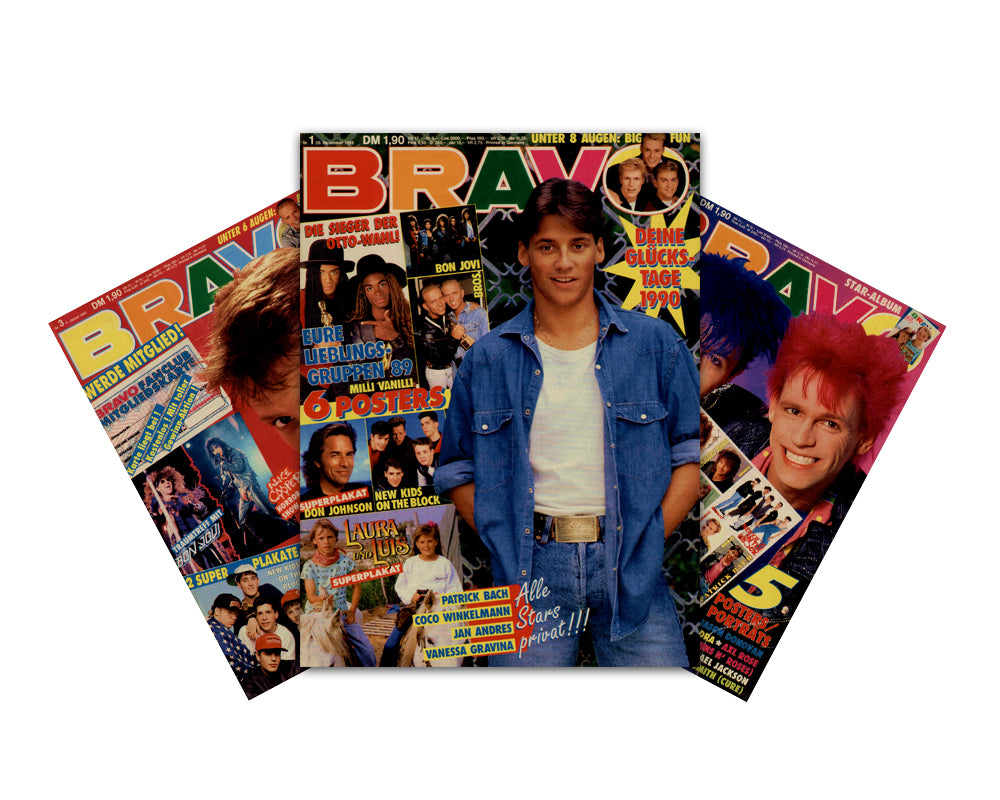
If you purchase 3 individual issues, you can take one additional issue free .


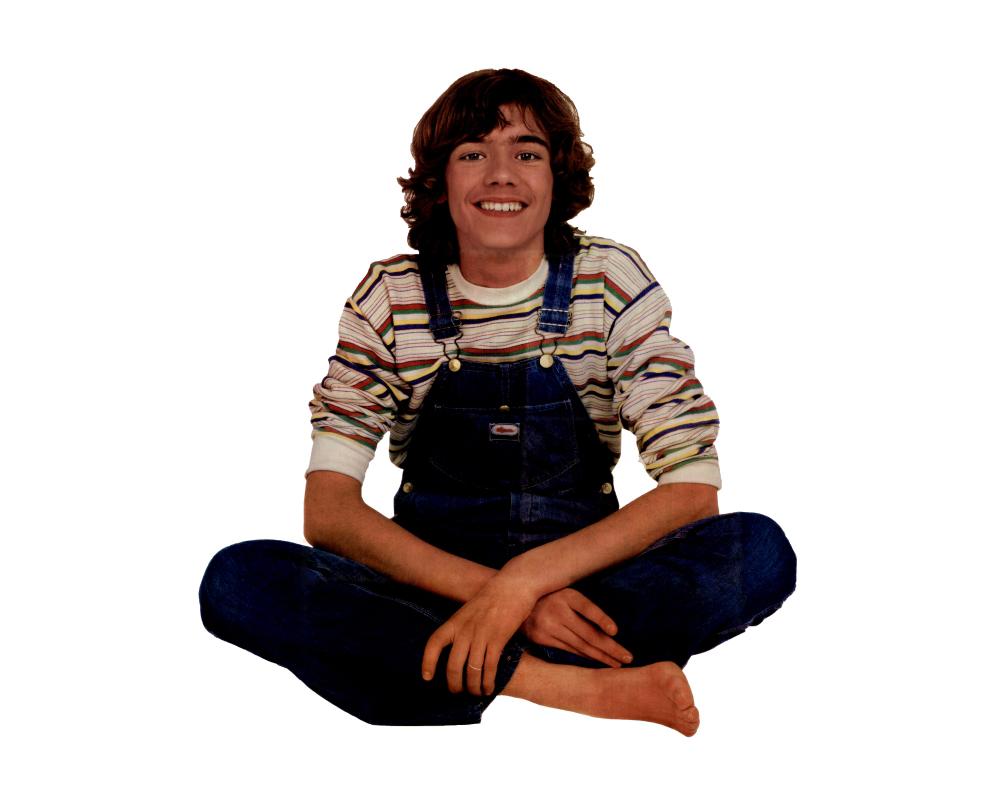
BAY CITY ROLLERS - Cult band of the 70s! Tartan, dreams, and tragedies!
Rollermania – a word that sounds like it was thought up by a pop editor from the BRAVO editorial offices while still carrying a trace of Beatlemania on his tongue. And perhaps that's exactly how it was. But what it described was more than just a PR term: It was the short-lived but explosive euphoria surrounding five young men from Edinburgh who, for a brief moment in the mid-1970s, were the biggest teen band in the Western Hemisphere .
The story begins in the late 1960s , when Alan and Derek Longmuir , two young brothers from Scotland, formed the band Ambassadors . Later renamed Saxons , it was a blindly thrown dart at a US map—which landed in Bay City, Michigan —that finally christened them: Bay City Rollers . Had they used a map of Germany, we might be talking about "Harzer Roller Mania" today.
The classic lineup was soon joined by Les McKeown , Stuart "Woody" Wood , and Eric Faulkner . They were young, charming, and dressed in tartan—a pop outfit made of checked tartans that made their Scottish heritage their trademark. Their fan base grew explosively: At their peak, the official fan clubs boasted over 150,000 members worldwide . BRAVO published 33 celebrity cutouts , countless posters , and the Rollers won OTTO Gold twice, in 1975 and 1976.
Musically, the Rollers oscillated between bubblegum, glam, and light rock – songs like "It's A Game" (No. 1 in the BRAVO Musicbox for eleven weeks), "Bye Bye Baby," and "Saturday Night" (Top 1 in the US) weren't musical revolutions, but they captured the spirit of a generation: sweet, rebellious, harmlessly rebellious.
But as so often in the pop business, success became poison.
Manager Tam Paton , a controversial figure who oscillated between control and cold-heartedness, lived by the "hire and fire" principle. Band members were swapped, swapped, and replaced. Rumors persisted that the Rollers didn't even play their own instruments at first—a truth with a half-truth: their debut album , "Rollin'," was recorded by studio musicians. They later impressively proved the opposite on the live CD "Rollerworld – Live at the Budokan" (2000) .
In 1976, they left Europe , landed a surprise hit in the US—but simultaneously lost their footing in the UK. The image transition to a serious rock project under the shortened name The Rollers failed miserably. The albums of their later period (1978–1981) largely failed.
The financial and legal reverberations of this pop storm have not faded to this day. 70 to 120 million records were sold – but the question of where the royalties went remains unanswered. The decades-long legal battle with Arista/BMG is a chapter in pop history that demonstrates how greedy the machine can be – and how little remains for the artists in the end.
Tam Paton died in 2009 , surrounded by luxury, his dogs inheriting millions. The band members continued to tour – sometimes together, sometimes against each other, with new singers, old hits, and nostalgia as their capital.
Les McKeown , the voice of the Rollers, remained a star, especially in Japan, and had a brief comeback moment with Dieter Bohlen in 1988. He died in London in 2021. Alan Longmuir died in 2018 from the effects of an infection. The glory of bygone days – today overshadowed by tragedy, strife, and melancholy.
And yet one thing remains: Rollermania was real. Short. Loud. And unforgettable.