


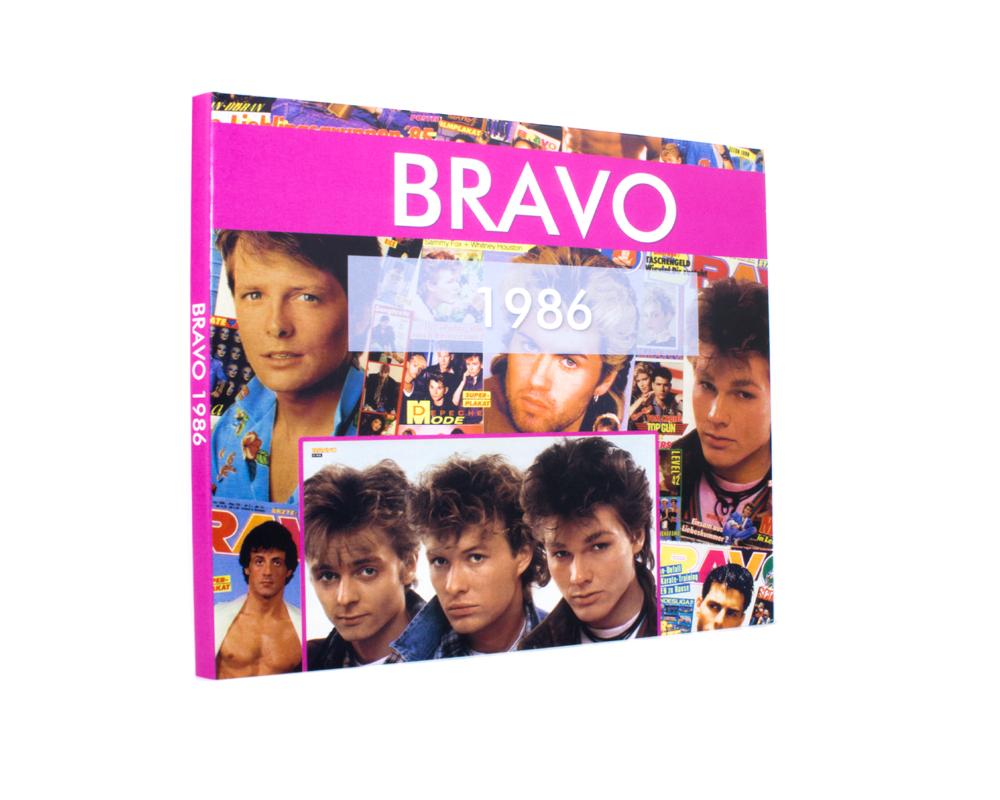
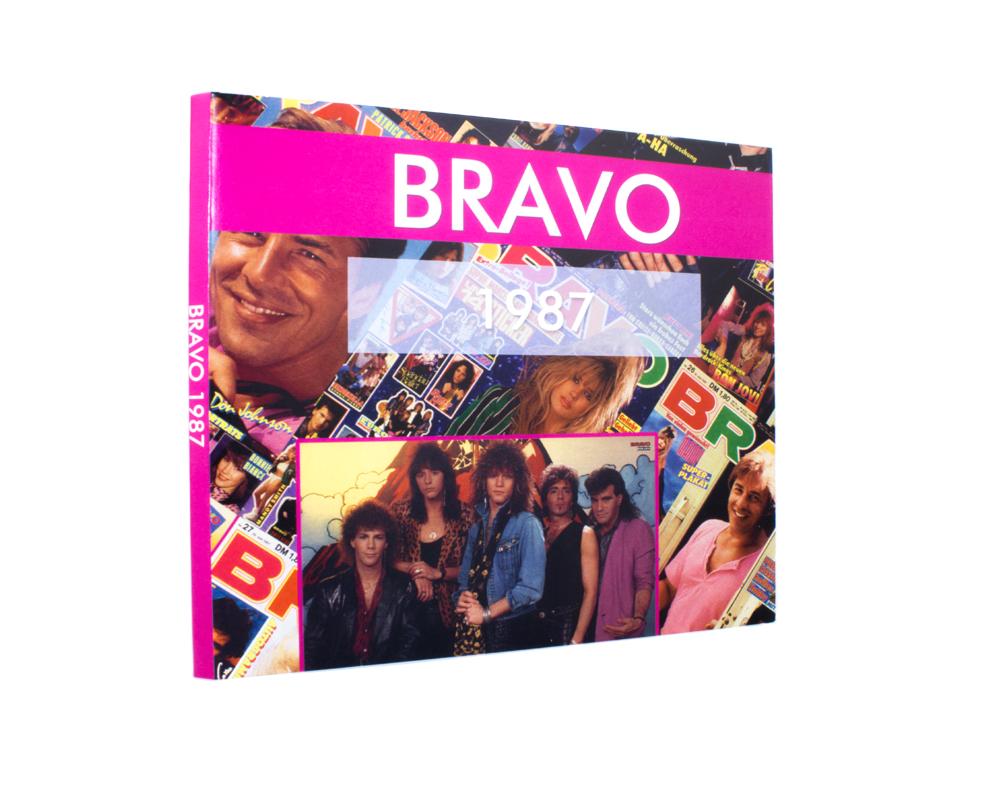
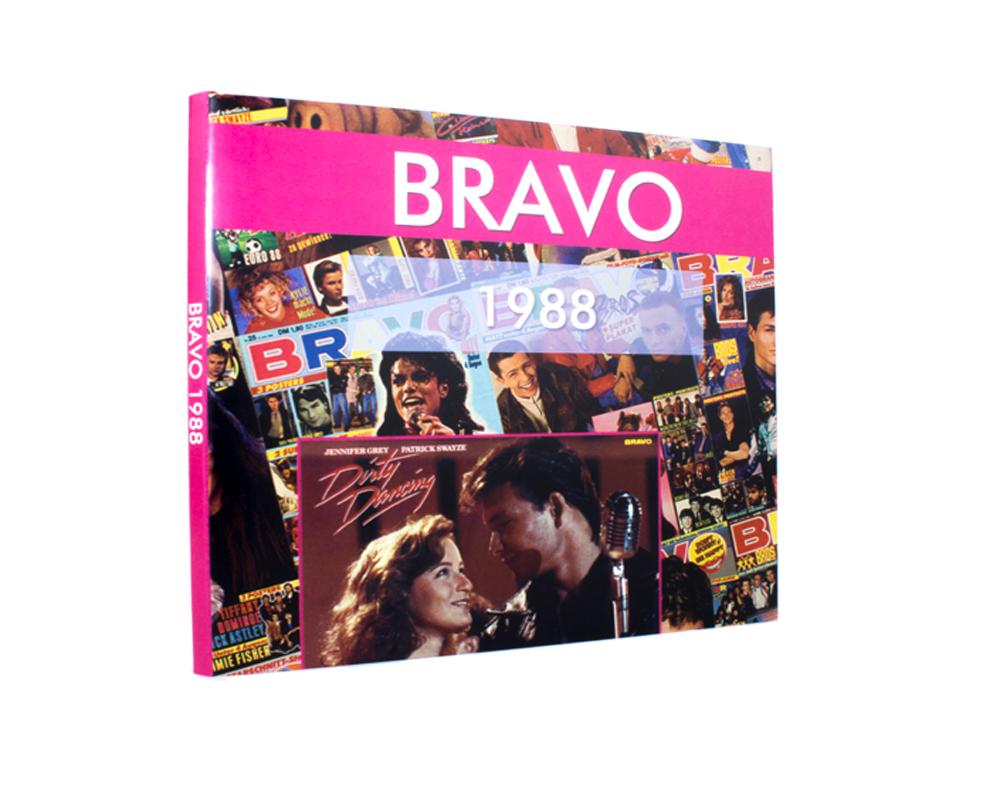
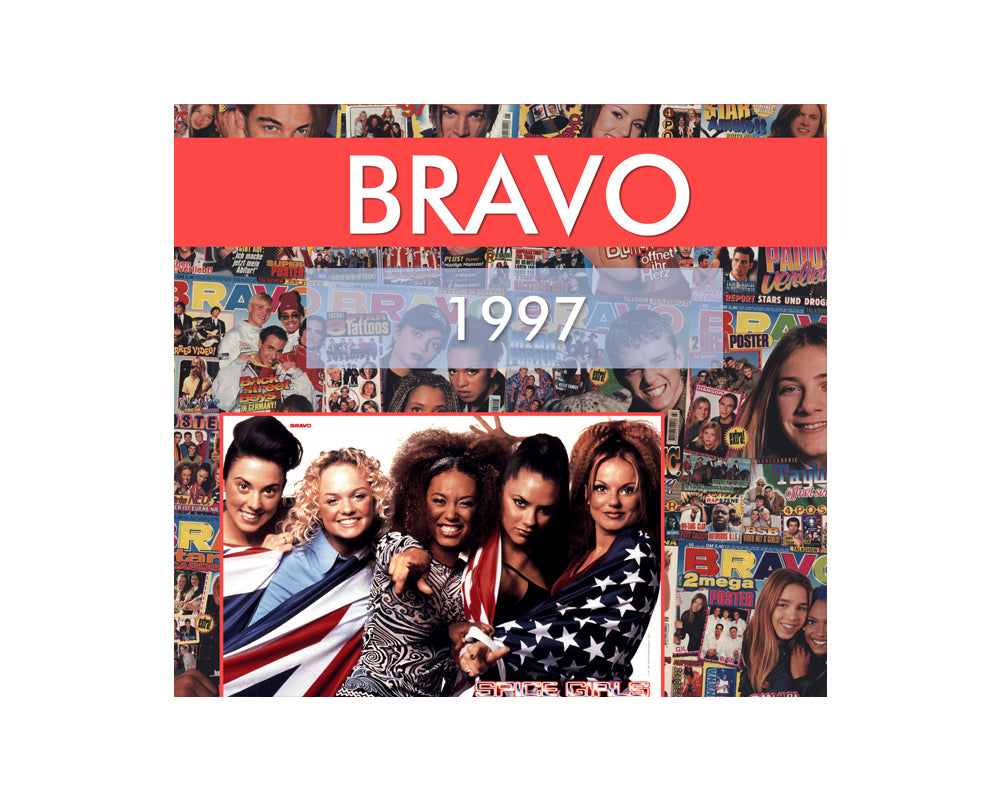
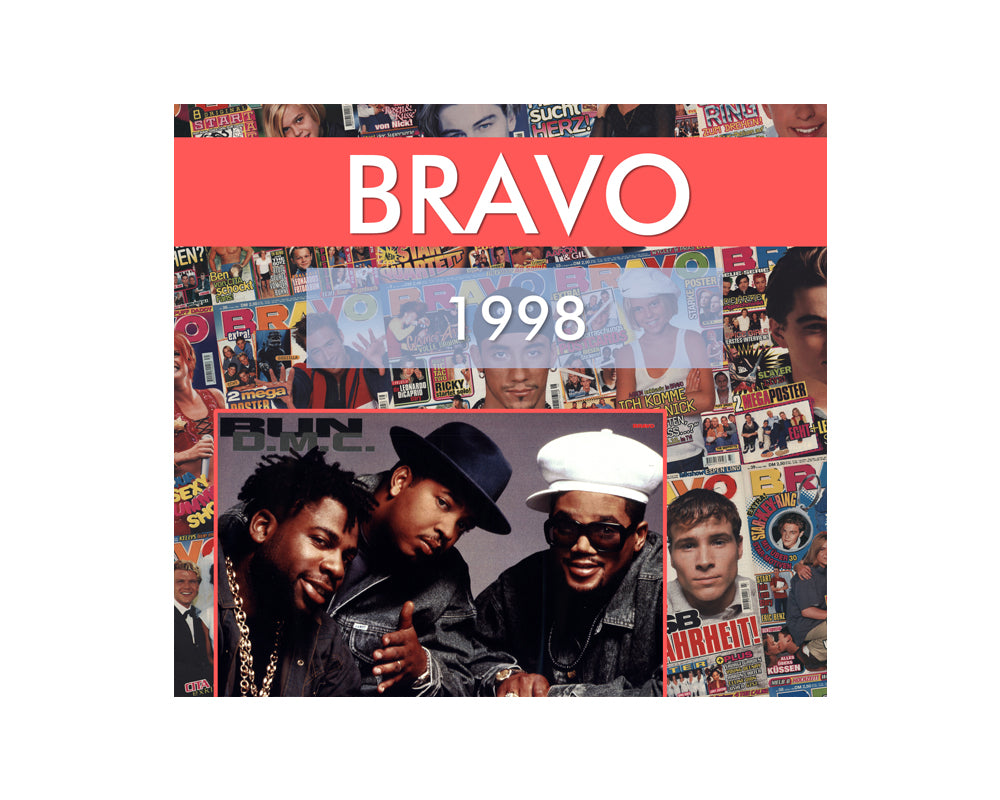
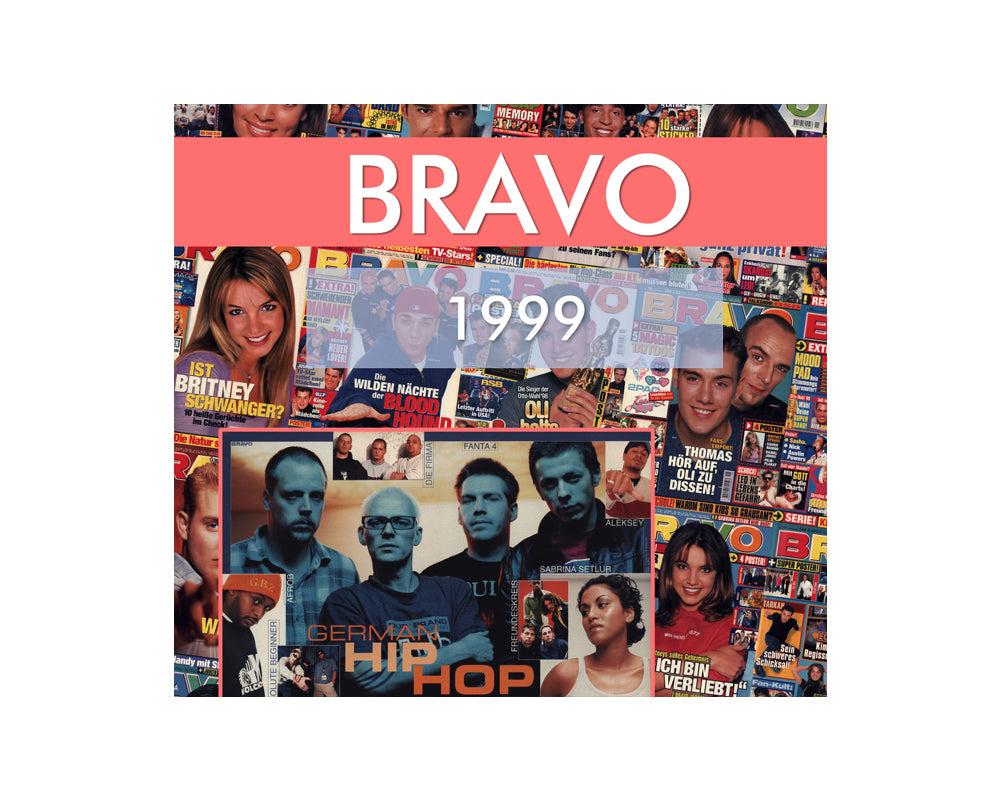
When you purchase 3 complete years you will automatically receive a 10% discount in your shopping cart


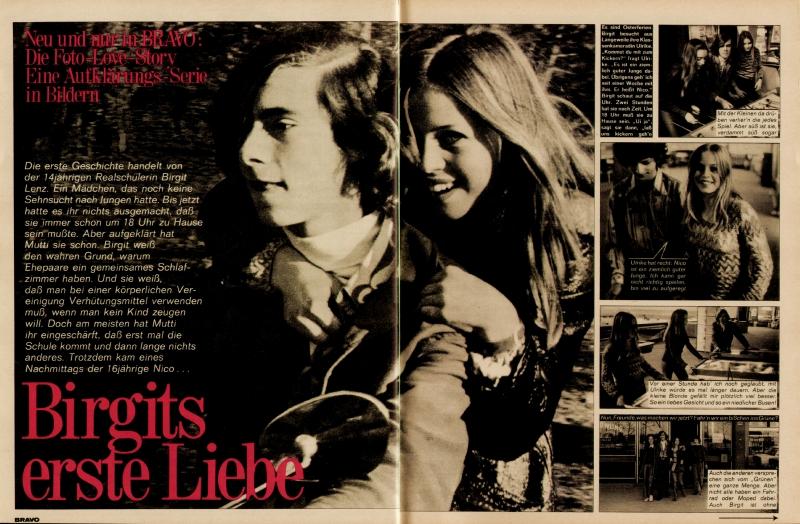
BRAVO not only covered pop culture, but also addressed important topics such as the environment, animal welfare, and drug education early on – often in a visionary and committed manner.

"I Don't Like Mondays" by the Boomtown Rats is based on a real mass shooting in 1979. Bob Geldof wrote the song in 20 minutes – a dark masterpiece.

The Lovin' Spoonful landed their biggest hit in the summer of 1966 with "Summer in the City" – an unusually rocking song of the Beat era, accompanied by everyday sounds like VW Beetle horns and jackhammers. The band was founded by John Sebastian and Zal Yanovsky after their first musical encounters among later Mamas & Papas members. Despite further US hits, "Summer in the City" remained their commercial peak. The song combines urban heat with danceable ease – and lives on as a summer classic to this day.

"Sebastian" by Steve Harley & Cockney Rebel is a lavishly orchestrated masterpiece from 1973, which Harley wrote while still a busker. The song was recorded with a full choir and orchestra and is still considered one of his most significant tracks. The live version from 1989, shown here, is particularly emotional, as Harley dedicated it to his late bassist Paul Jeffreys , a victim of the Lockerbie bombing.

Rex Gildo was one of the biggest pop stars of the 1960s and 1970s, with countless hits and films. But privately, he remained a tragic hero caught between appearance and reality.

Dream Academy's "Life In A Northern Town" – a hypnotic song about melancholy and memory, reinterpreted by Seattle a cappella masters The Coats.

Luis Aguilé's "Cuando salí de Cuba" has become the unofficial anthem of all Cuban exiles. The song speaks of homesickness, loss, and the eternal longing for return—an emotional masterpiece.

In the fall of 1965, "OK ist Okay" launched as a colorful revolution among youth magazines: Featuring exclusive Beatles interviews on vinyl records, colorful wallpaper posters, and lots of music, it was a short-lived pop heaven for teens and twenty-somethings. After 57 issues and a merger with "wir," "OK" was integrated into BRAVO in 1967—a brief, bright explosion in the history of German youth culture.

Brian Wilson's "Good Vibrations" is a milestone in pop history. Anthony Bouffard breathes new life into the classic with a clever a cappella version.

BRAVO has changed over the decades – yet it has remained true to its mission: to reflect youth culture. While stars, topics, and the media landscape evolve, BRAVO remains the link between young people and their world. Its content is more topical than ever – from social media to K-pop, from romantic dramas to sex education – always close to its target audience.

Smokie shaped the second half of the '70s with their guitar-driven soft rock. They made pop history with hits like "Living Next Door To Alice."

"Sloop John B" was already decades old when the Beach Boys turned it into a worldwide hit in 1966. Brian Wilson initially considered it too simple – but then it became one of the band's most famous songs. The song's history stretches back to 1917 and leads from the Caribbean to the pop charts. Today, it even lives on on YouTube – thanks to Fendertones, which faithfully recreates the song.

Scott McKenzie became the voice of the Summer of Love in 1967 with the global hit "San Francisco." The song, written by John Phillips, became the anthem of an entire generation. Despite its enormous success, McKenzie's fame quickly faded—but his song remains a timeless symbol of peace and freedom.

The Swiss music magazine pop was founded in 1965 to counter its dominant German counterpart, BRAVO. Despite similarities, pop developed into a cult magazine in its own right, highly collectible, and significantly shaped youth culture in Switzerland and Germany for over 15 years.