


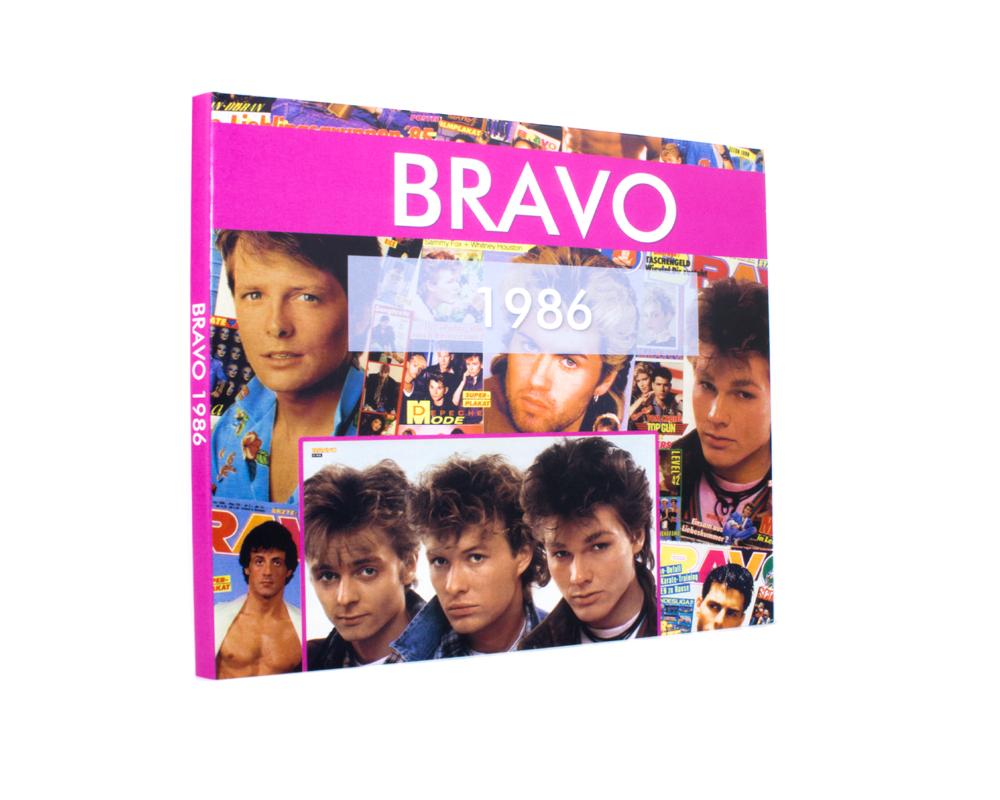
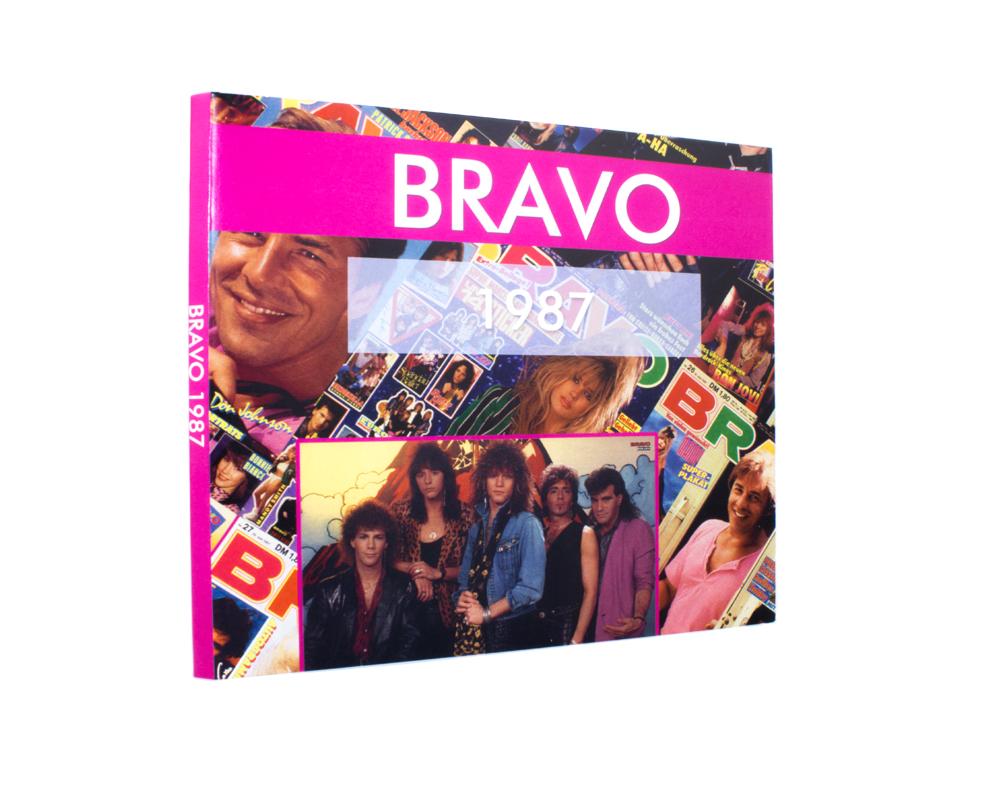
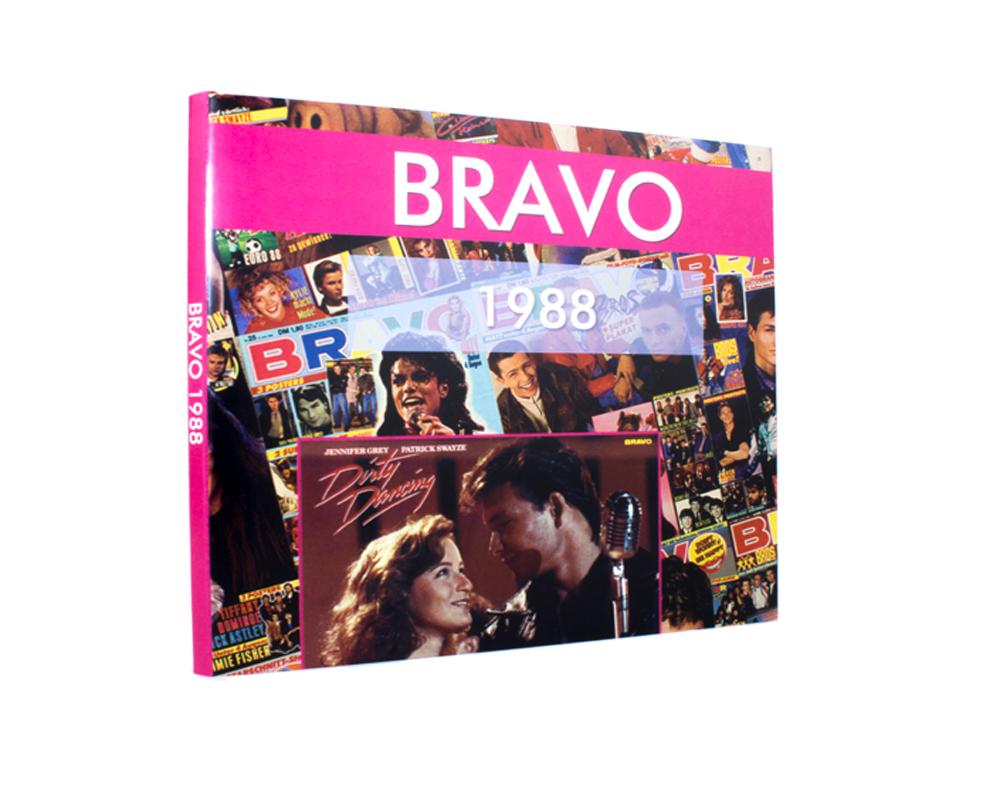
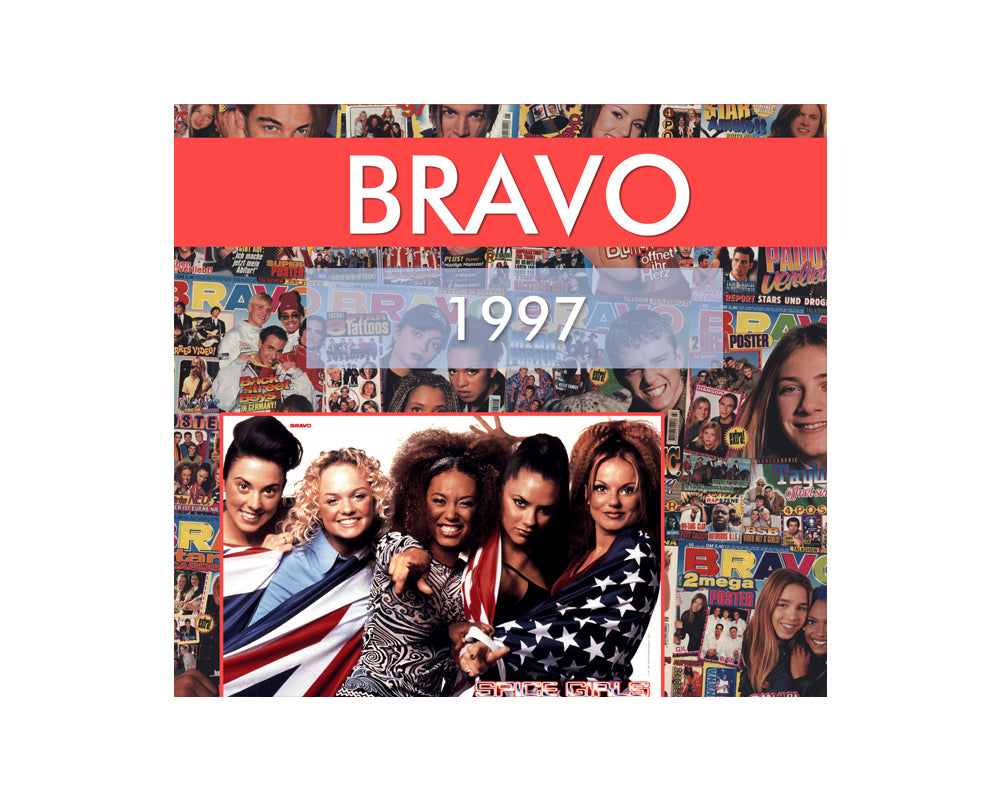
When you purchase 3 complete years you will automatically receive a 10% discount in your shopping cart


Suzi Quatro, born in Detroit in 1950, was the first successful female rock musician to break the male dominance of the scene in the 1970s. Musically influenced at an early age, she moved to London, where she took off with "Can The Can," landing several BRAVO chart hits. Her trademarks: a leather suit, bass guitar, and uncompromising rock sound. BRAVO honored her with a celebrity cutout and six OTTO awards. Even after her musical zenith, Suzi remained active – as an actress, author, and musician.

KajaGooGoo rocketed to teen stardom in 1983 with "Too Shy," received media overrepresentation, and then collapsed under their own hype. Frontman Limahl went solo, but he too disappeared after a brief period of success. An instructive example of the mechanics of the pop business.

In the 1970s, the Bay City Rollers from Edinburgh sparked a hysterical fan movement – Rollermania – with their tartan look and simple, catchy hits. With songs like "It's a Game" and "Saturday Night," they became teen idols before management problems, legal disputes, and a shaky reputation led to their decline. Their story is both a pop fairytale and a pop warning.

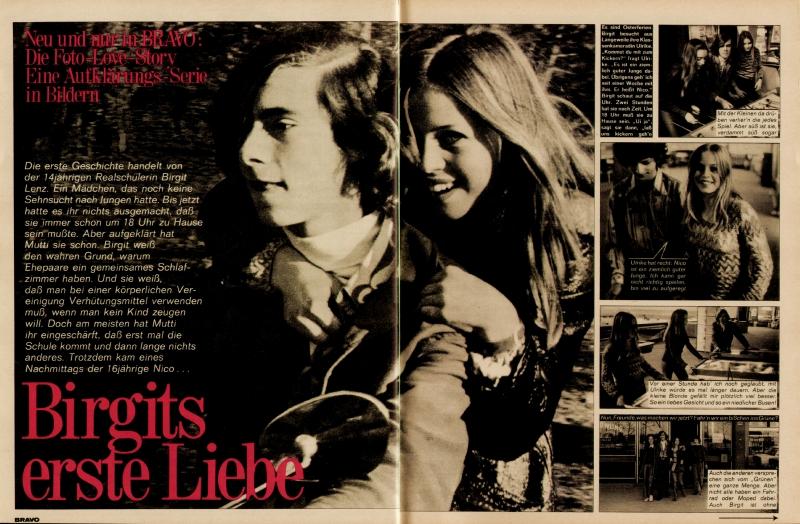
Dr. Sommer , alias Dr. med. Martin Goldstein , became a symbol of sexual education in the youth magazine BRAVO in 1969. In the "What Moves You" section, he answered thousands of readers' letters about love, sexuality, and youthful concerns until 1984 – bluntly, empathetically, and without taboos. Supported by earlier contributions from the author Marie Louise Fischer , he established a completely new understanding of sex education in the German-speaking world. Even after his retirement, his legacy was preserved by the Dr. Sommer team – an integral part of BRAVO to this day.

The youth and music magazine "Musik Parade" was first published in July 1962 as a German offshoot of the successful Dutch "Music Parade ." Its editor was Guus Jansen Jr., who was also a well-known radio host. The magazine developed rapidly, soon switching from a bimonthly to a fortnightly publication, and offered its readers charts, song lyrics, and posters. Despite growing popularity, "Musik Parade" was discontinued in 1967 after 89 issues and integrated into BRAVO. Its focus was on current popular music, with TV, film, and sports stars playing a supporting role.

Marion Maerz (born Marion Litterscheid in 1943) was considered a great hope of the German Schlager and Beat music market in the 1960s. With her powerful voice, songs by greats like Peter Maffay, Drafi Deutscher, and Michael Holm, as well as television appearances, she was ideally positioned for a major career. Her hit "Er ist wieder da" (Er ist wieder da) was a success in 1965, reaching number 5 in the BRAVO charts and selling over 100,000 copies. Despite further releases, her big breakthrough eluded her – an early pop phenomenon with untapped potential that remains a mystery to this day.

Status Quo launched their career in 1968 with the psychedelic hit "Pictures Of Matchstick Men" , a worldwide success with a catchy tune and shimmering flanging sound. But instead of sticking with that style, the band soon turned to hard rock and boogie style - with classics like "Rockin' All Over the World" and "In The Army Now" . Despite ridicule for their simple sound ("three chords"), Francis Rossi and Rick Parfitt always displayed humor and self-irony. They were regular guests in BRAVO and Musicbox - even if never quite at the top. With Parfitt's death in 2016, an era ended, but not the band's legacy.

The BRAVO Musicbox , later known as the Readers' Hit Parade , was first published in 1956 with Freddy Quinn at the helm. Initially compiled editorially, it evolved over the decades into a sometimes double-page overview of the hottest songs, determined by reader votes. With up to 50 positions, it reflected pop culture over 58 years. A total of 6,642 songs made it onto the list, 657 of which reached number one. The record holder was "If You Go Away" by New Kids On The Block, which remained on the chart for 109 weeks . The chart was discontinued in 2013.

The New Kids On The Block revolutionized the pop world in the late 1980s as the first true boy band. With their successful album Hangin' Tough and hits like "Please Don't Go, Girl," the five friends from Boston enjoyed enormous success – even in Germany, where BRAVO featured them on the cover almost continuously throughout 1990. Despite a decline in success in the 1990s and their breakup in 1994, they reunited in 2008. Since then, NKOTB have toured regularly again, demonstrating that their fan base has never completely disappeared.

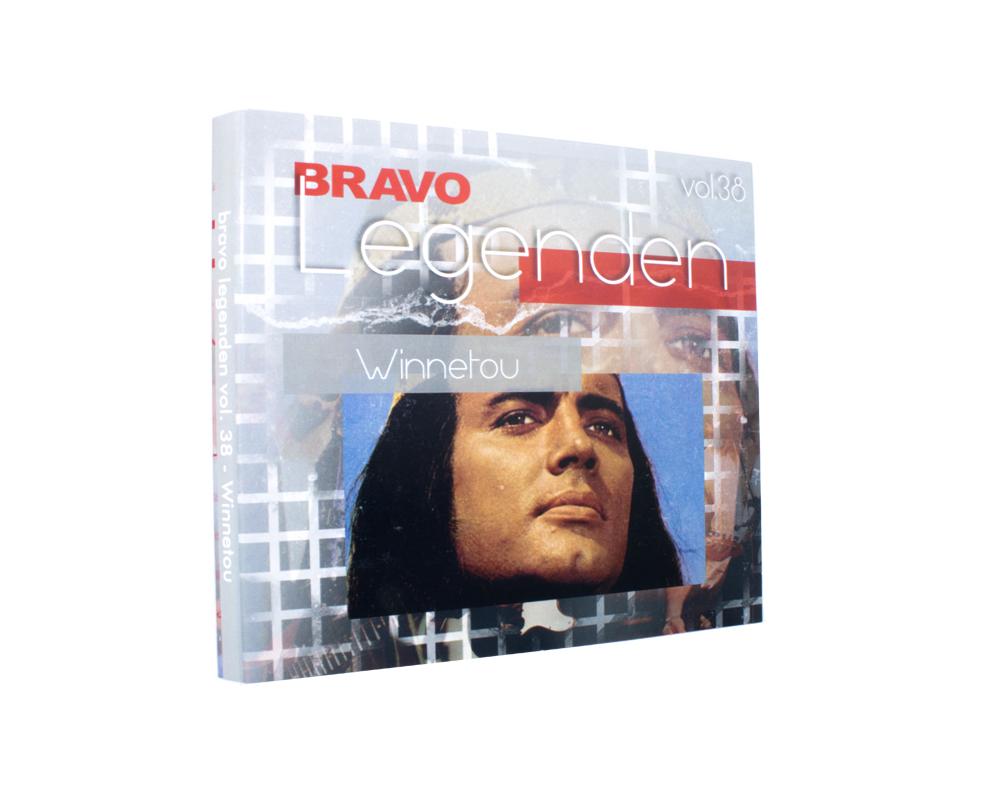
The Winnetou films left their mark not only in cinemas but also in the youth magazine BRAVO : The stars of the cult series – most notably Pierre Brice as Winnetou – were featured in five celebrity cutouts . From 1964 to 1977, Winnetou, Old Shatterhand (Lex Barker), and Nscho-tschi (Marie Versini) graced the walls of German teenagers' bedrooms, carefully assembled from dozens of BRAVO pages. The cutouts reflected not only the film heroes, but also the color aesthetics and attention to detail of the respective era – including silver rifles, Bowie knives, and fringed Apache clothing.

The very first BRAVO was published on August 26, 1956, under the title "The Magazine for Film and Television." Peter Boenisch served as editor-in-chief and originator. The magazine consisted of 40 pages, cost 50 pfennigs, and featured Marilyn Monroe and Karl-Heinz Böhm, among others. The focus was on film, television (only on ARD!), love stories, and series. The transformation into a music magazine only occurred with the Beat Boom of the 1960s. A faithful reprint, which is often mistaken for the original, was published in 1996.

The very first BRAVO star cutout was dedicated to Brigitte Bardot and appeared in 1959 in eleven installments starting with issue 13. Readers could cut out and paste together the life-size (156 cm) portrait of the French acting and singing icon from head to toe. The star cutout was accompanied by a multi-part biography series titled "BB – Bombshell Bardot." Due to its huge success, the format became a staple of BRAVO and was continued that same year with star cutouts of Peter Kraus, Conny Froboess, and Elvis Presley.

This article explores social, cultural, and economic life in Germany in the 1950s. After World War II, the country struggled with the consequences of its destruction while simultaneously embarking on a new era: the economic miracle, housing construction, and the burgeoning desire to travel characterized the decade. BRAVO magazine, first published in 1956, reflected this era and was aimed primarily at young people. Topics such as mobility, rock 'n' roll, film, television, and idols such as Elvis Presley and Horst Buchholz were at the center. Heimatfilm (homeland film) was booming, light entertainment dominated, but political and social upheavals were also on the horizon.