When you purchase 3 complete years you will automatically receive a 10% discount in your shopping cart


Marion Maerz –
Schlager star with potential that never fully materialized
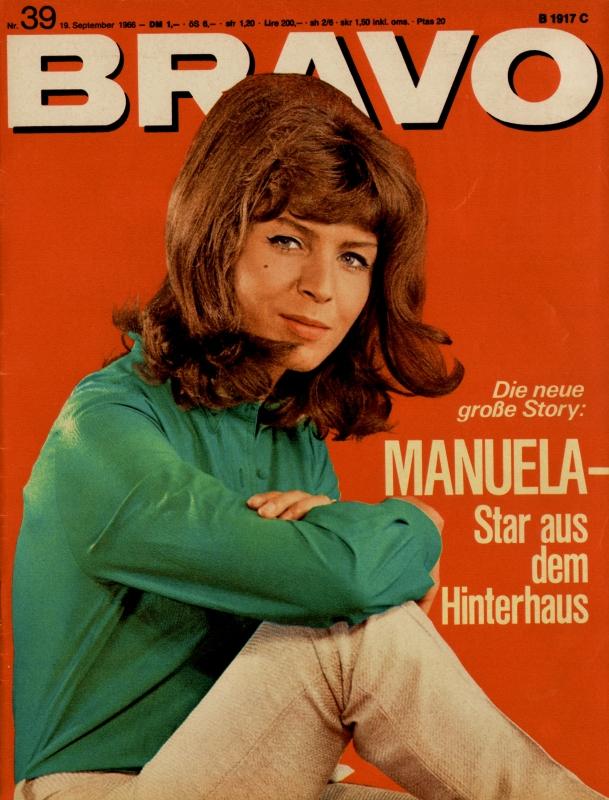
She could have become just as big a star as Manuela on the German beat and pop music market of the 1960s. She had the voice and the musical talent. It was in her blood. After all, her great-grandfather was an opera composer. It couldn't have been due to her choice of songs. Renowned musicians such as Peter Maffay, Drafi Deutscher, and Michael Holm wrote hits specifically for her. Marion also had no shortage of television appearances. She was a frequent and welcome guest not only on the ZDF Hit Parade but also on other entertainment shows on ARD and ZDF . Connections? In the mid-1970s, Marion had a brief relationship with Frank Elstner . This relationship produced a daughter, Masha.
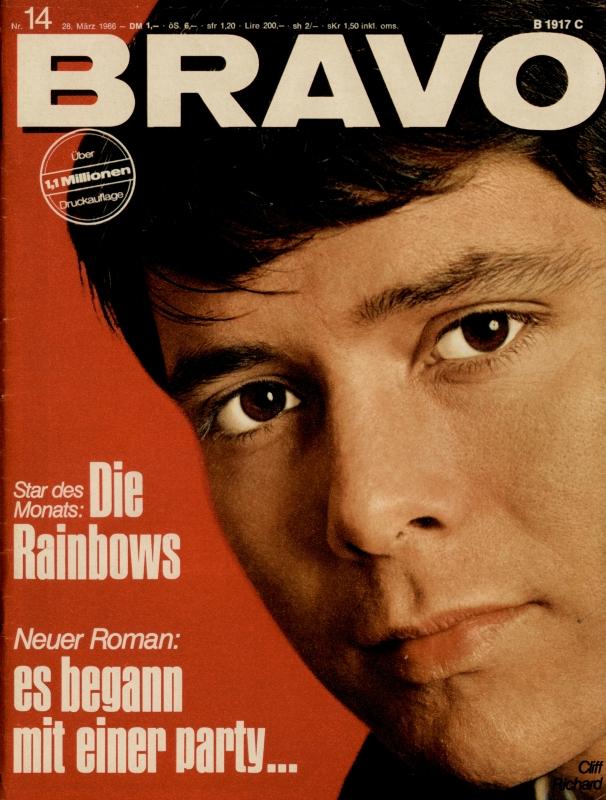
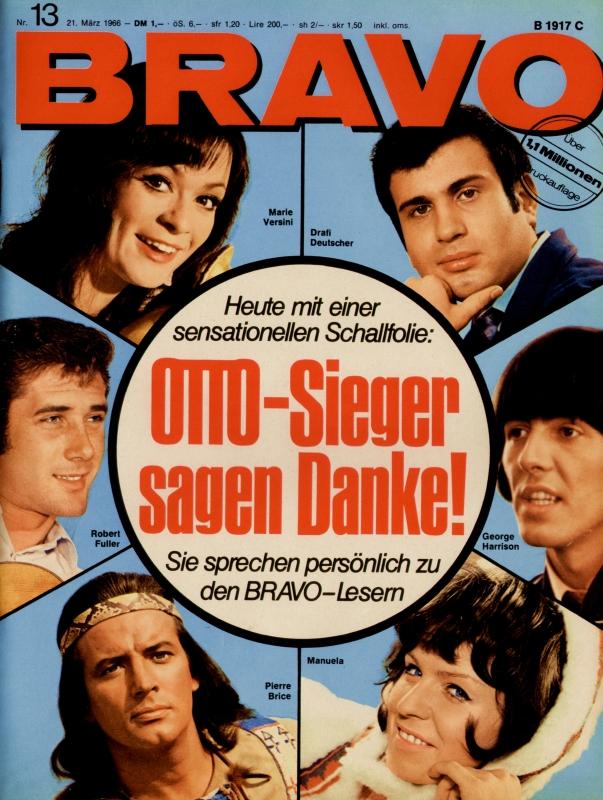
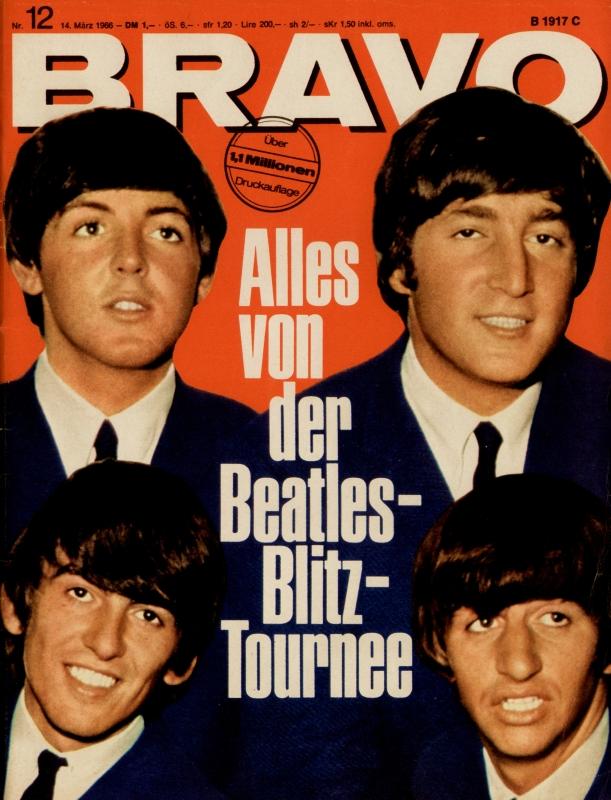
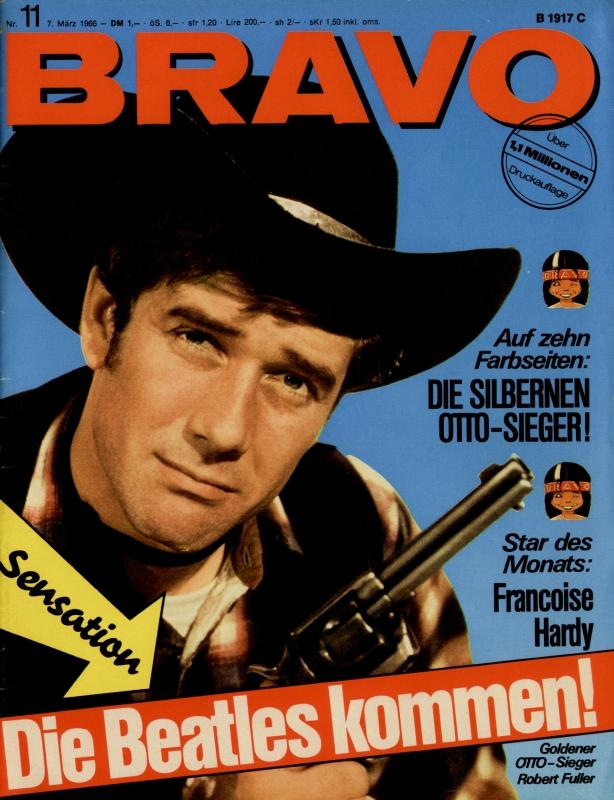
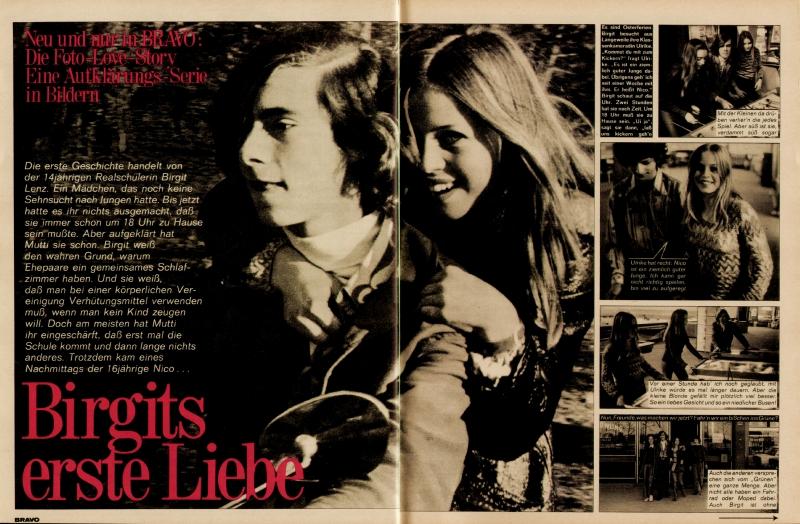
Why, despite the best of opportunities, Marion never achieved a major, lasting career will forever remain a mystery. Born as Marion Litterscheid in August 1943 in Flensburg on the border with Denmark, she trained as a secretary after graduating from high school and secretly took singing lessons on the side. Secretly because her father, Litterscheid, considered singing a dead-end job: "Any bird can sing, and what does a bird earn?" ( BRAVO 1966 issue 12 )
She made her first major appearance at the 1964 Hanover Trade Fair. She worked at a tape recorder company's booth in Hall 11 every day from 9 a.m. to 6 p.m. Her task was to sing a popular song every 15 minutes while shaking the advertised tape recorder. This was intended to demonstrate that the machine worked without loss of sound even when shaken. The fee she received was gigantic by the standards of the time: 100 DM per day!
At the end of 1964, Marion participated in a Pepsi-Cola young talent competition and, after 76 nights competing against 800 other competitors, placed second. Her reward: a 12-day trip to America and a recording contract with Polydor . She was allowed to release two singles; the first ( " Love at First Sight " ) was written by a certain Joe Menke , father of the later NDW singer Fräulein Menke . The second single was the German version of the Twinkle hit "Terry" (number four in the UK).
Both singles flopped, Polydor ended their collaboration, Marion switched to Hansa , and producer Peter Meisel gave her the song "Er ist wieder da" (Er ist wieder da), written by Christian Bruhn and Günter Loose. Manuela was originally supposed to sing the song. Why that didn't happen is unknown. The song comes at just the right time. More beat than pop, with a catchy bass line that underscores the individual verses, the song fits perfectly into the hype that beat music had triggered and that had become ingrained in the ears of enthusiastic young people.
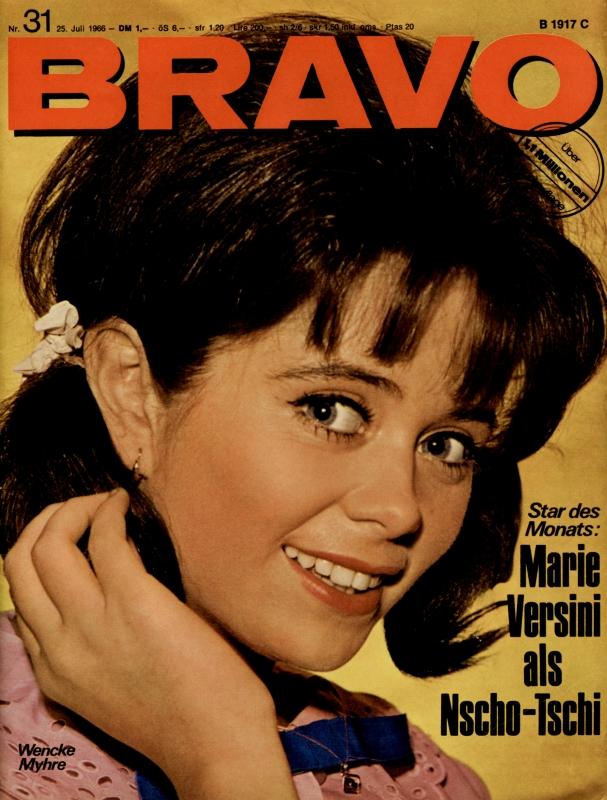
Marion's hit (released on December 13, 1965) was featured in BRAVO magazine for 18 weeks, peaking at number five. Together with her next Musicbox entry, "Ich hab' einen guten Freund gewesen," which reached number twelve, Marion still ranks 18th in the rankings of the year's most successful singers. In the vote for the most popular female singers of the year, Marion received the Bronze OTTO Award from BRAVO readers for third place, behind Wencke Myhre and Manuela.
But then Marion 's career, which had begun so brilliantly, was almost over. Although she continued to release songs as Marion Maerz over the years—solo and in various duets—she was unable to repeat the success of "Er ist wieder da" (He's Back Again), which sold over 100,000 copies.