


When you purchase 3 complete years you will automatically receive a 10% discount in your shopping cart


Drafi Deutscher –
Genius with a silhouette: The singer who became unpleasant to BRAVO
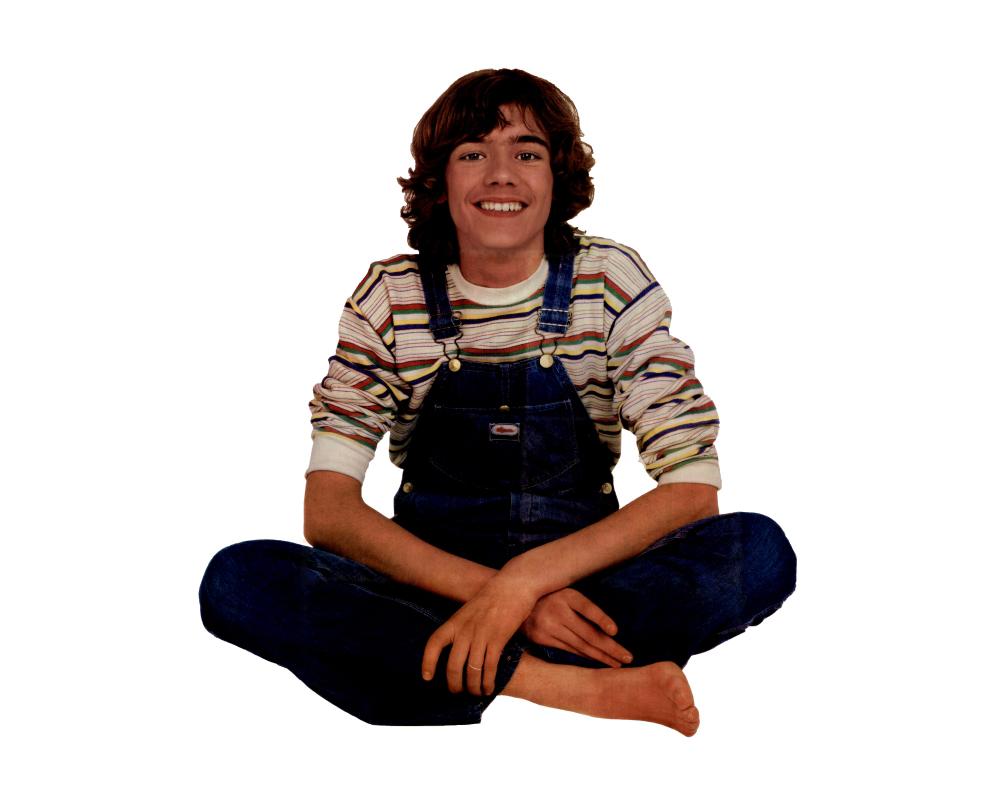
Was he still part of the BRAVO family—or had he been cast out? In the late summer of 1966, Germany's largest youth magazine publicly asked this question. Readers had a say. At the center of it: Drafi Deutscher , the boy from Berlin-Charlottenburg with the distinctive rolling "R," who had become the figurehead of German Beat music in just two and a half years.
What had happened?
Drafi himself provides the answer, with remarkable candor—as so often in his life. In issue 32/1966, he recalls:
"I had an apartment in the Hansaviertel with a deep ground-floor window. Teenagers knew I lived there. They often hid in the bushes in front of the window. Maybe they saw me in the nude once."
The accusation: causing a public nuisance – allegedly in front of children. The police were involved. And BRAVO – otherwise a chronic cheerleader – brought the issue into focus. In issue 34, it called on readers to make a decision. The result? Two-thirds voted for Drafi . But it was no use: The editorial team withdrew. From then on, Drafi Deutscher was left out of BRAVO . The Golden OTTO Award, which he had received a few months earlier, remained his only award from the youth icon.
An unprecedented crash. But one that only marked the end of the first chapter.
The rise was breathtaking: In January 1964, "Teeny" was released, and with it, an exceptional talent entered the German stage. Eight hits followed in quick succession, including the eternal evergreen "Marmor, Stein und Eisen bricht" (Marble, Stone and Iron Breaks) – a song that has seared itself into the collective memory like no other. Over the turn of the year 1965/66, it spent five weeks at number one in the BRAVO charts – an anthem to heartbreak and loyalty, sung with the fervor of a boy who had experienced life from the bottom.
Because Drafi's story was never smooth.
Born in 1946, he grew up without a father, with his mother and grandmother. His apartment was small, and his income was meager. But his passion for music was boundless. From an early age, he played balloons, later the harmonica, flute, guitar, accordion, and drums— he had mastered eight instruments by the age of 18.
His first band— Die Zeitbomben —didn't catch on. But with The Magics , he made his breakthrough. Bravo magazine celebrated in 1965: "Not only is the name better. The guys Drafi is making music with now are better, too."
Then came the scandal. The break. And finally: the rebirth .
In 1969, Drafi returned – quieter, but wiser. He became a composer, a producer, and a behind-the-scenes strategist. His works became worldwide hits: "Belfast" (Boney M), "Mama Leone" (Bino) – and, of course , "Jenseits von Eden," which Nino de Angelo reinterpreted in German using Drafi's English original, "Guardian Angel." A monument of a song.
The end result was a musician who couldn't be categorized: beat star, ballad poet, hitmaker, maverick. His outward appearance—hat, beard, quiet defiance—reflected the inner life of a man who was never soft.
In May 2006, Drafi Deutscher died at the age of just 60. He suffered a heart attack, diabetes, and multiple strokes. What remains is more than music: it is the aura of a genius who never succumbed to the spirit of the times—and for that very reason, he remained unforgettable.