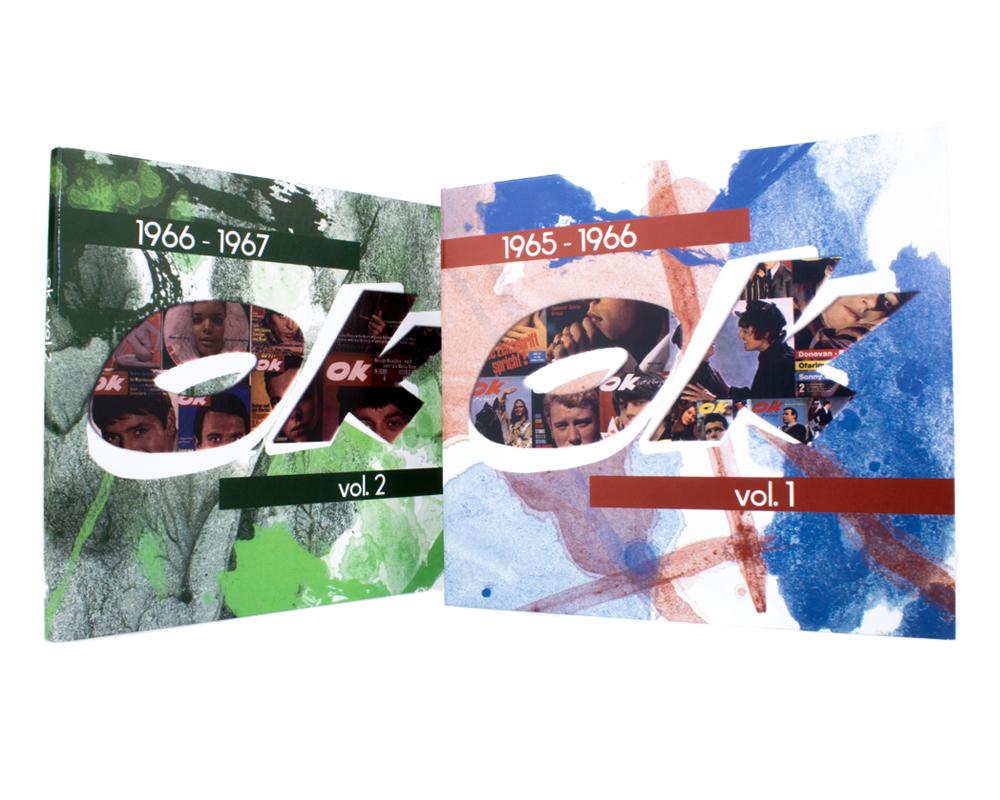
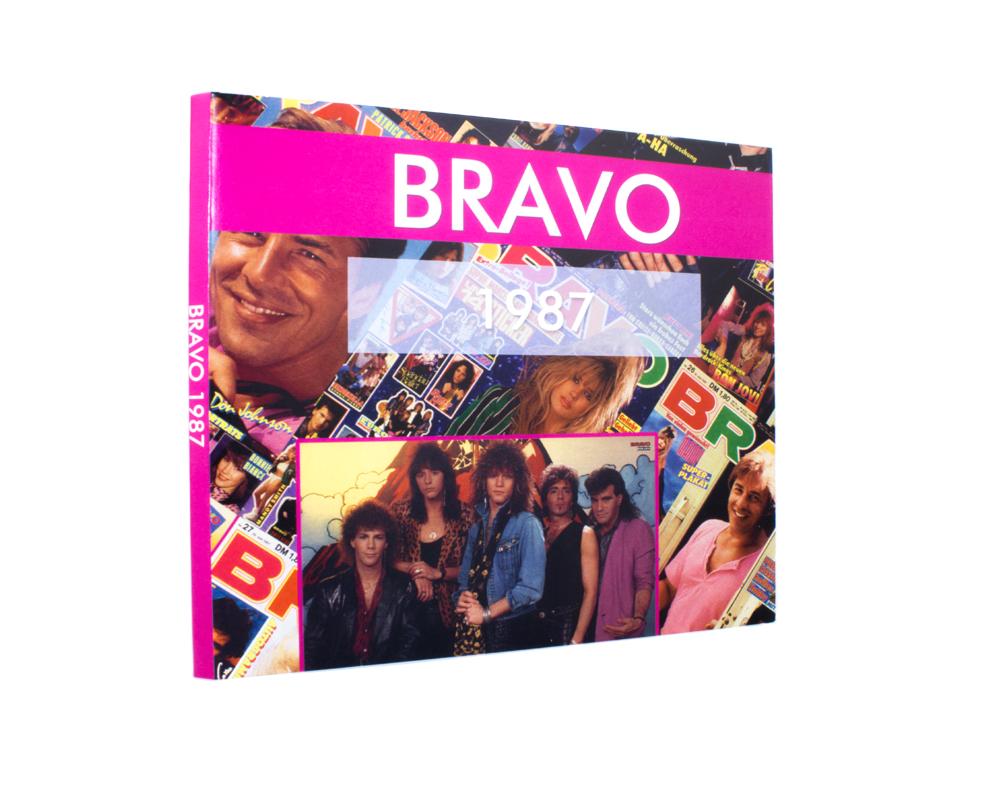
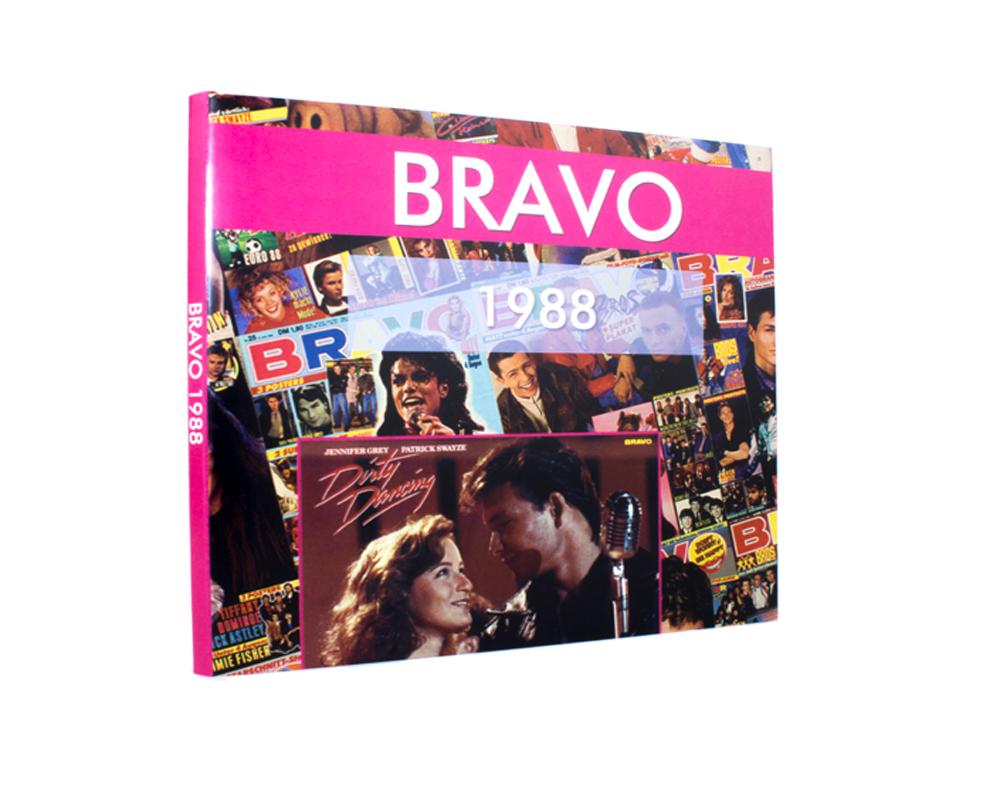
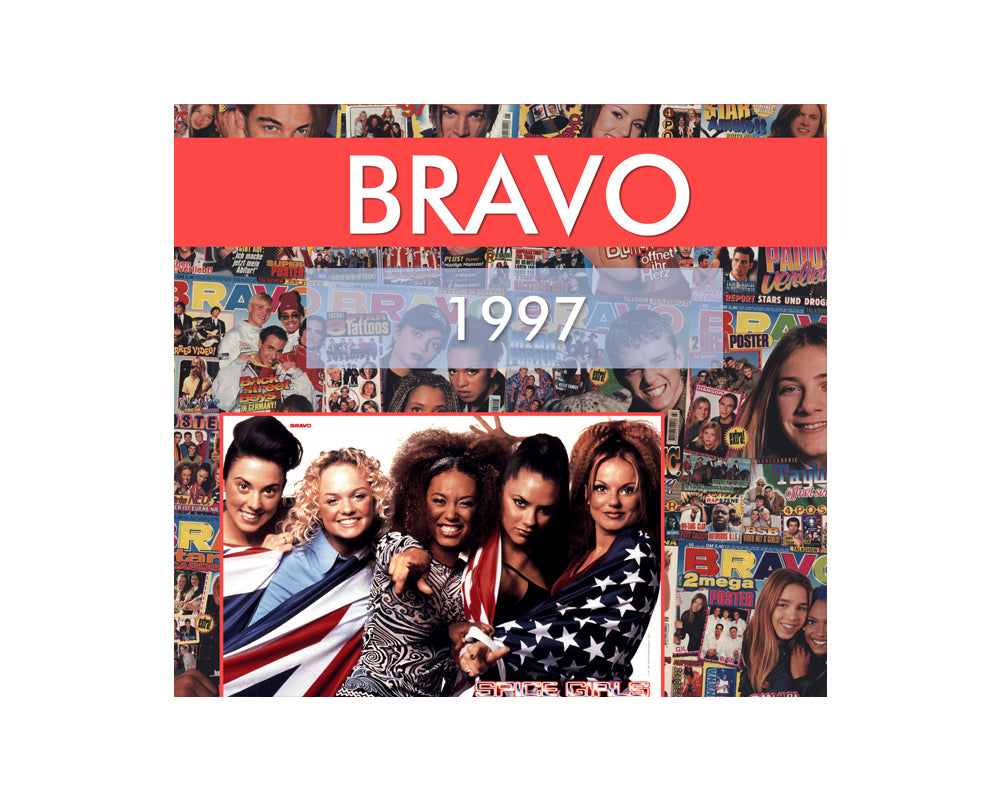
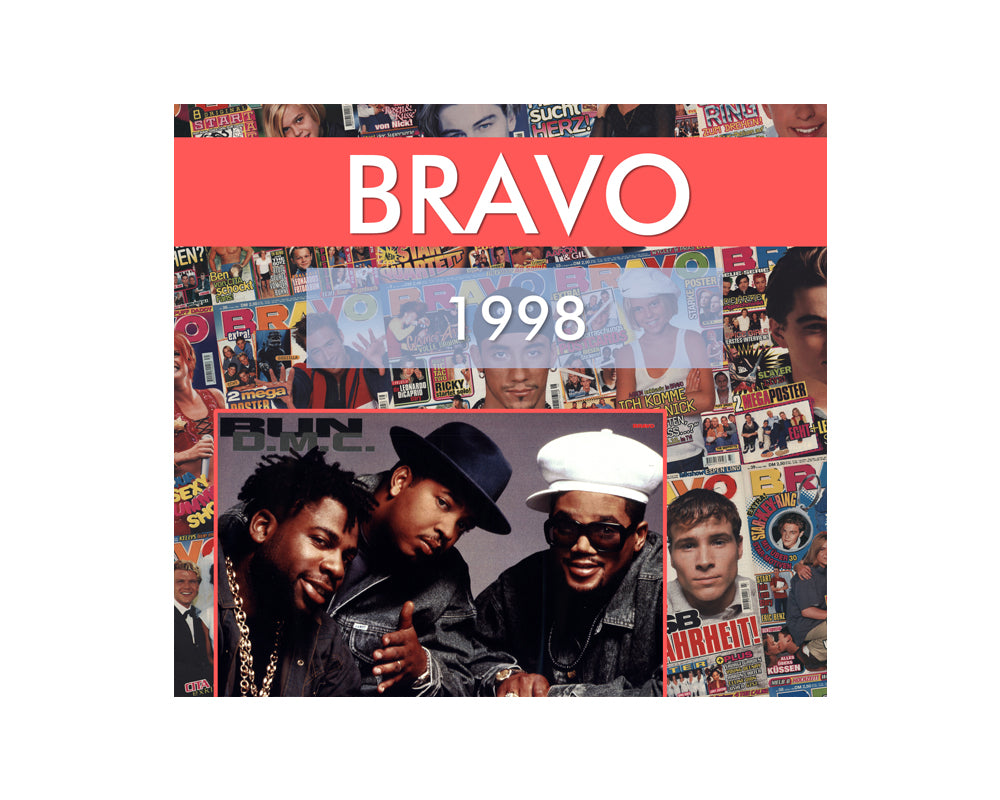
When you purchase 3 complete years you will automatically receive a 10% discount in your shopping cart


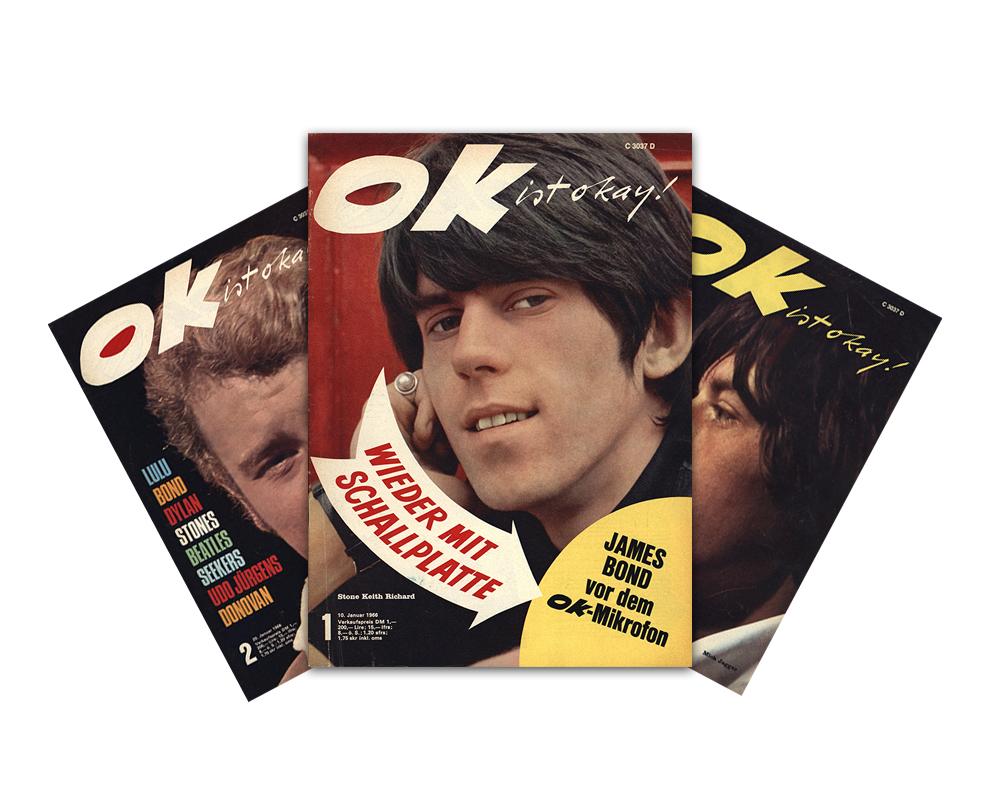
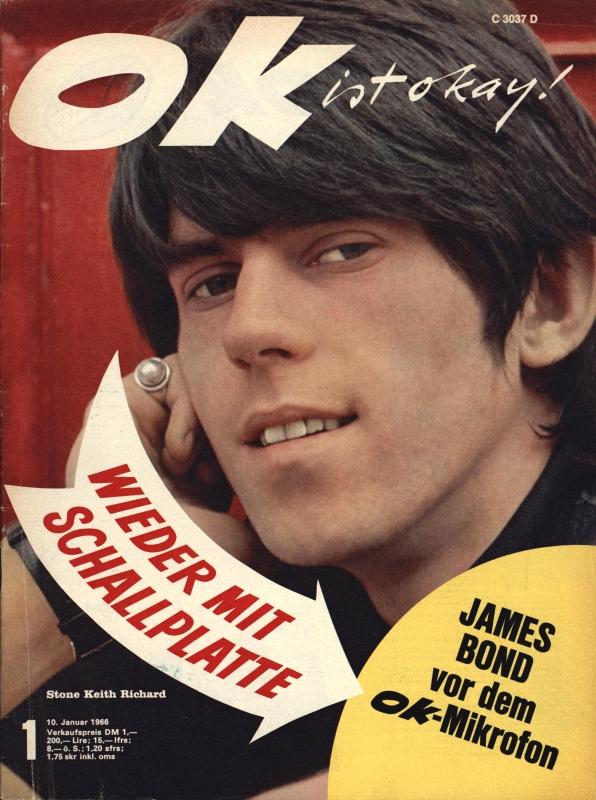
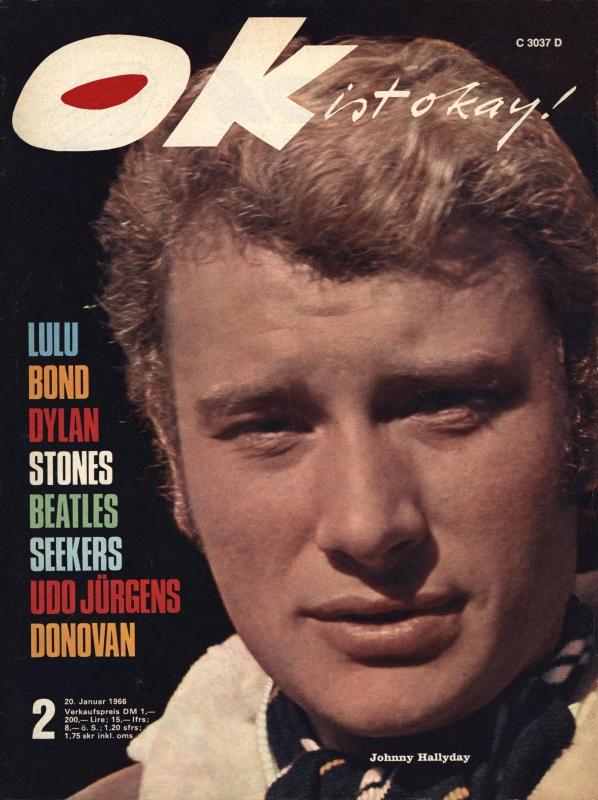
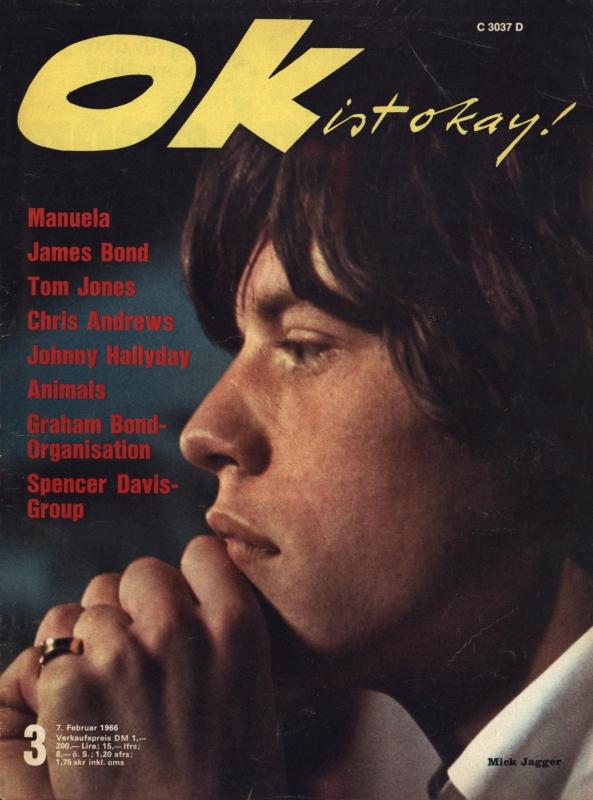
OK is okay – or: How a pop magazine came in color and disappeared as a myth
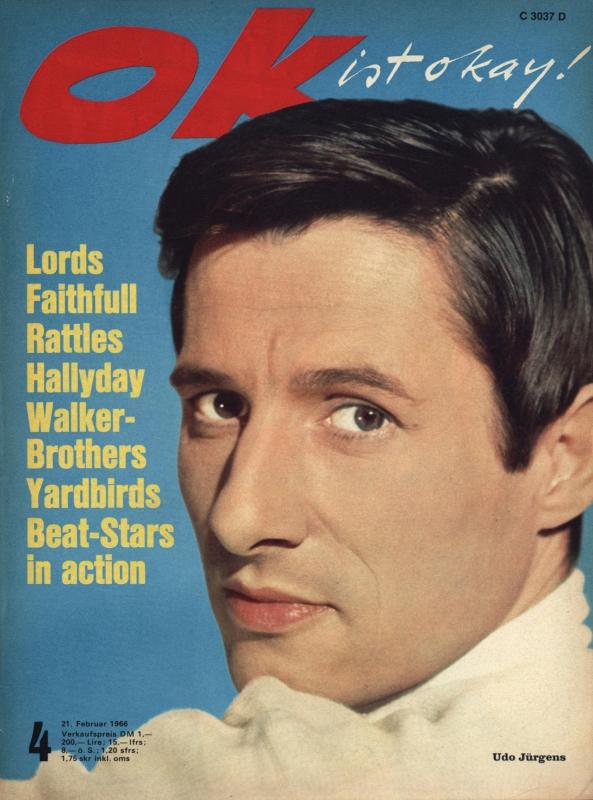
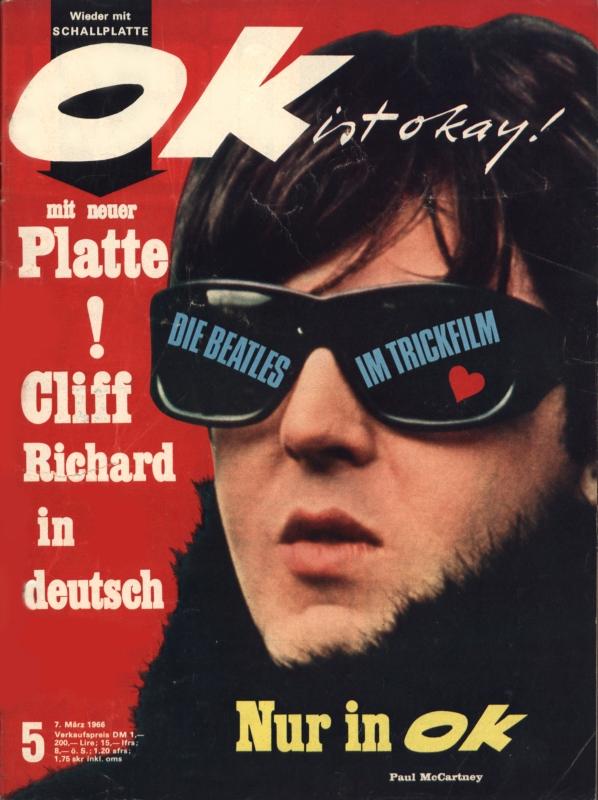
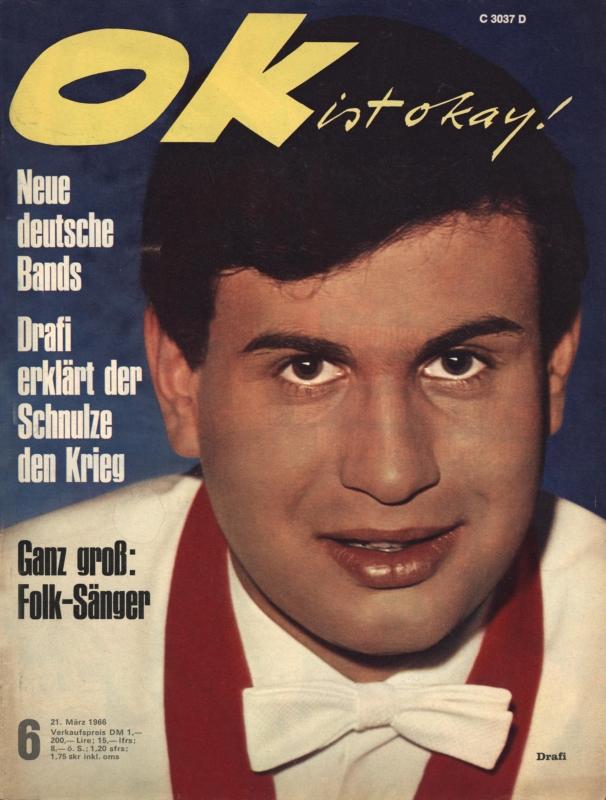
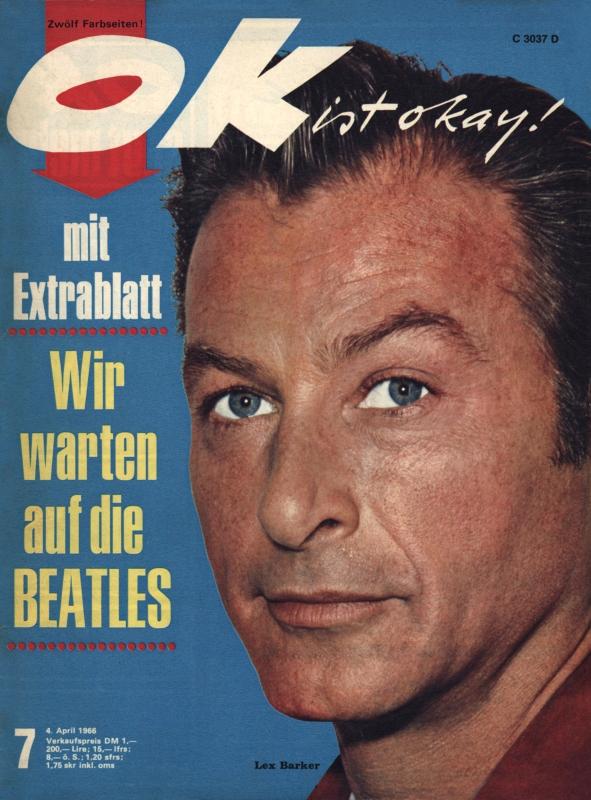
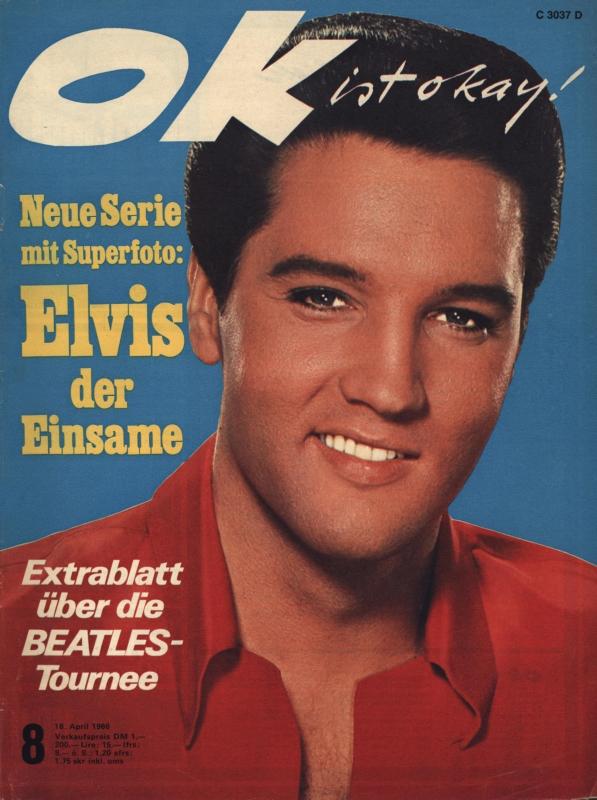
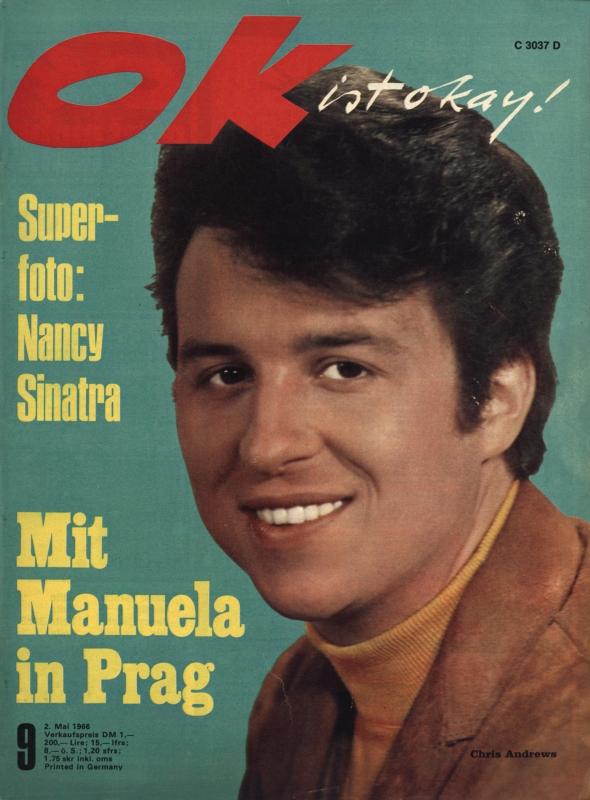
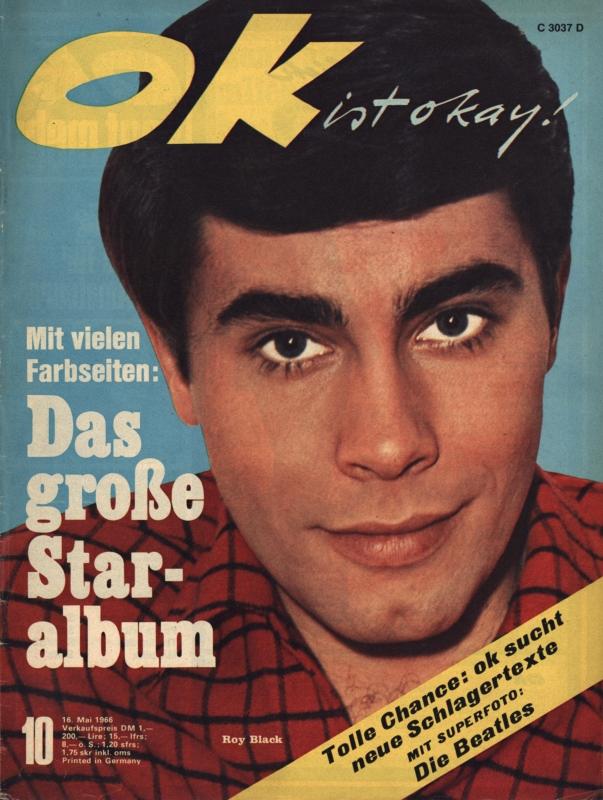
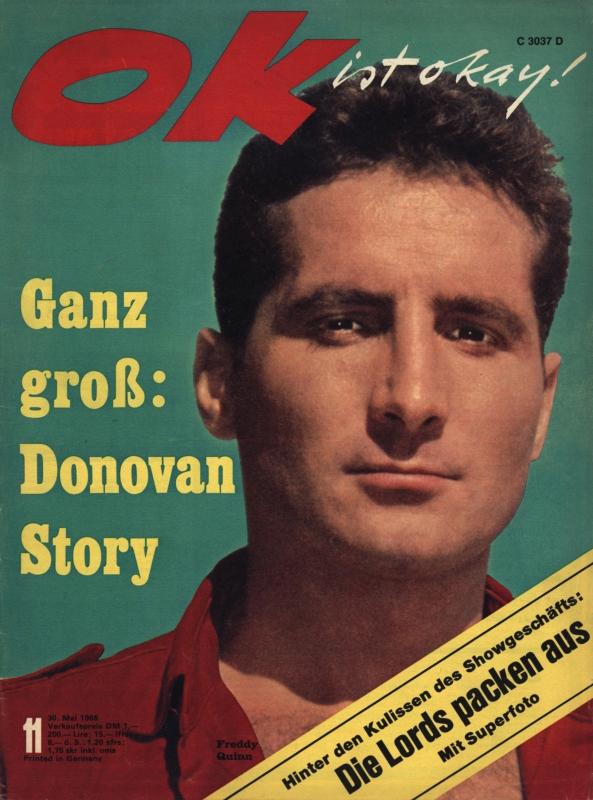
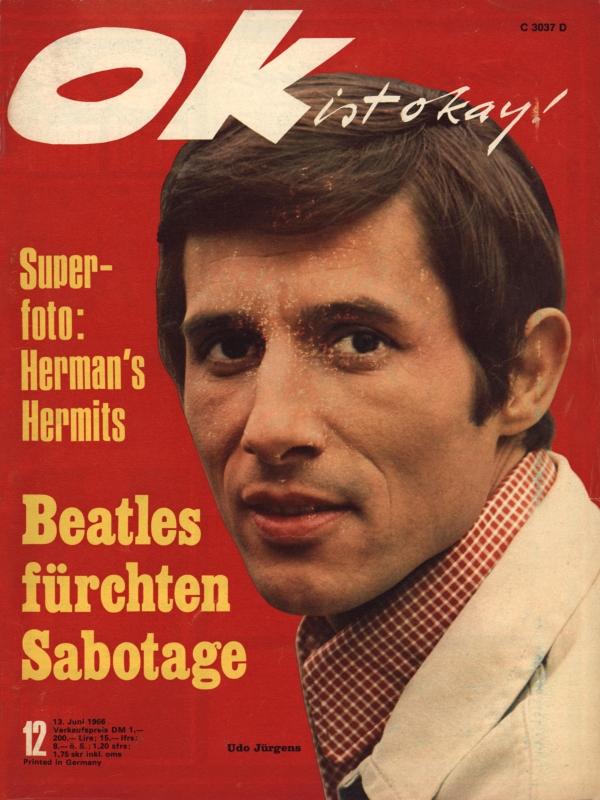
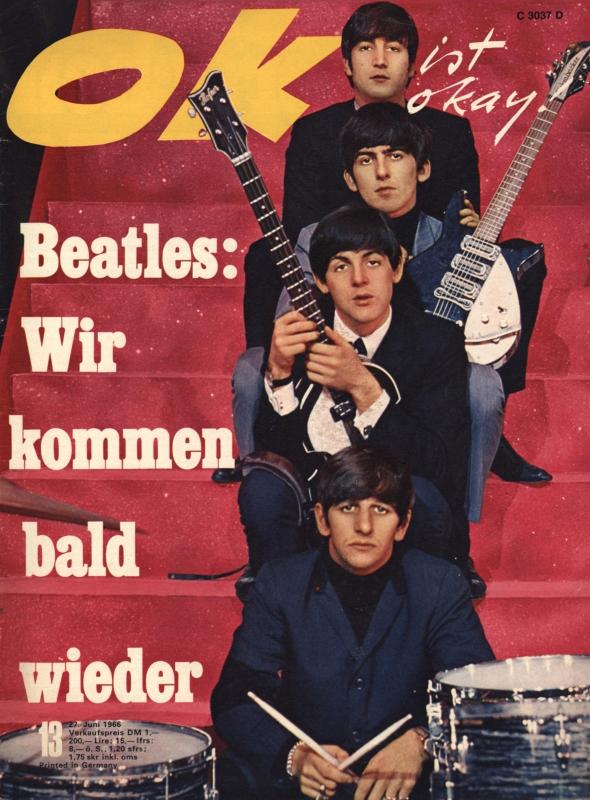
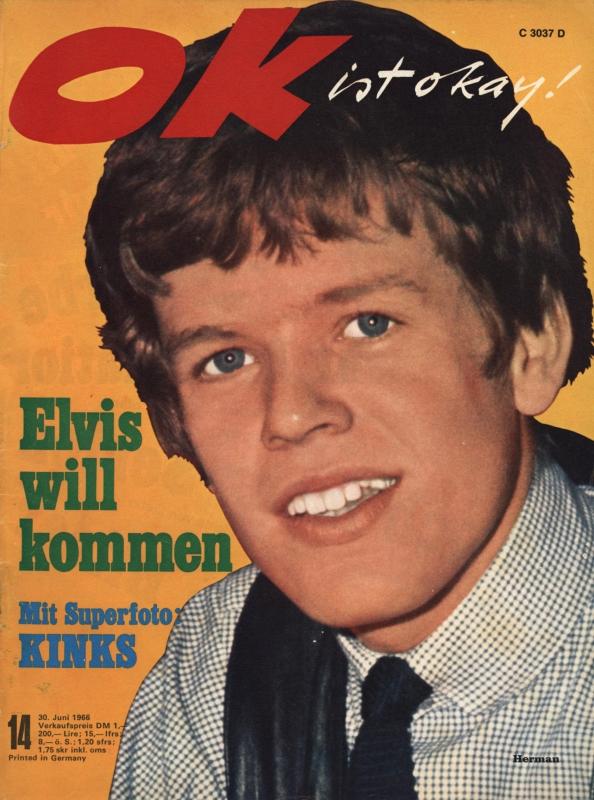
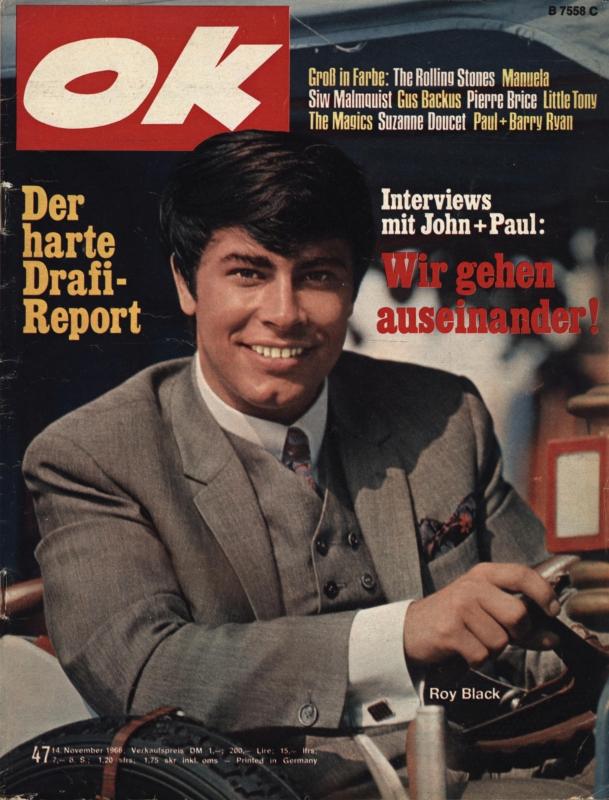
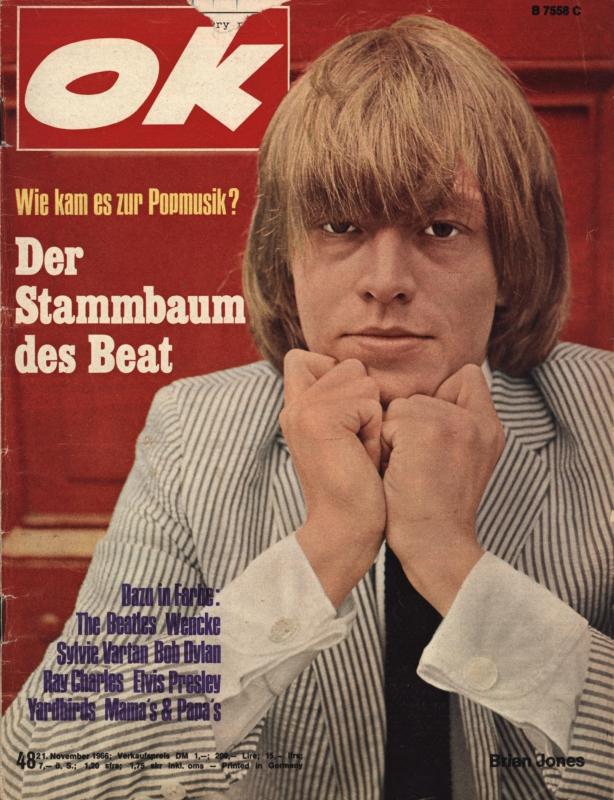
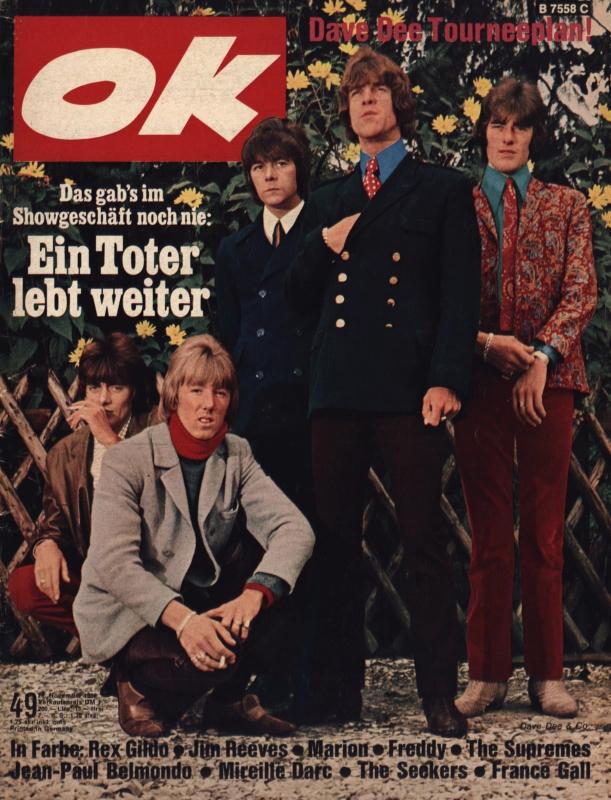
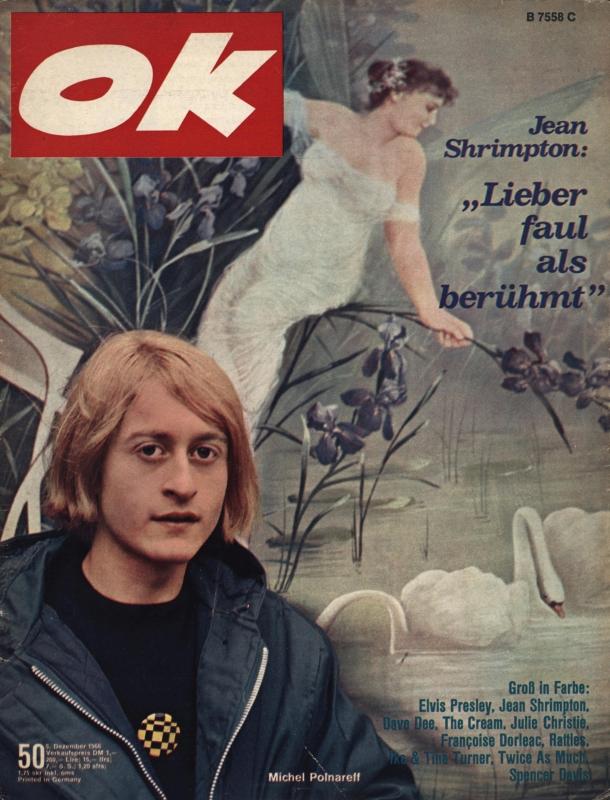
Once upon a time – and as always in such stories, it all began with a bang: On November 1, 1965, "OK is okay" was published, a magazine that wanted to do more than just swim with the tide of youthful optimism. No – "OK" wanted to drift, swirl, perhaps even stir up its own ocean.
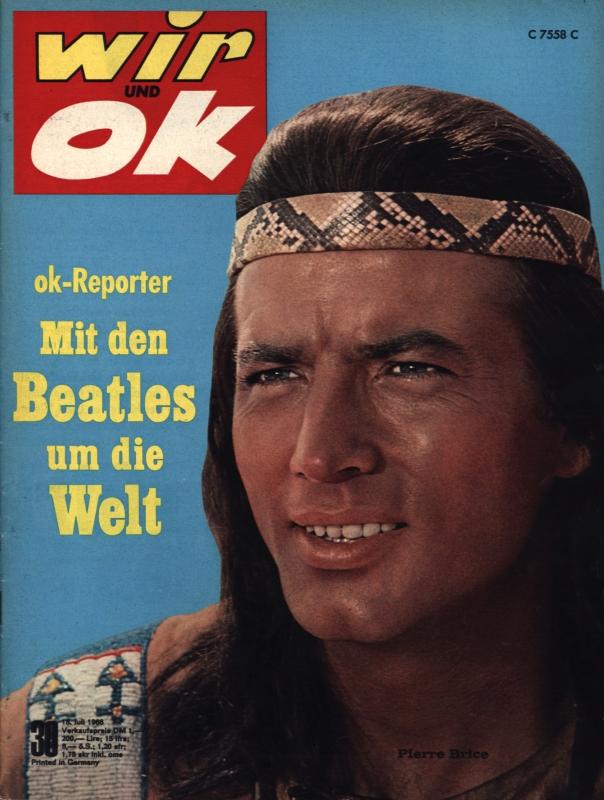
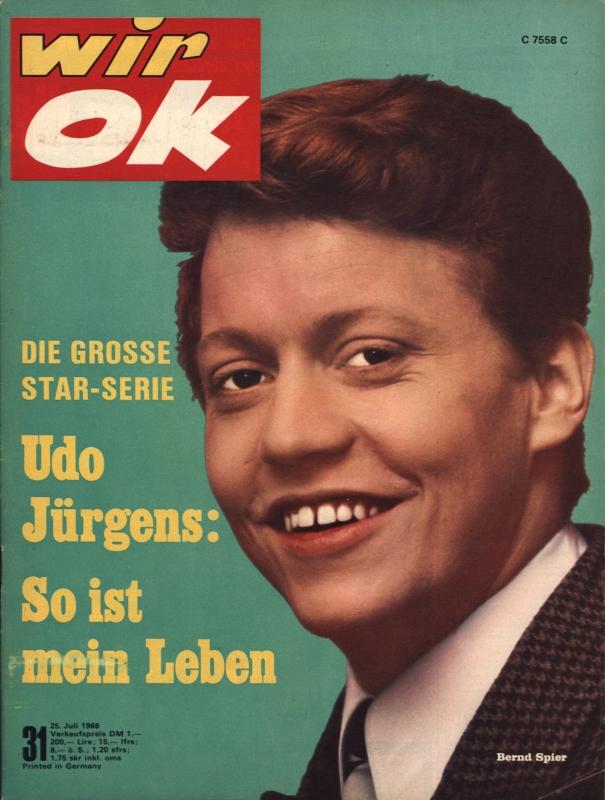
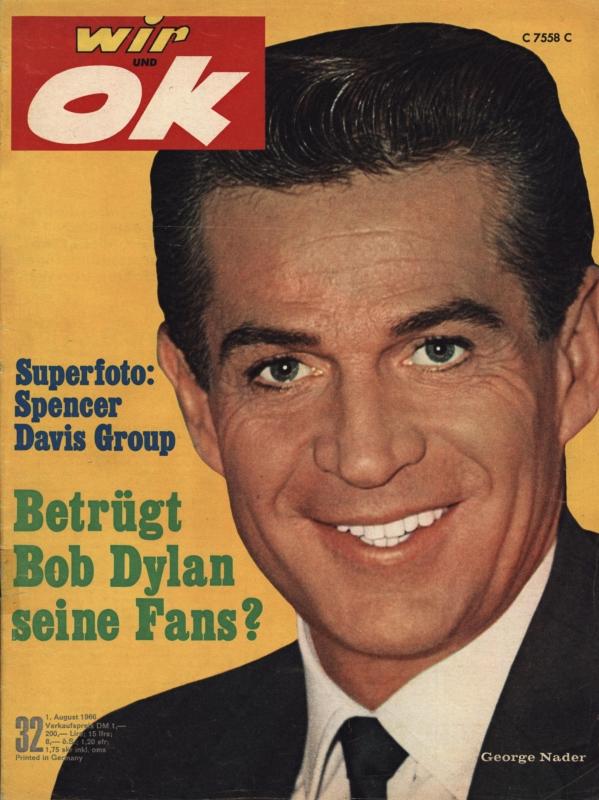
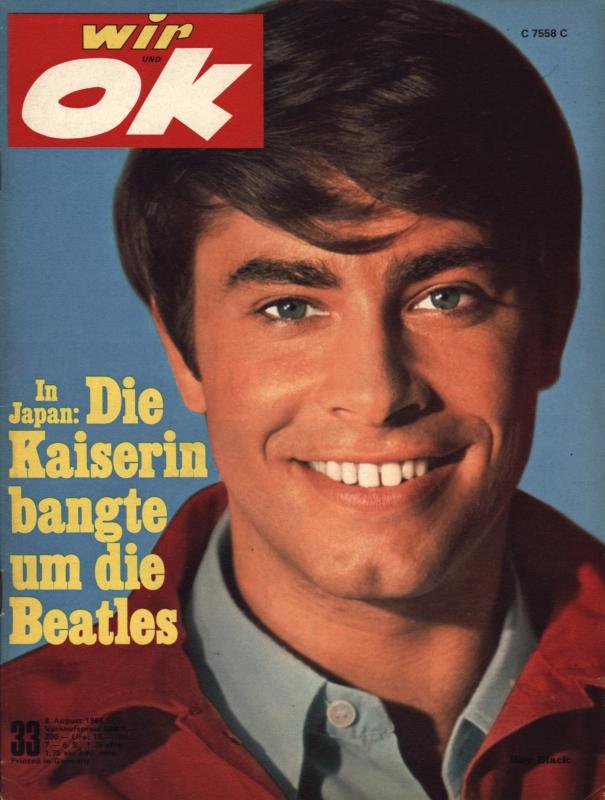
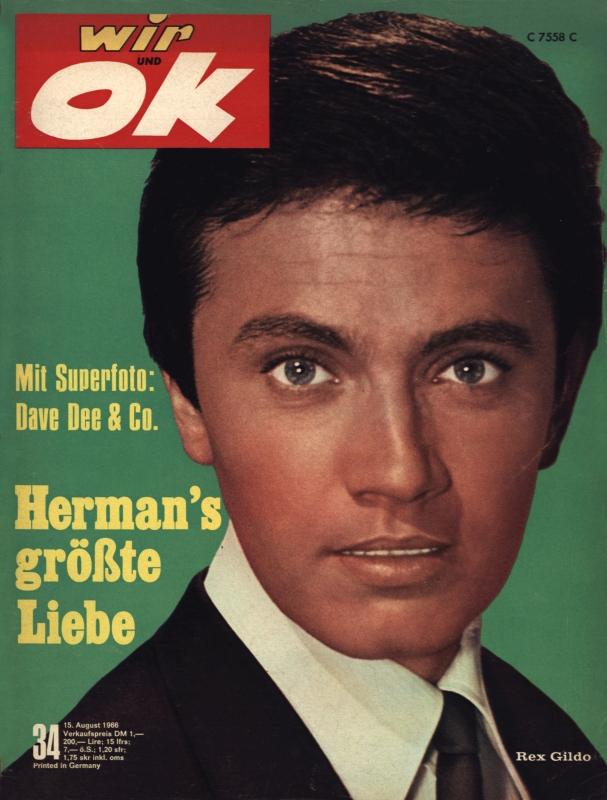
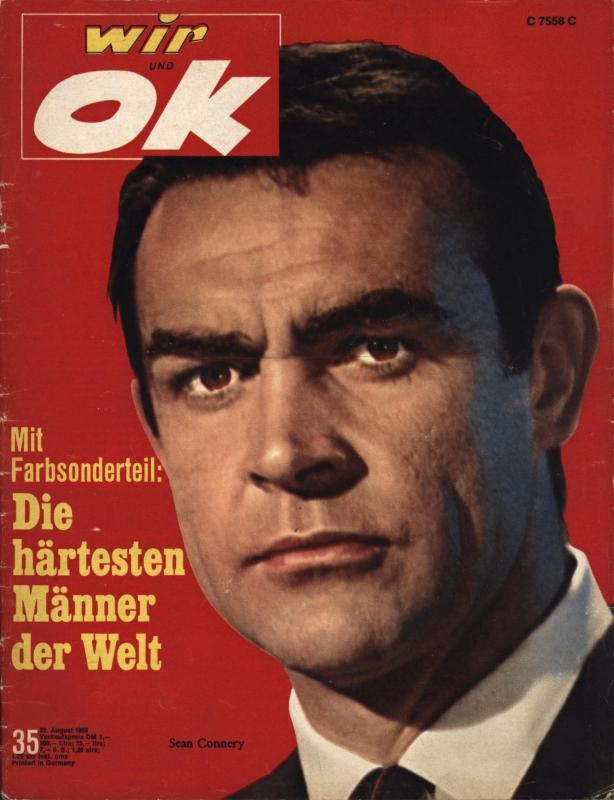
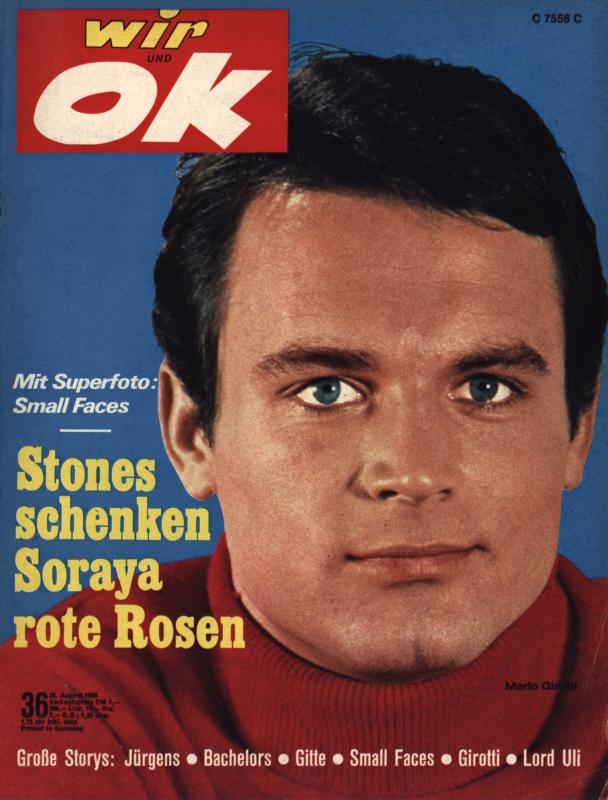
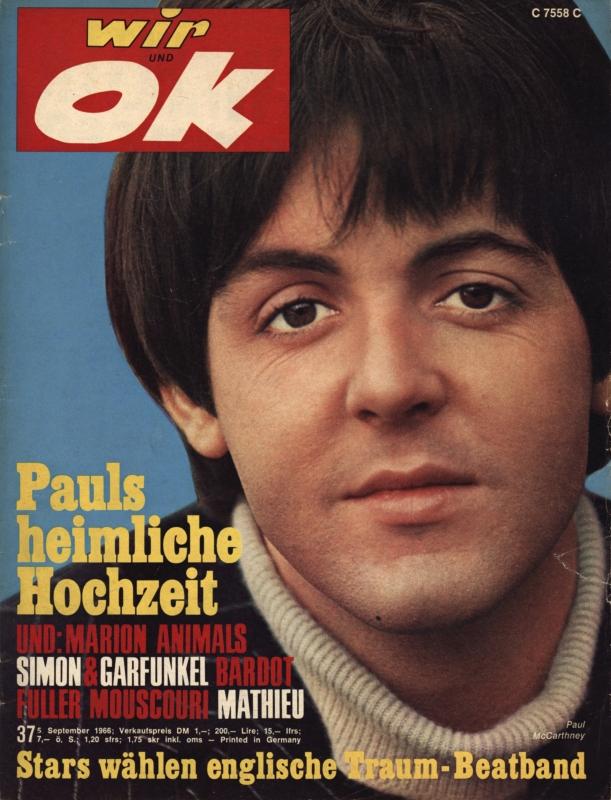
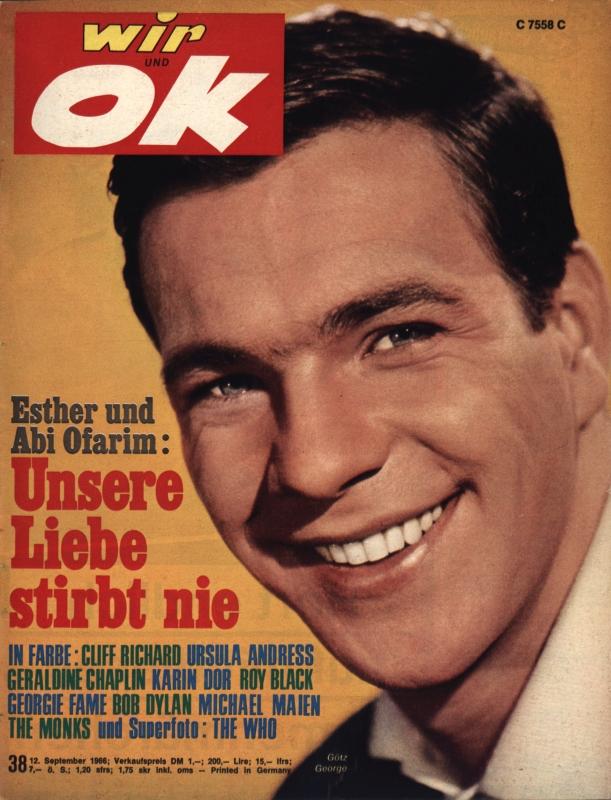
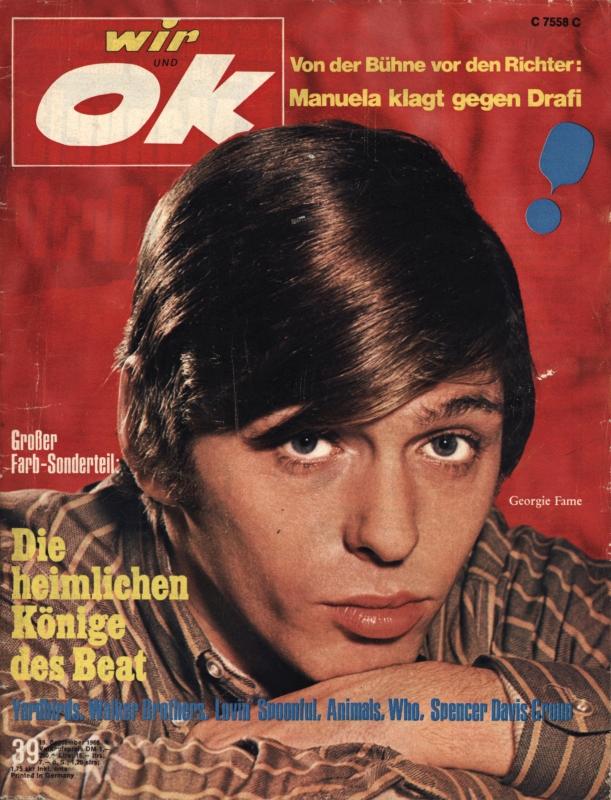
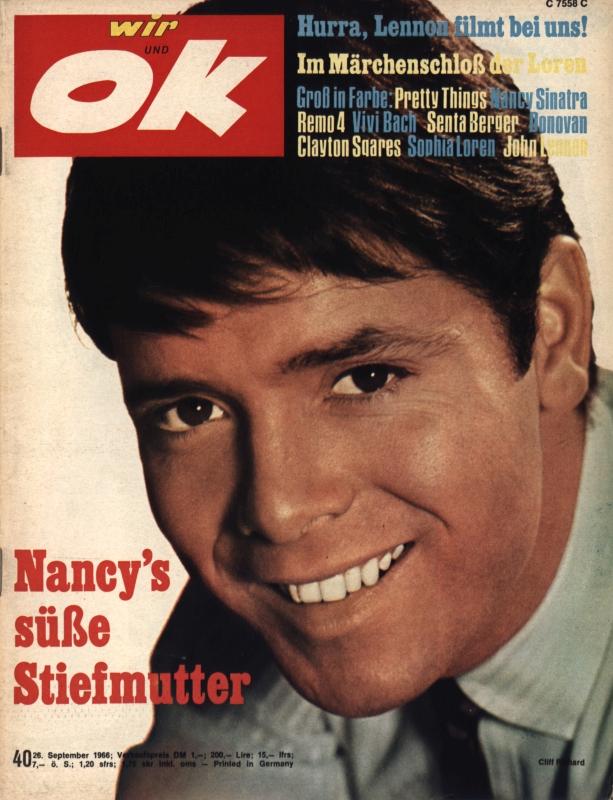
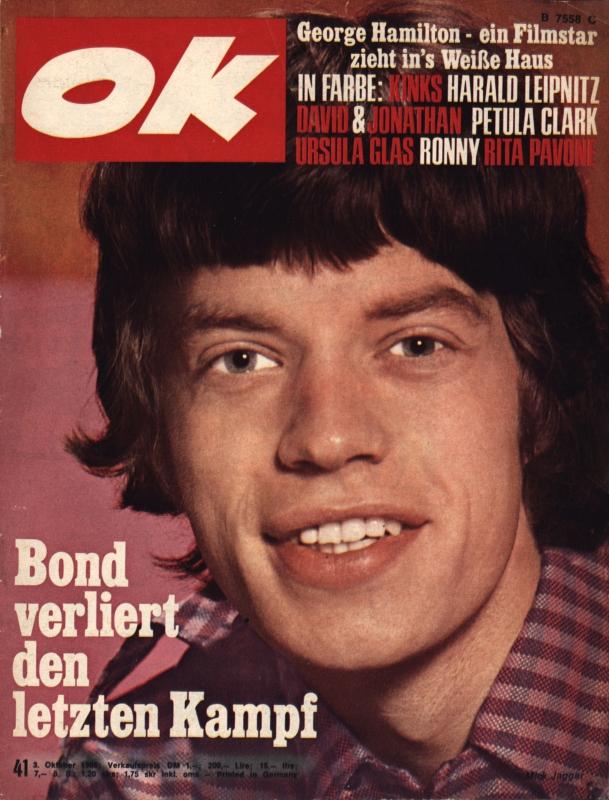
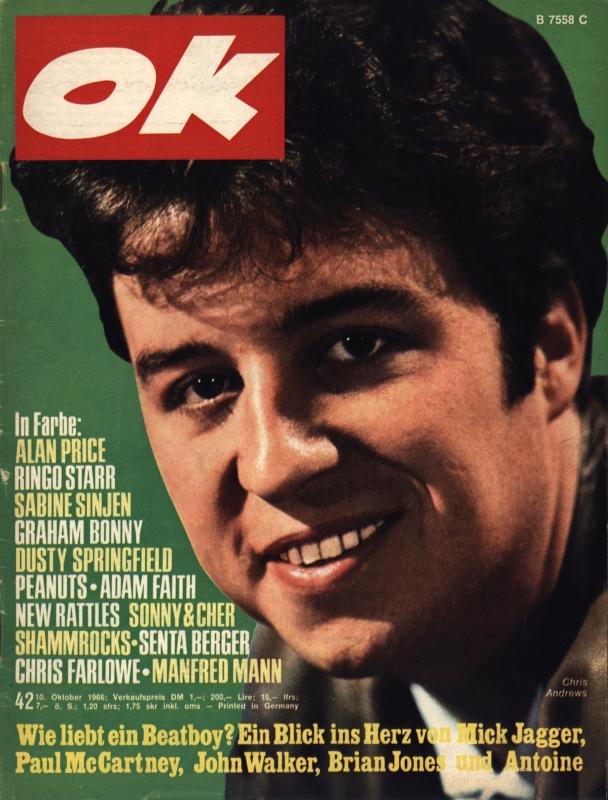
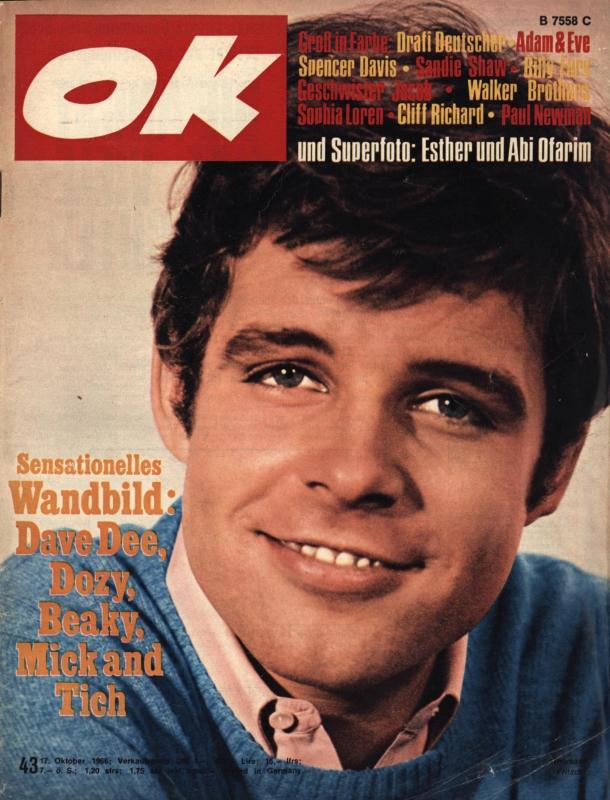
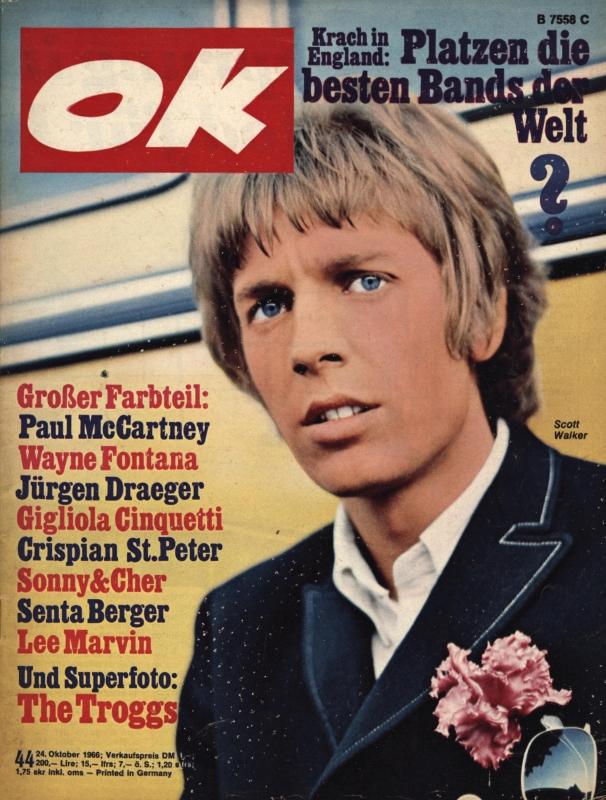
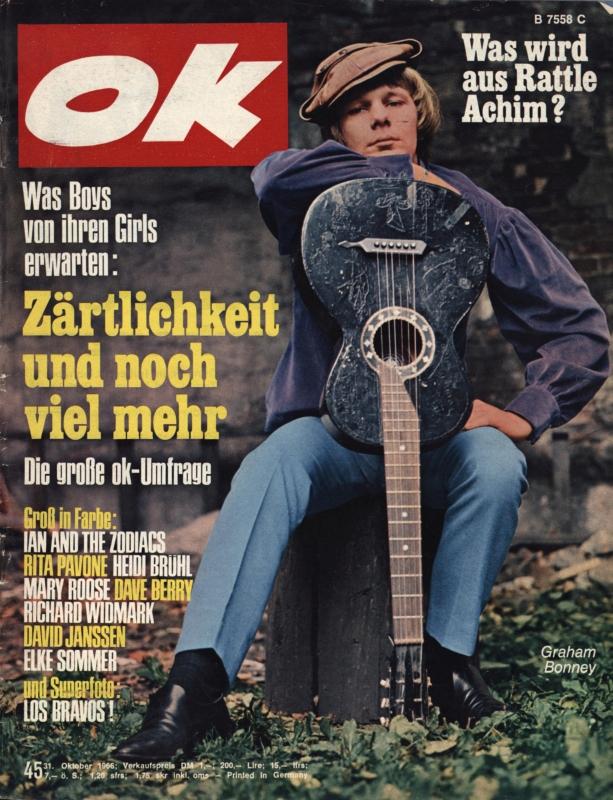
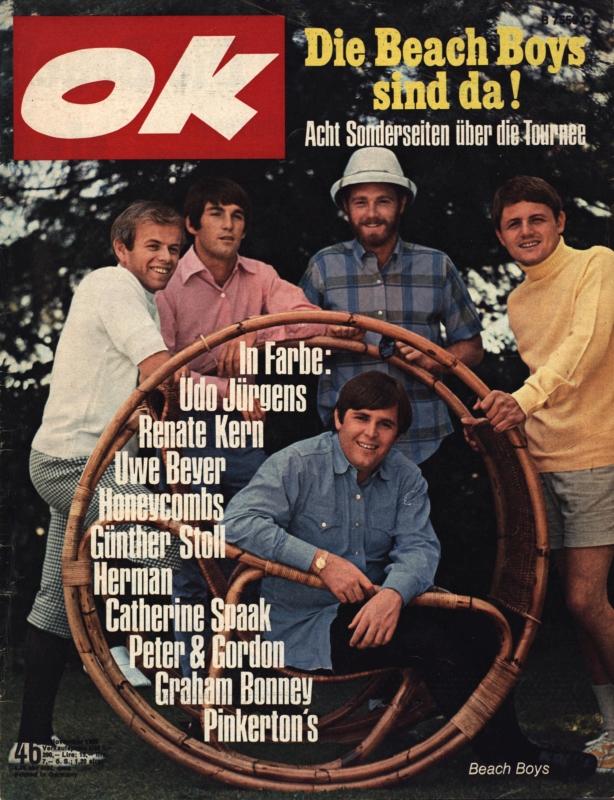
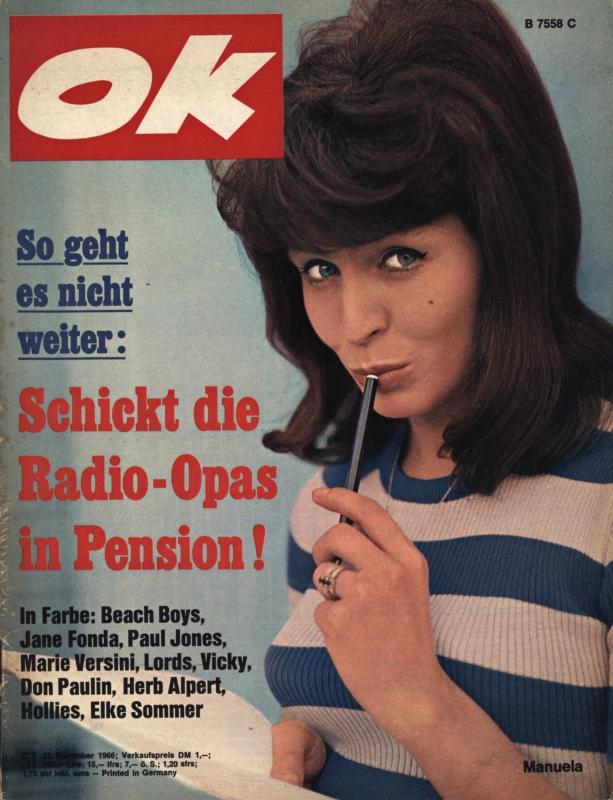
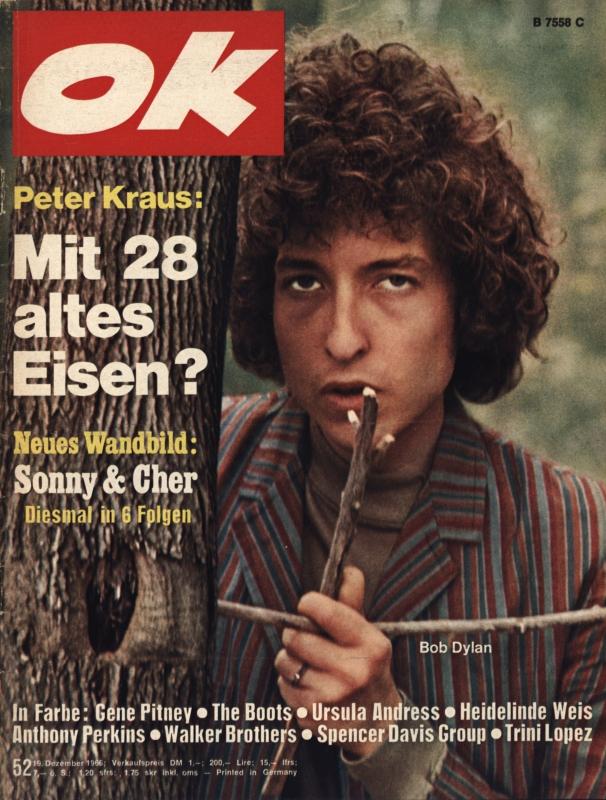
Fortnightly, colorful, bold: For 19 issues, the magazine shook up teenagers' bedrooms, from flokati rugs to music boxes – until Bauer in Hamburg upped the ante: from the summer of '66, it was a weekly issue . The highlight: the collaboration with the somewhat tame but popular magazine "wir" (we) . From then on, the cover read: " wir / OK " – two souls, one heart made of celluloid, vinyl, and photo paper.
What made "OK" special? Not just the rich color , not just the songs you could read , not just the large-format reader charts where every vote truly counted. It was this whiff of pop avant-garde that you could smell when you opened the magazine: a Beatles vinyl record in the first issue , later Cliff Richard and even Sean Connery , ready to be played on the turntable. Plus wallpaper posters —oversized Winnetou, Dave Dee & Co. in psychedelic splendor, Sonny & Cher in double portraits.
It was more than a magazine. It was a promise of difference.
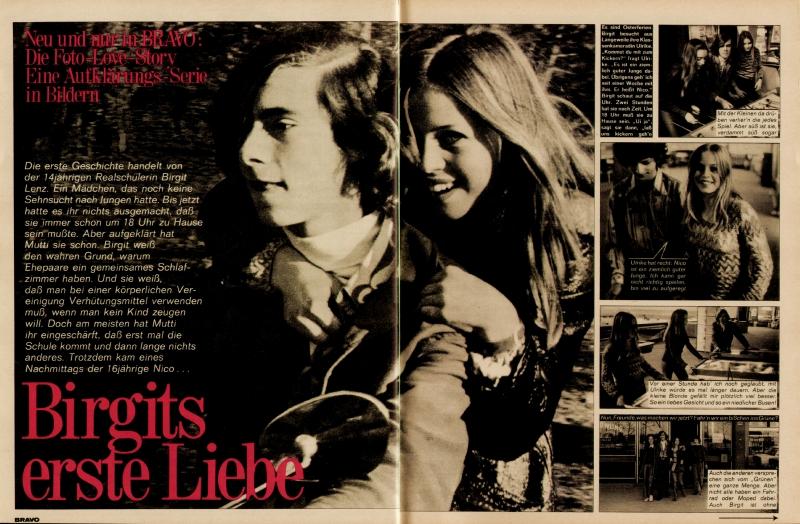
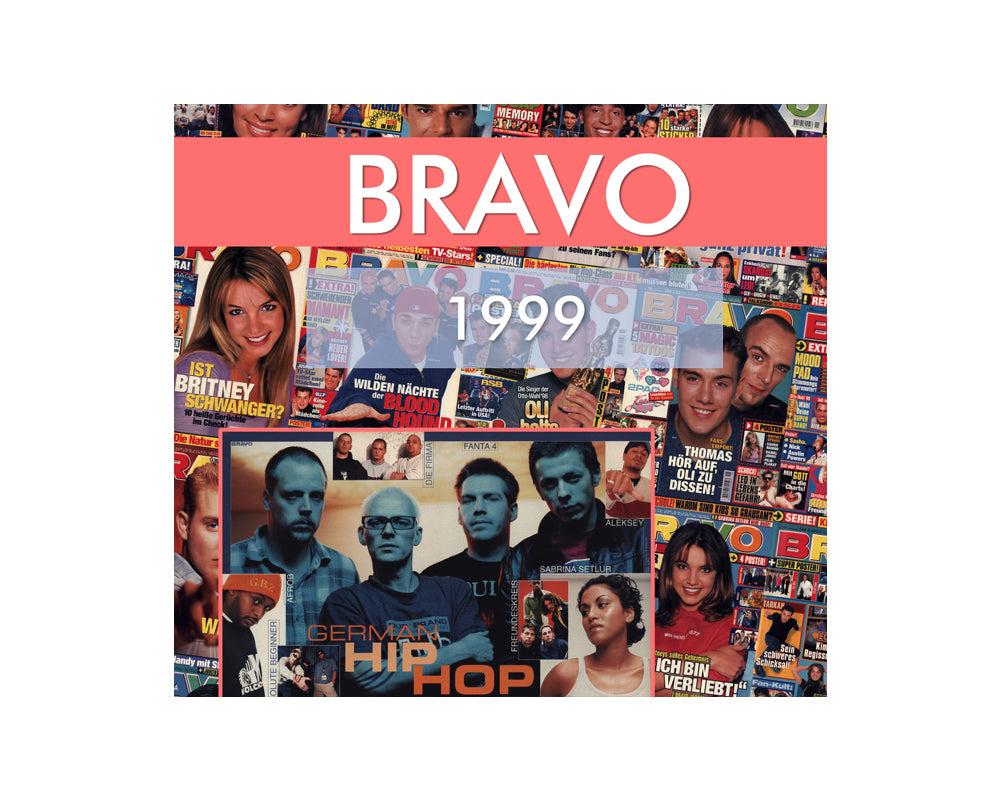
But even the boldest wave has a shore. On April 10, 1967, the last OK issue was published by the all-powerful BRAVO magazine . 57 issues – and it was over. The price? One Deutschmark. Reasonable, considering that a piece of youth history was being printed in glossy print.
"OK" was never just a magazine. It was a small, wild manifesto on paper. And sometimes, when you rummage through old record cabinets and hear the flicker of a flexi-disc, it's there again – that memory of a magazine that burned as briefly as it burned brightly.