

When you purchase 3 complete years you will automatically receive a 10% discount in your shopping cart


Spanish Harlem – A song like a fragrant rose in the asphalt of the big city
There are places whose sound alone unleashes melodies in our heads. Spanish Harlem —officially East Harlem, affectionately known as El Barrio —is one such place. A neighborhood in Manhattan permeated by the rhythms of the Spanish-speaking world: Puerto Rico, Cuba, the Dominican Republic, Mexico—cultural diversity practically drips from every brick wall. It's a neighborhood of contrasts—hard and raw, but also full of music, soul, and heart. And it's the breeding ground for one of the most poetic songs of the early 1960s.
Phil Spector, the child prodigy in the shadow of Leiber & Stoller , was still searching for his place in the world of songwriting at the time. Together with these two masters of pop composition, they created a song in 1960 that remains one of America's great urban ballads: "Spanish Harlem ." And who would have been better suited to lend his voice to this piece than Ben E. King, the former lead singer of the Drifters, who had already made history with "Stand by Me ." His interpretation of "Spanish Harlem "—tender, yearning, as if nestled on velvet—climbed to number 10 on the Billboard charts in 1961.
But that was just the beginning.
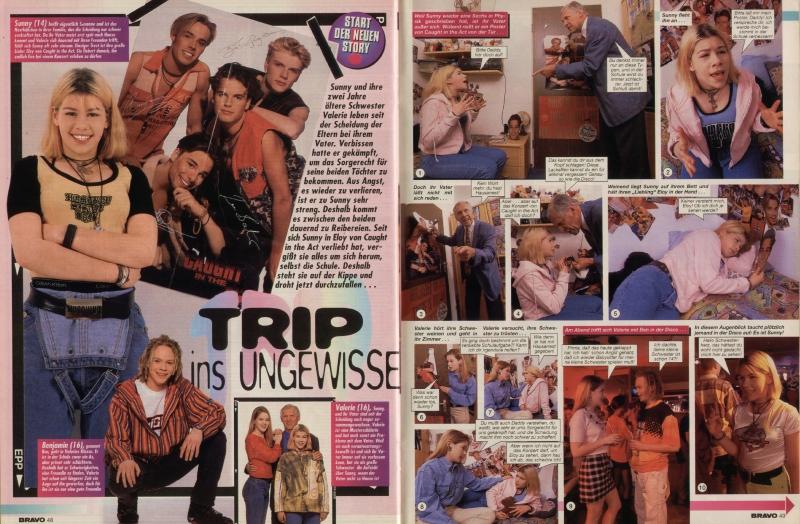
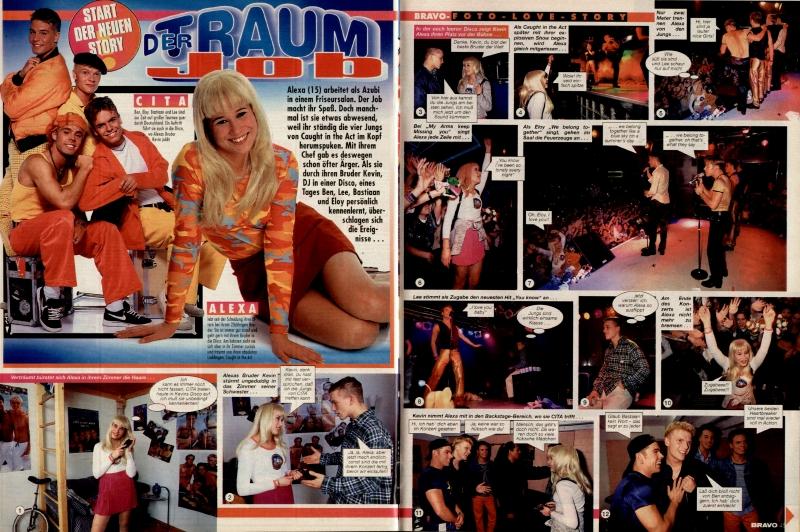
Three years later, in 1964, Cliff Richard dared to attempt a German version: "Das ist die Frage aller Fragen" (That's the question of all questions) . What sounds like a sappy pop song easily took first place in the BRAVO charts – for six weeks! Even in translation, the song retained its magical aura. A miracle? Perhaps. But things were about to get even better.
Then, in 1971, Aretha Franklin —the Queen of Soul—transformed the delicate rumba into a powerful statement. Her version was no longer a love song, but a sung hymn to the dignity of Black women, to survival amidst the harshness of the American urban jungle. The lyrics? Almost unchanged. The effect? Explosive. It is music as silent rebellion, the heartbeat of an entire movement.
And in between, the version that still brings tears to the eyes of connoisseurs today: The Mamas & The Papas . On their debut album , If You Can Believe Your Eyes and Ears (1966), they transform Spanish Harlem into pure vocal poetry. Denny Doherty , this Canadian messenger with arguably the most beautiful male voice of the 1960s, breathes life into the rose of Harlem. Around him, the voices of Cass Elliot and Michelle Phillips glide like fine pollen in the sunlight. The string carpet? A dream of velvet and wind.
"Spanish Harlem" is more than just a song. It's a monument to longing, beauty, and hope—grown from the concrete of reality. A rose that never wilts.