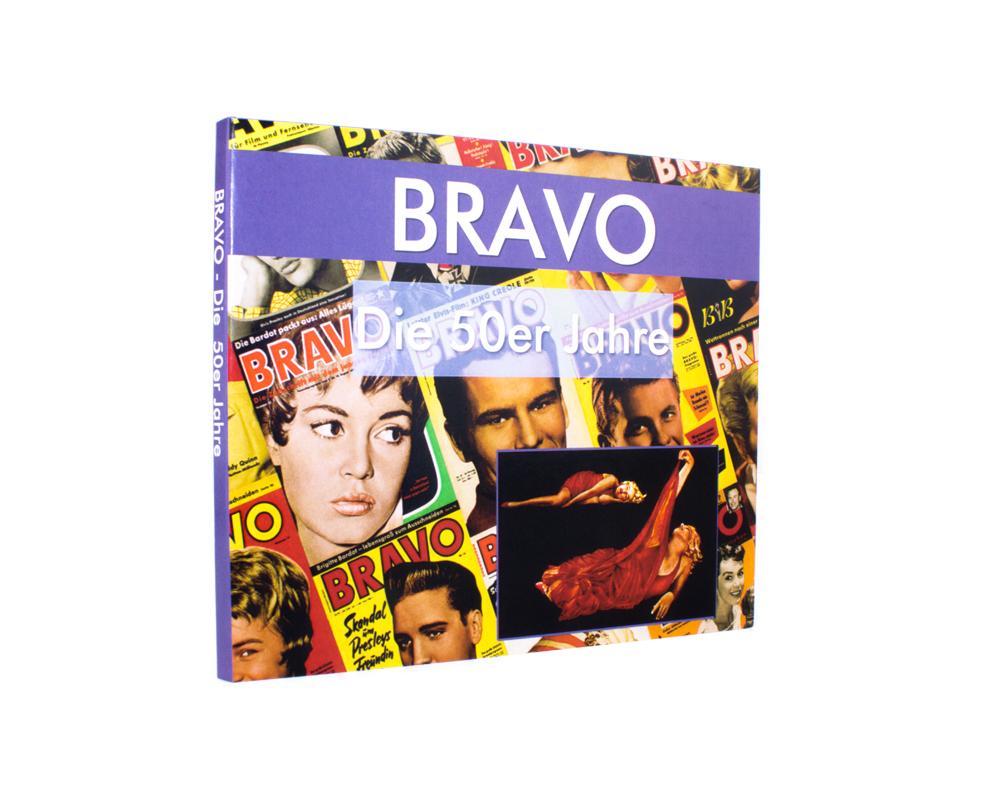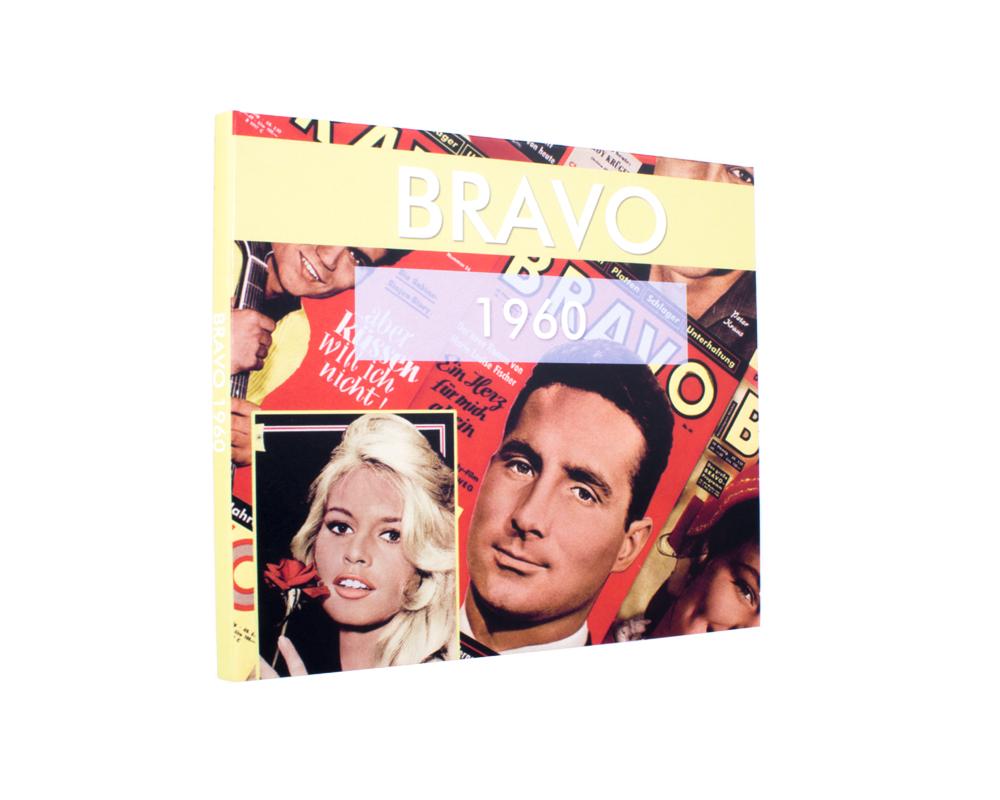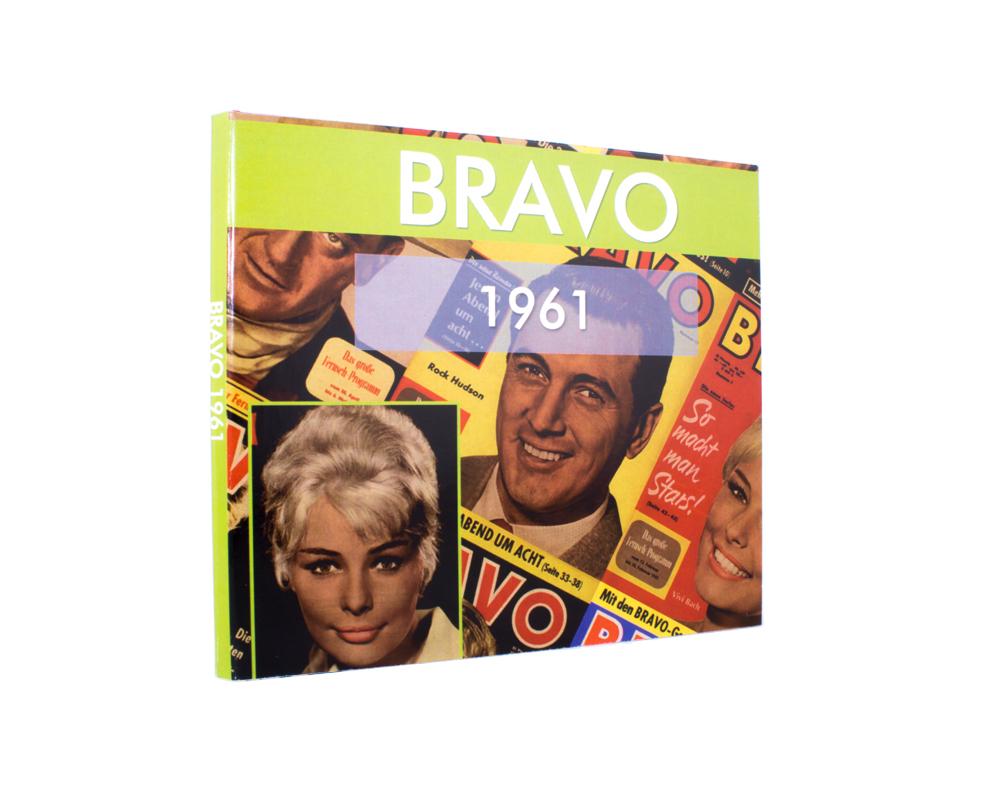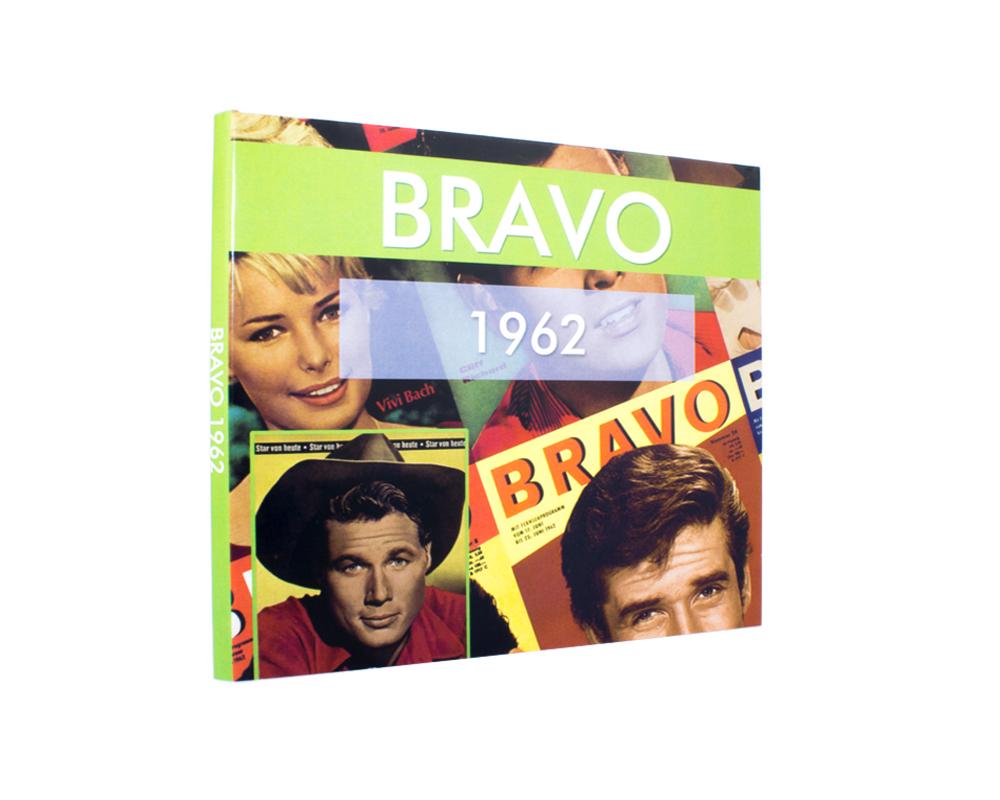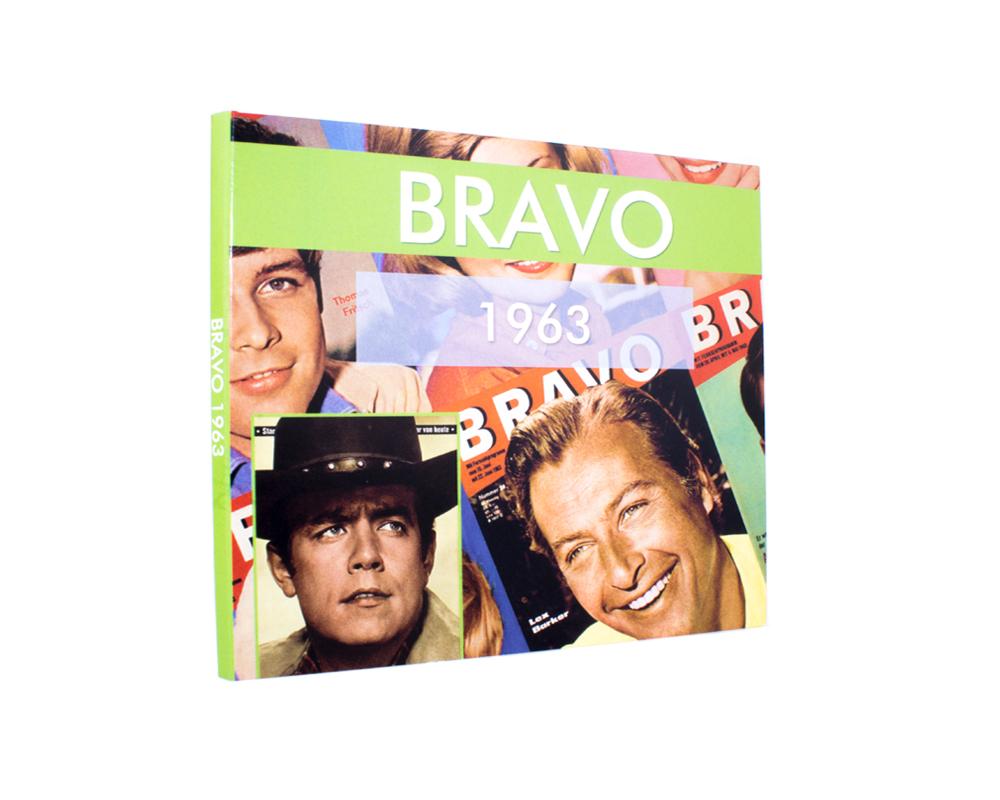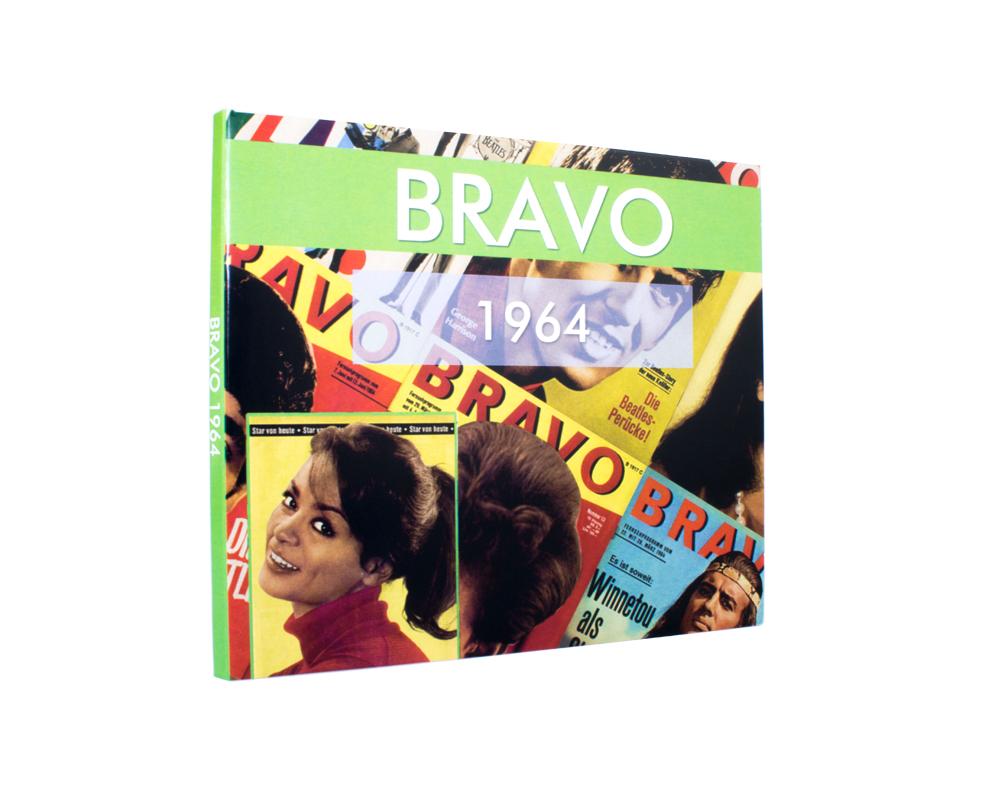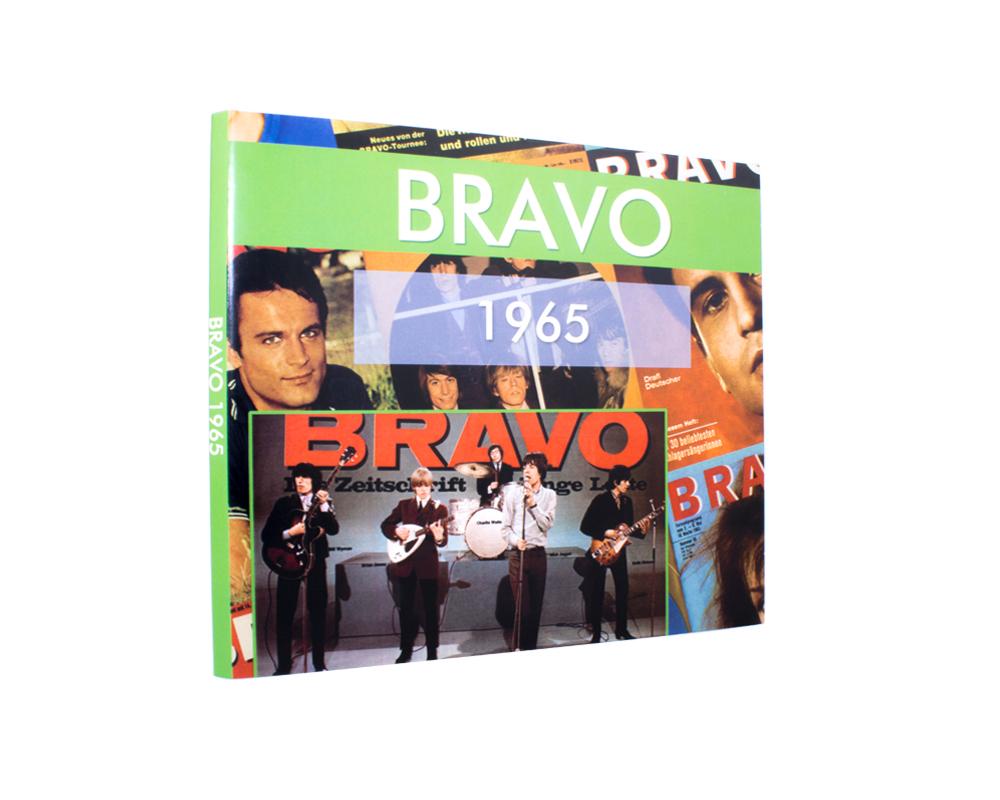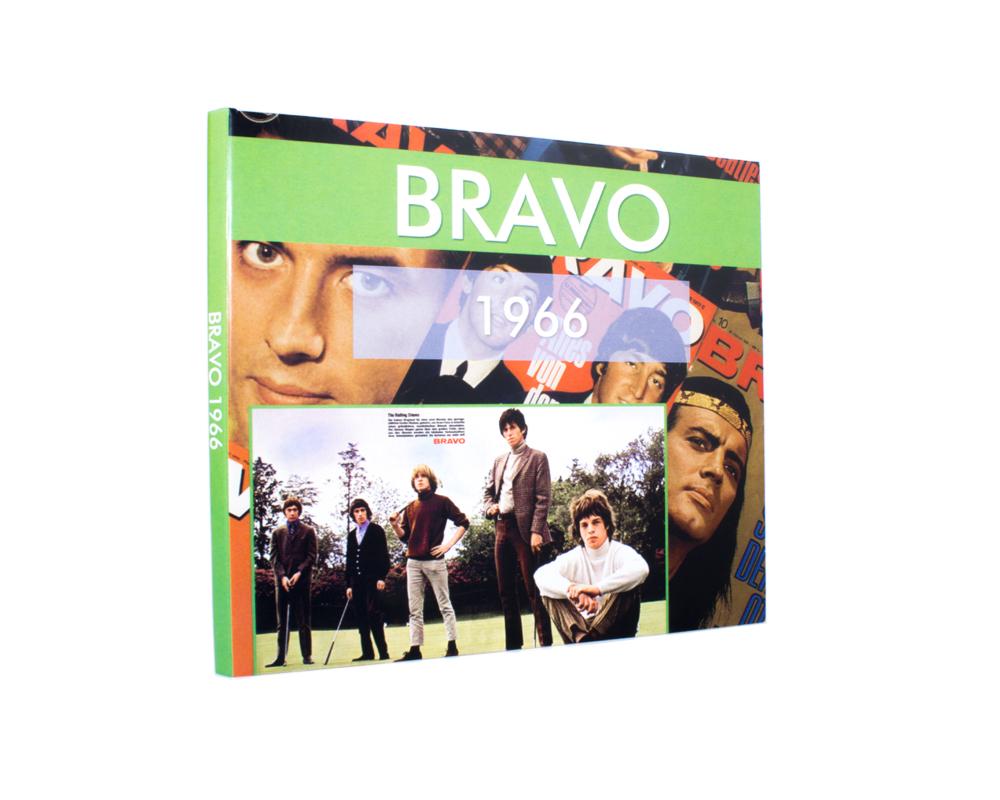
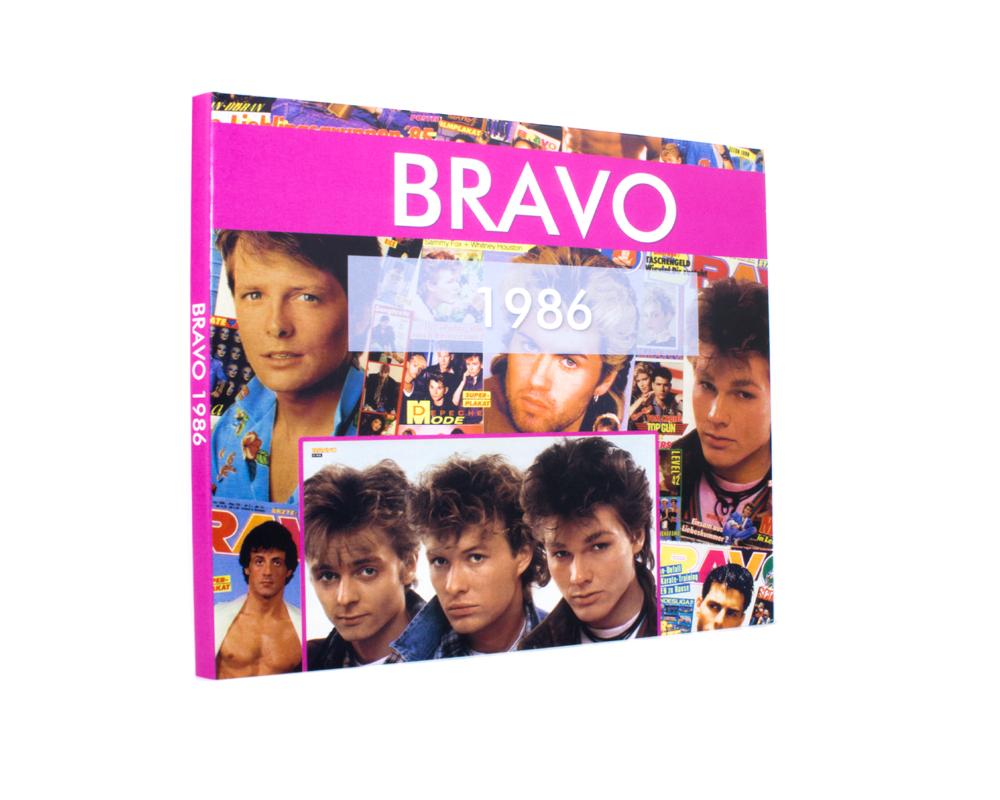
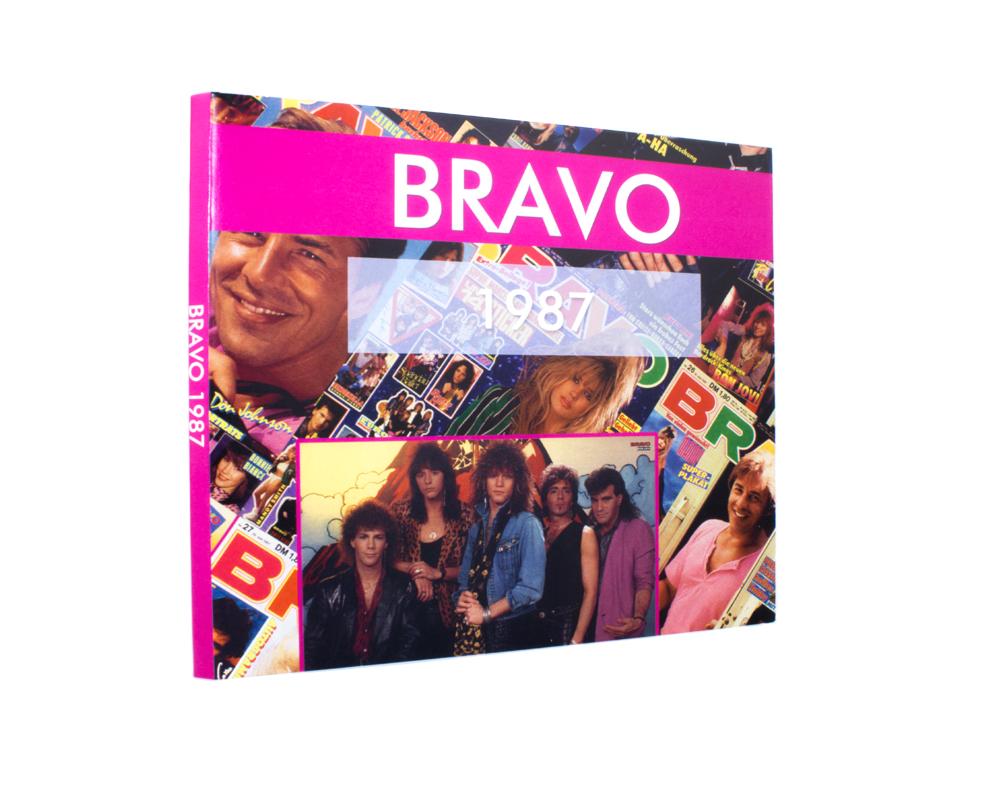
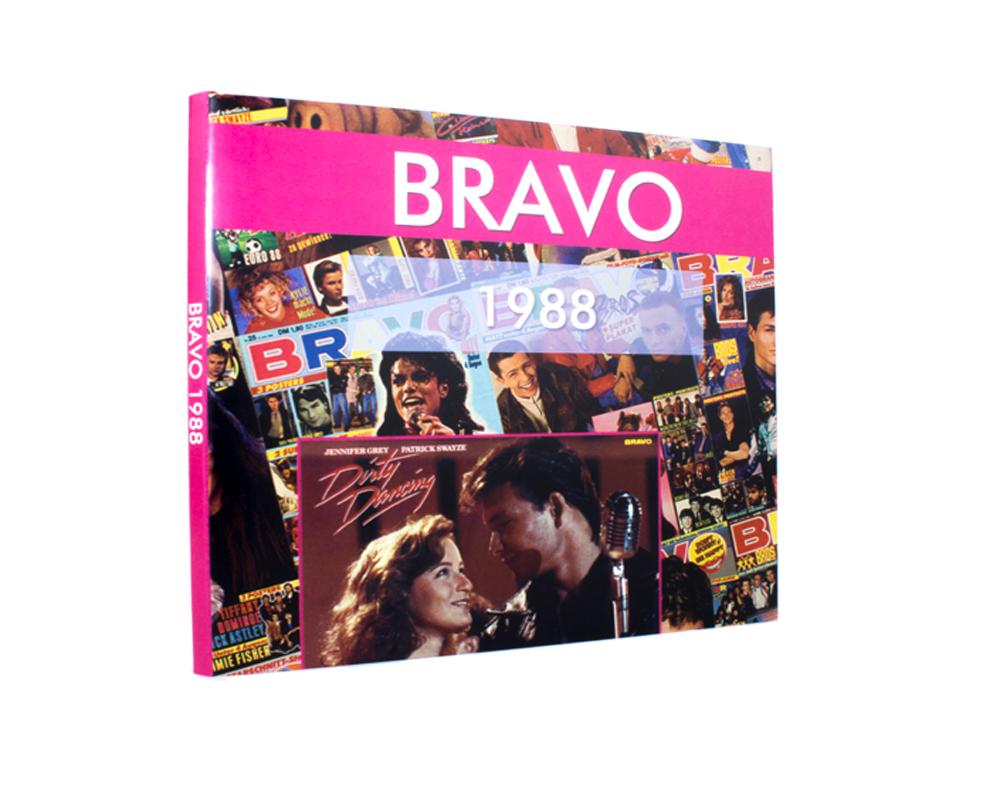
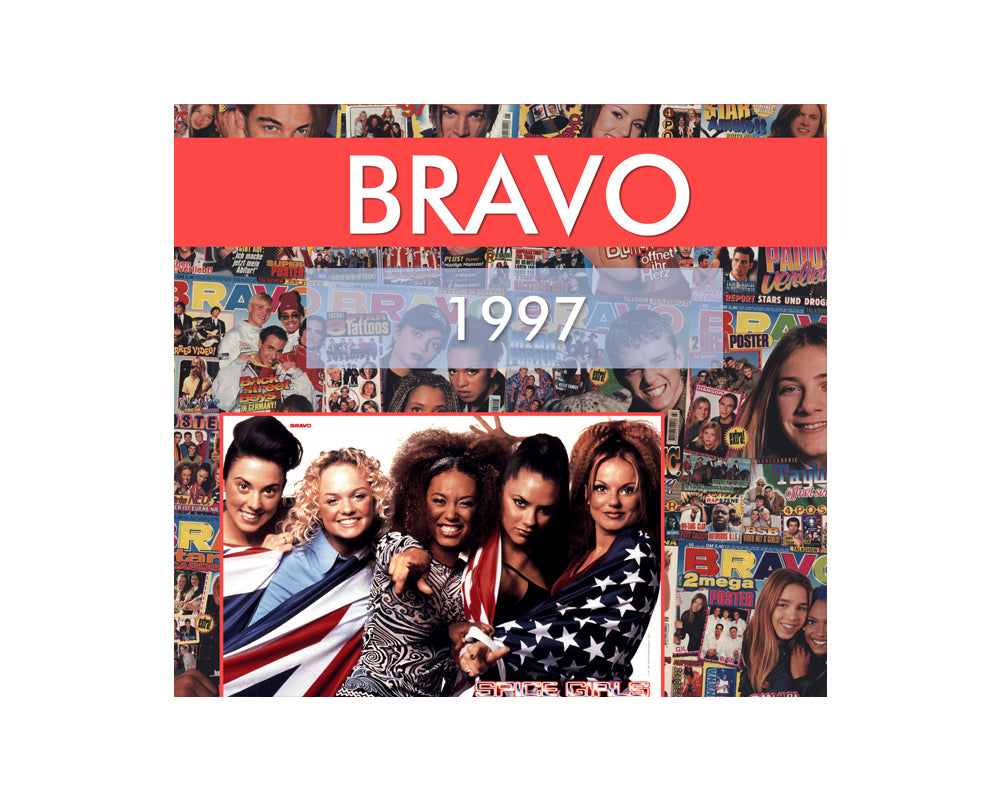
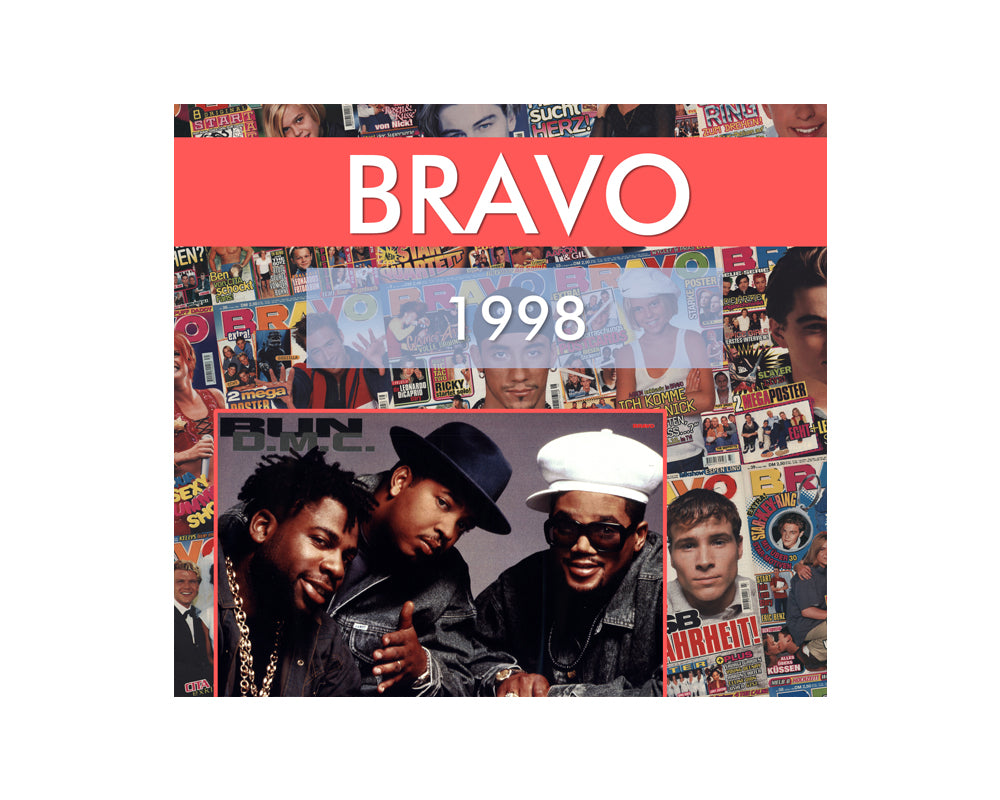
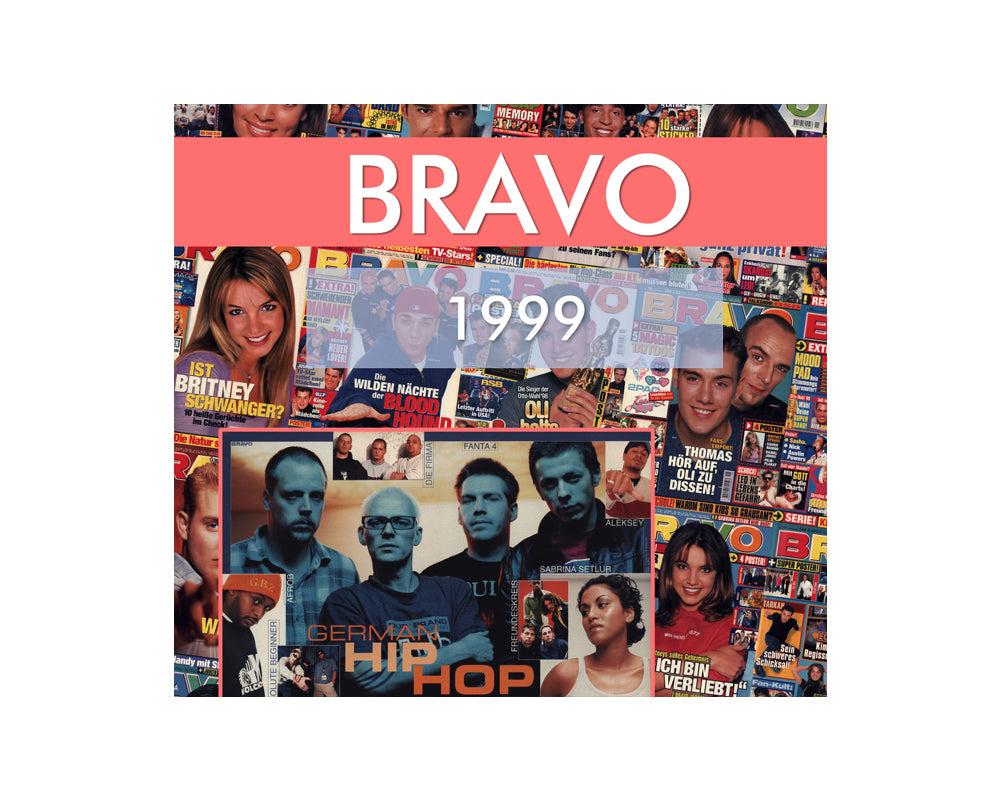
When you purchase 3 complete years you will automatically receive a 10% discount in your shopping cart


Little guy – very big
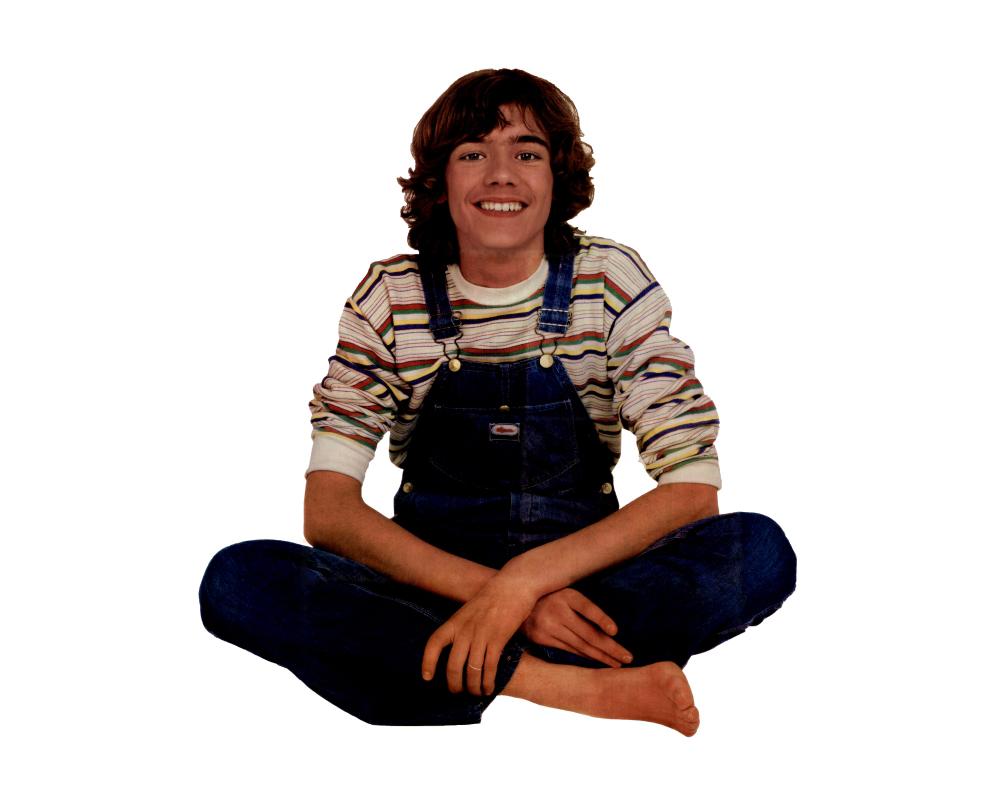
A yellow cap pushed back on his neck, overalls varying from blue to red to green, sleeves rolled up, a cleaning rag in one hand, the other on the lamp stand, a broad grin on his face – that's how Otto presented himself. His story begins almost contemporaneously with the founding of BRAVO in 1956. At that time, the BRAVO logo still stood for "Magazin für Film und Fernsehen" (Magazine for Film and Television), and Otto was, quite rightly, a lighting technician.

" Now I'm talking, " was the title of his column, in which he commented on events from the world of show business with a hearty Berlin accent. The character was initiated by the first editor-in-chief, Peter Boenisch ; he was created by a certain Mr. Winkler, a cartoonist who worked for Quick magazine, among others.
It was also Peter Boenisch who established the Starwahl (Star Vote) in 1957, little knowing that one day this award would become one of the most coveted entertainment prizes in the world. In the first OTTO award—the young prize was presented separately by gender and only in the film category—the winners received medals engraved with the little lighting technician. Perhaps the American equivalent of the Oscar was in mind when naming the award, and it was decided that the quintessentially German name "Otto" would be a fitting honor for a German film award.
The plaque remained as an award until the mid-1960s. The categories for TV actors and singers were added. The transformation of the medal into a trophy became apparent when BRAVO magazine felt the medal was too reminiscent of the Olympic Games. Furthermore, the American Oscar was also a figure, and German magazines also had their three-dimensional awards: the TV guide HÖRZU was planning to present it for the Golden Camera (first awarded in 1966), and Burda Publishing had been awarding its little fawn named BAMBI since 1948.
The BRAVO competition to create a new mascot was awarded to Hans Held , who worked for an animation company and had also designed Mecki , the hedgehog mascot for HÖRZU. Inspired by the then-raging Western craze, he created the little Native American with the boldly raised feather. A new star was born: Chief Bravo! The already established name, OTTO, for the award was retained. The Native American was first presented in 1966.
In BRAVO issue 02 from 1966, Otto the lighting technician with a Berlin accent personally announces the 'passing of the baton': "This time, the honest redskin wants to stand loyally by my side and—that's the highlight of the season!—for that, it will also be awarded to the winners of the OTTO election in gold, silver, and bronze. I'm convinced that every star would rather get the cute BRAVO Indian than a snatch of my ample body."
The newcomer to the trophy world is manufactured in the Allgäu region, is 30 cm high including the base, weighs 2500 grams and costs approximately 500 euros due to its real gold coating.
The secret of the award's success is still based on the fact that – apart from the platinum OTTO awards – the audience alone decides who wins or loses. It's not a jury, however composed, that decides on the stars based on editorial, cultural-political, ethical, or socio-esoteric criteria, but rather a multi-thousand-strong readership of BRAVO who votes with their hearts.  In the pre-digital era, voting was done using voting cards enclosed with BRAVO magazines; today, modern communication options and various social media channels are used to encourage online voting.