







When you purchase 3 complete years you will automatically receive a 10% discount in your shopping cart


Christian Anders –
The outsider with hit potential and claim to salvation
A portrait between pop music, spirit and scandal.
There are artists whose lives are so closely interwoven with their contradictions that they can never be fully grasped – Christian Anders is one of them. Born on January 15, 1945, in Bruck an der Mur, Austria, as Antonio Augusto Schinzel-Tenicolo , he spent his early childhood in Sardinia before coming to Germany at the age of ten. What initially appeared to be a conventional path in life – an apprenticeship as an electrician, a prospective engineering degree – ended in dissolution in favor of music, his true passion. Even before he was known on stage, he was touring European nightlife with American bands.
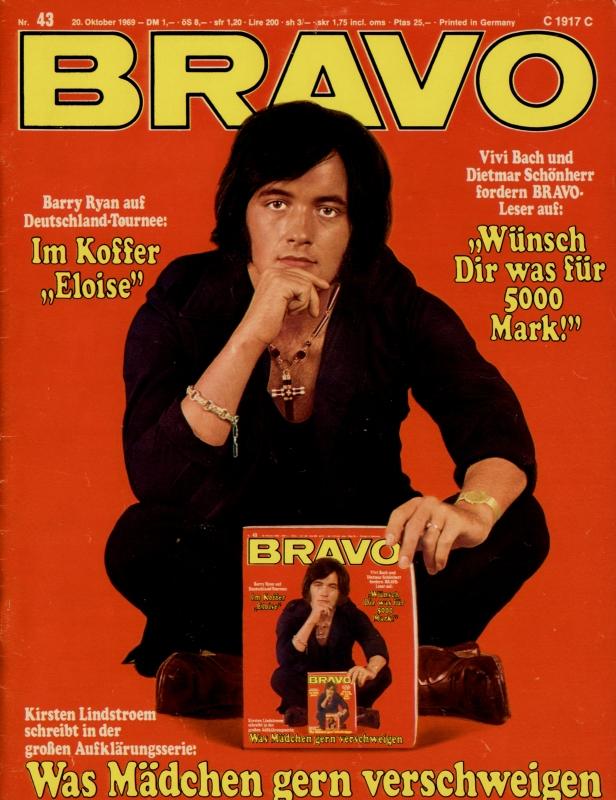
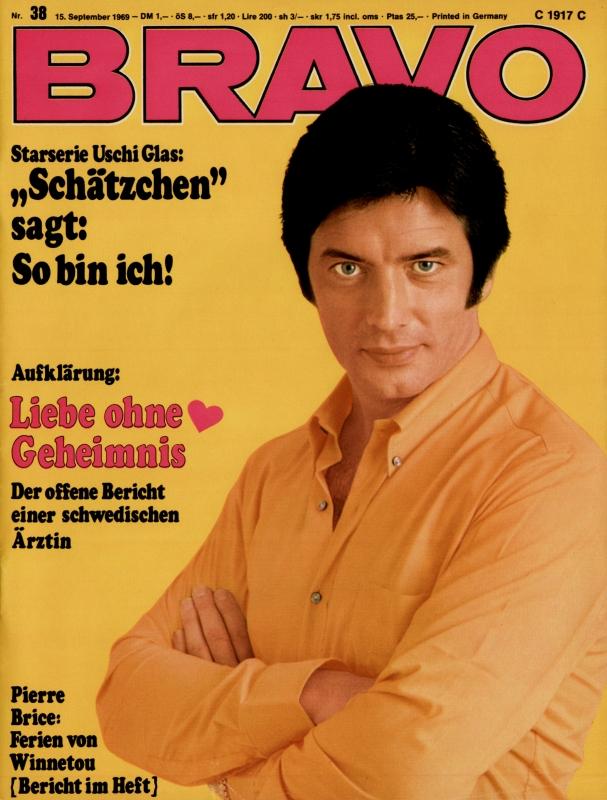
His first record contract followed in 1966 – and by 1969, he had a megahit with "Geh' nicht vorbei" (Don't Go Away) , which sold over a million copies. Anders' voice, plaintive yet clear, melancholic yet appealing to the masses, captured the spirit of the times. In the years that followed, hit after hit followed: "Nie mehr allein" (Never Alone Again), "Es fährt ein Zug nach Nirgendwo" (There's a Train Going to Nowhere) , "Einsamkeit hat viele Namen" (Loneliness Has Many Names) – songs that encapsulate bittersweet life concepts. Christian Anders became the voice of those who teetered between heartache and longing.

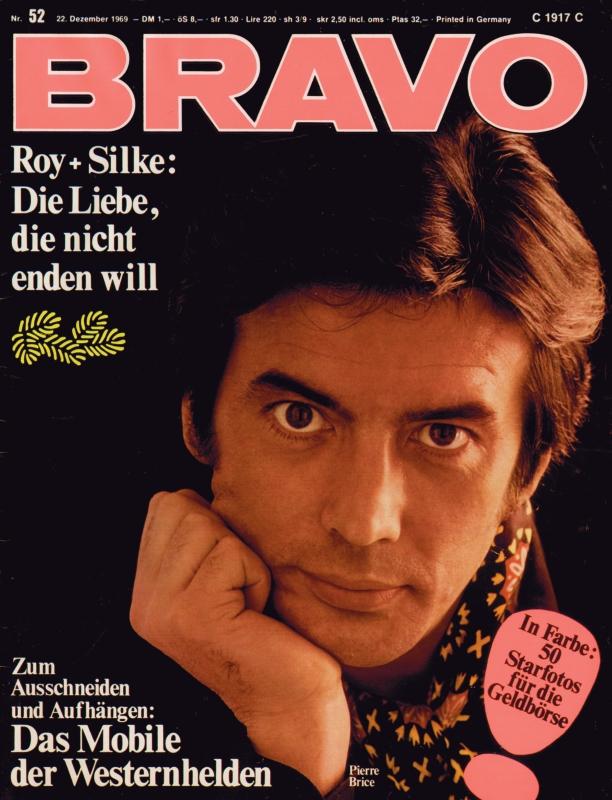
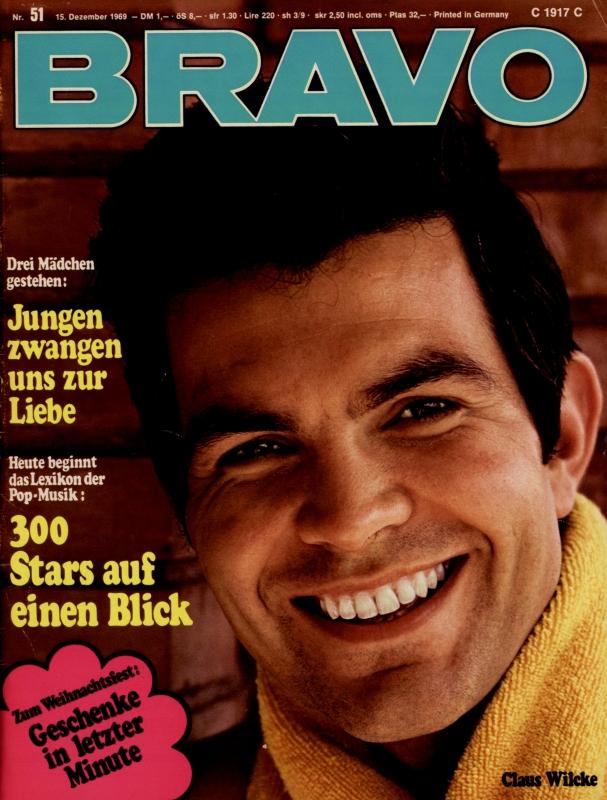
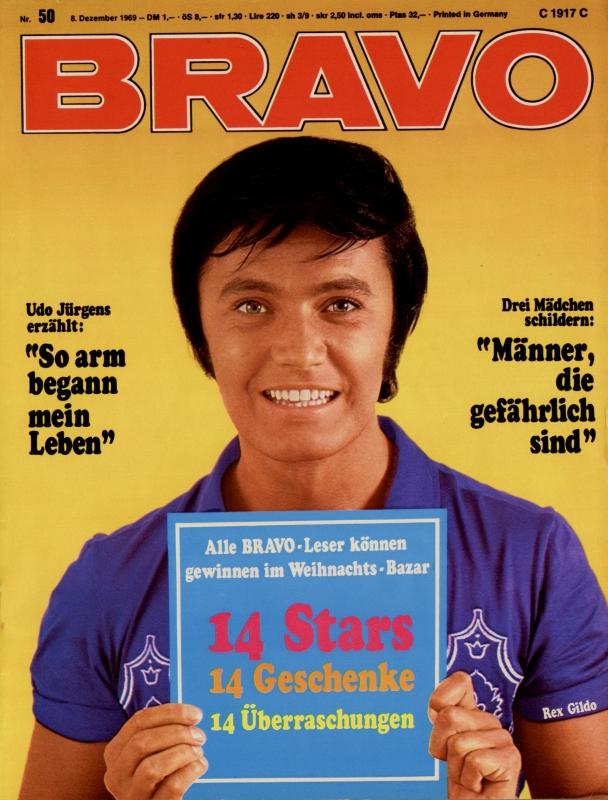
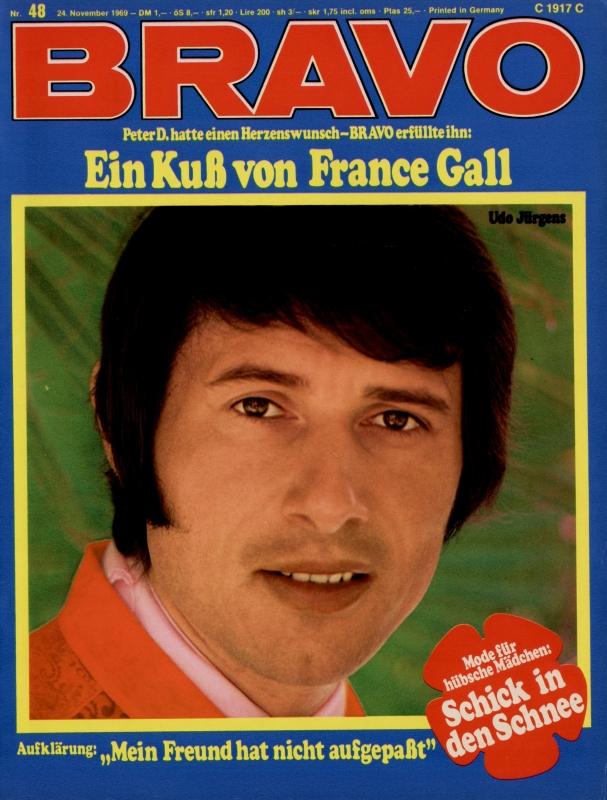
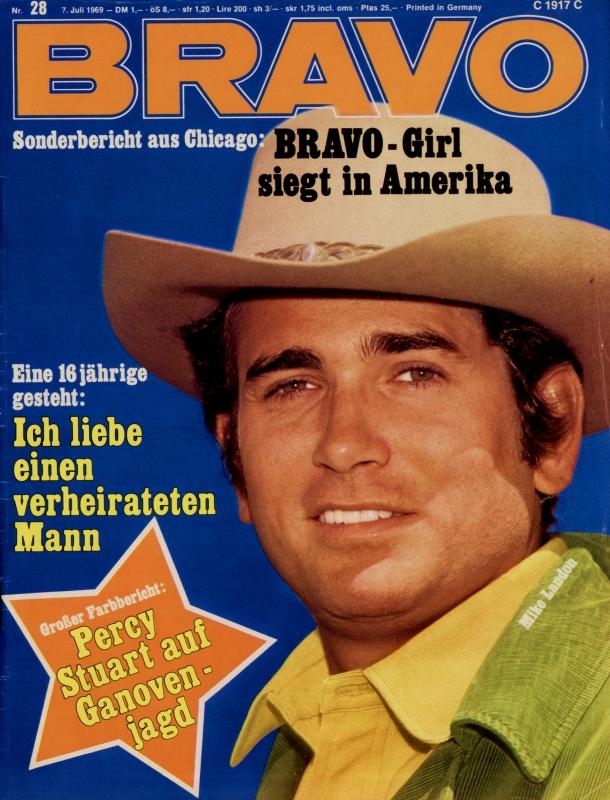
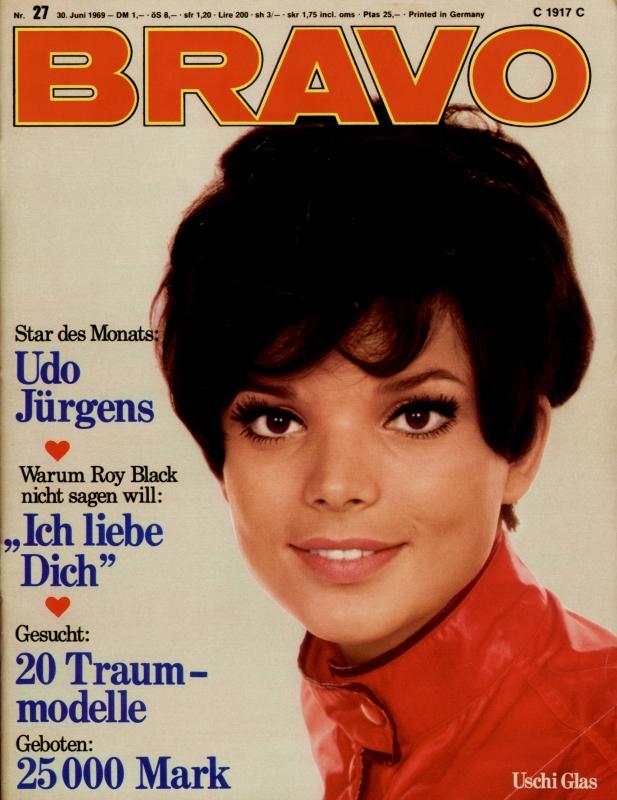
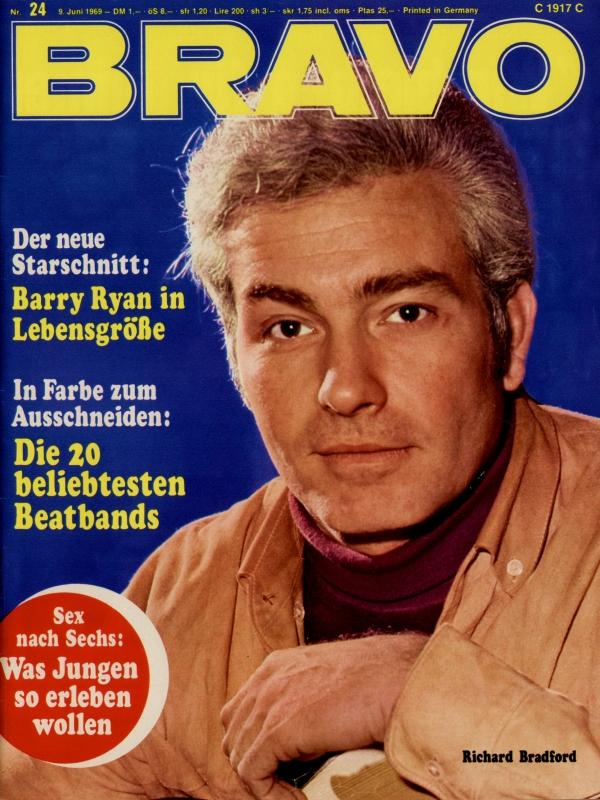
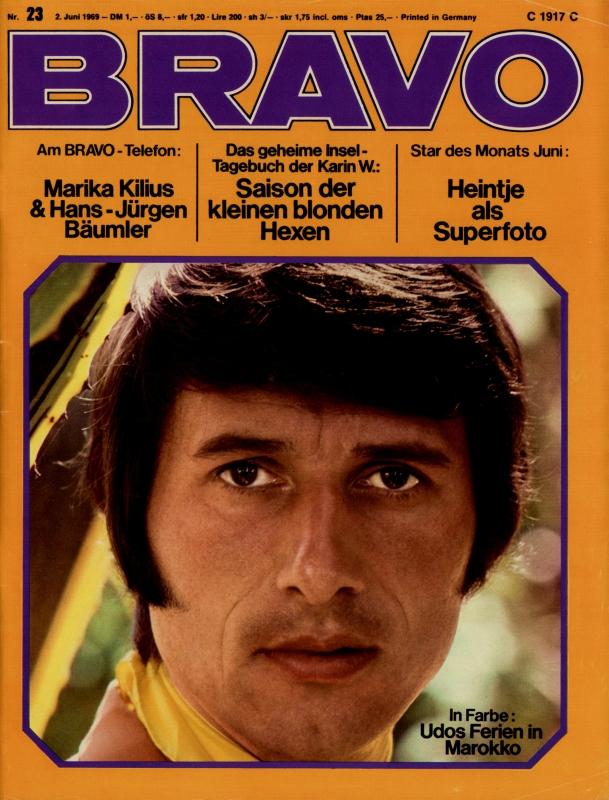
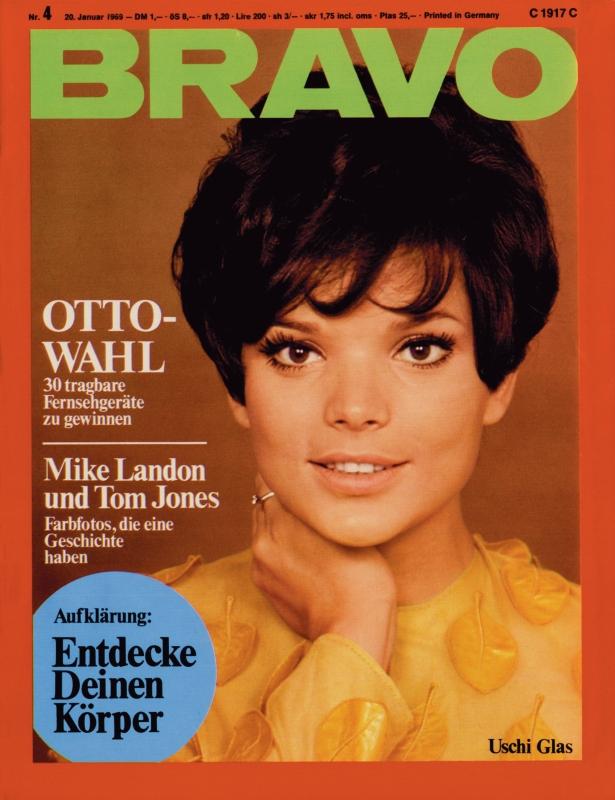
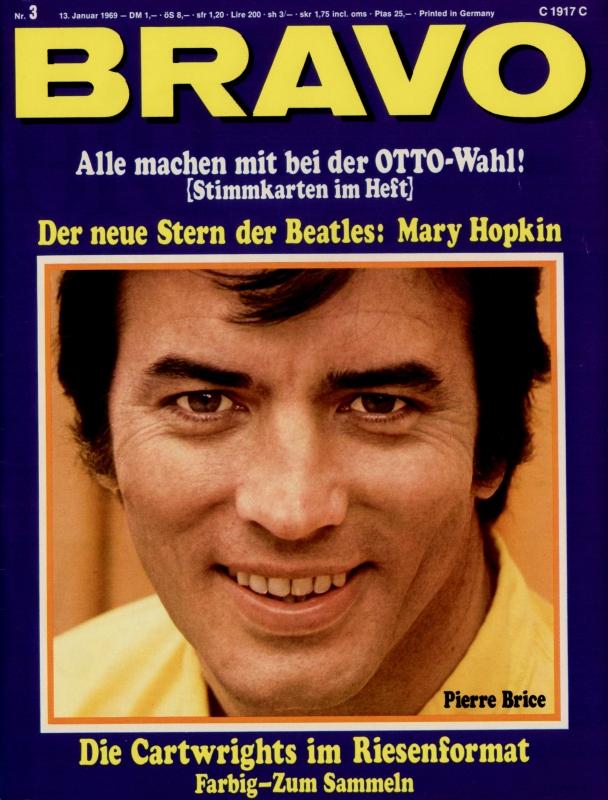
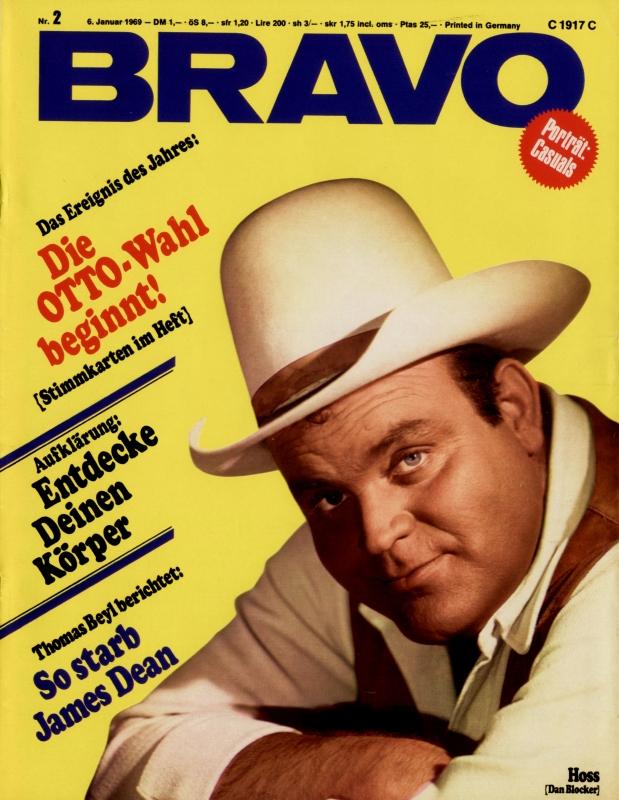
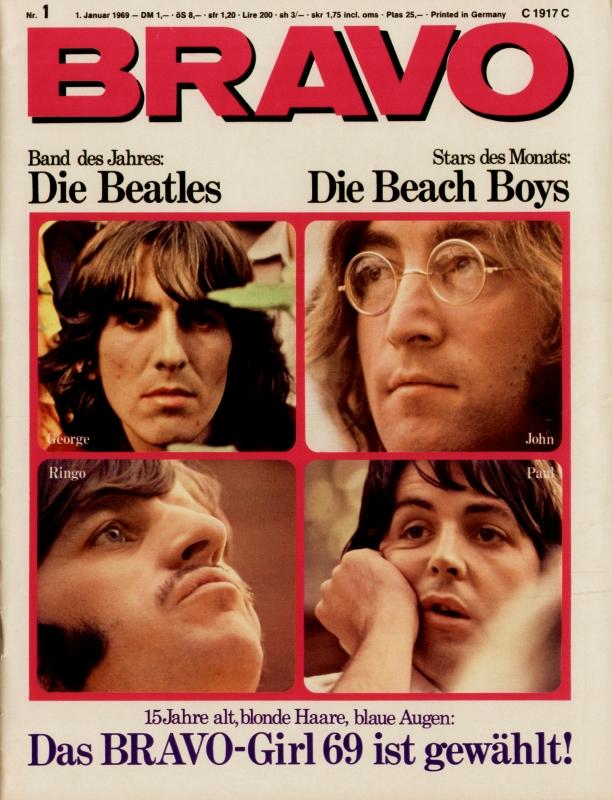
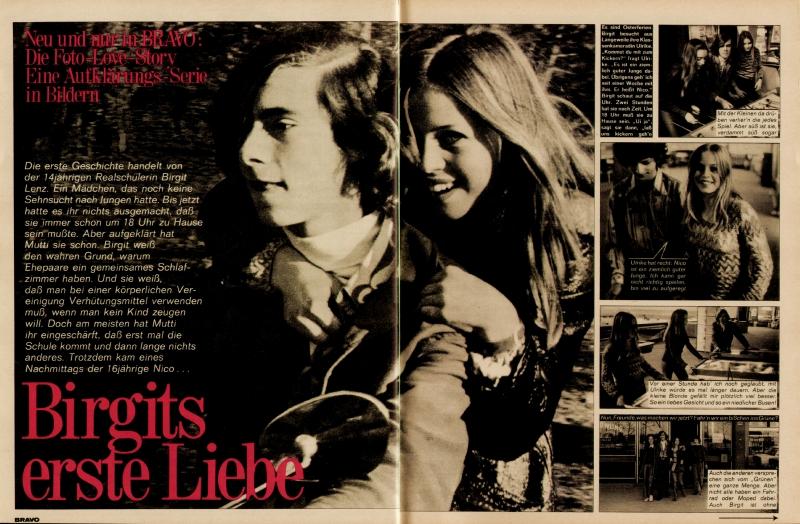
And yet he was never just a purveyor of pop songs. Anders also wrote books, such as the 1976 novel "The Letter," which was even serialized in the youth magazine BRAVO under the title "Explosion of a Love" —a blend of kitsch, drama, and existential questions. In film, however, his presence remained pale. Roles in shallow comedies like "When the Great Aunts Come" or "We'll Knock the Landlord Out" fizzled out without any relevance.
Christian Anders preferred grand gestures. He arrived for interviews in a fur coat and Rolls-Royce – and even happily left journalists standing there. For his penchant for self-promotion and his pronounced egocentrism, he was awarded the infamous "Golden Thistle" in 1974 – a derisive prize for "starry airs and taking oneself too seriously."
In the late 1980s, Anders left Germany for the United States. He returned in 1993, spiritually transformed, now under the name Lanoo , Sanskrit for "disciple." But instead of inner peace, he increasingly provoked others: He expressed conspiracy theories about AIDS, protested naked in front of a prison, and offered his fiancée to a millionaire. The line between rebellion and loss of touch with reality became blurred.
Christian Anders was never willing to bow to the mainstream—neither artistically nor personally. Whether one perceives him as a pop singer, spiritual guru, or enfant terrible remains a matter of perspective. What is undisputed, however, is that with his music, his books, his performances, and his scandals, he left his mark—sometimes profound, sometimes irritating, but always unmistakable.